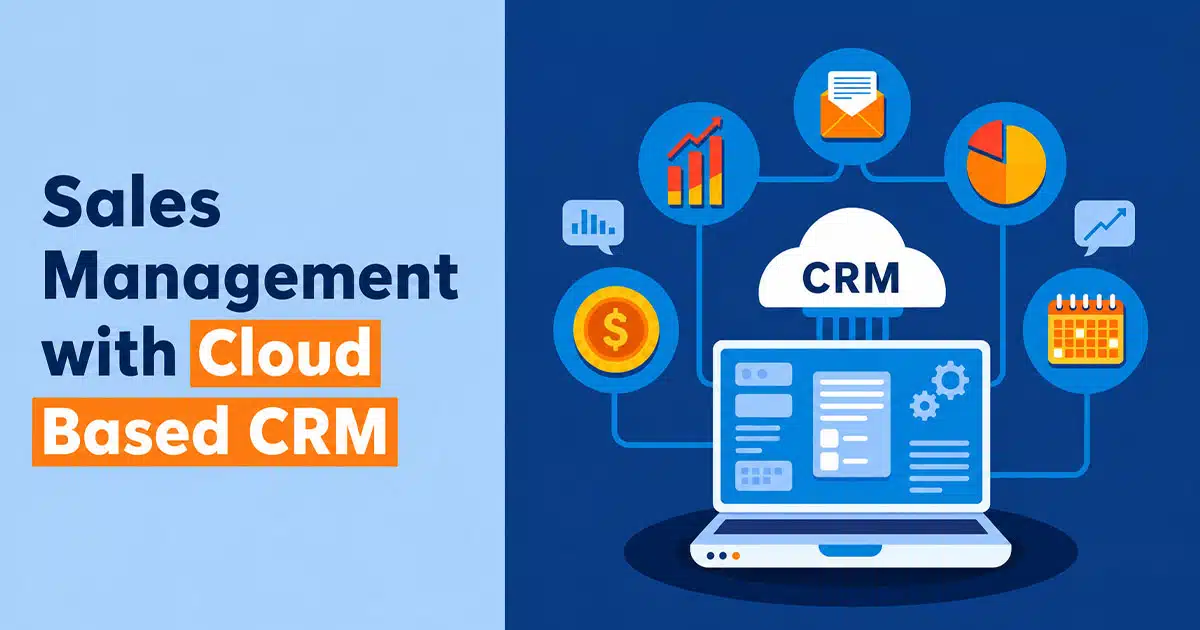
Sales teams now prefer cloud-based CRM, with 87% of businesses choosing these solutions over device-limited software. Companies clearly want tools their teams can use anywhere, anytime.
Cloud-based CRM systems provide remarkable advantages for sales management, regardless of business size. Teams see boosted productivity, higher profits, and better customer service with this software. On top of that, these solutions run on the provider's servers instead of yours. Your team stays organized without complex IT setups.
Remote work has pushed many organizations toward cloud-based CRM solutions. These systems offer more flexibility than traditional on-premise installations. Sales teams can manage customer relationships, track performance with up-to-the-minute data, and work together smoothly - they just need an internet connection.
This article covers everything about sales management with cloud-based CRM for 2026. You'll learn about key features, security measures, implementation strategies, and ways these systems help sales teams close more deals while creating tailored customer experiences.
What Is Sales Management With Cloud-Based CRM
Sales Management with Cloud-Based CRM connects sales teams, customer data, and sales processes inside one secure cloud crm platform. A cloud based crm works as a modern crm solution that helps businesses manage customer relationships, track customer interactions, and organize sensitive customer information without complex software installations. Sales reps access customer information, contact management, sales data, and the full history of accounts through mobile access and any internet connection, improving customer engagement and customer satisfaction.
Unlike traditional crm, modern cloud CRMS update automatically, integrate with existing software, accounting software, and other business tools, and apply robust security measures such as strict access controls, regular backups, and data security against emerging threats. This crm system supports sales automation, sales forecasting, reporting tools, and artificial intelligence, helping teams gain valuable insights, improve sales performance, streamline collaboration, and close deals faster. For small business and enterprise teams, this is just the beginning of cloud-based sales success.
Core Challenges In Traditional Sales Management
Traditional sales management often struggles to keep pace with modern buyer behavior, complex sales cycles, and data-driven expectations. Legacy systems, manual workflows, and disconnected teams reduce visibility, slow decisions, and limit sales performance across the entire sales pipeline.
No Real-Time Sales Data
Sales teams that rely on traditional CRM systems work with delayed sales data. Customer interactions, deal updates, and pipeline changes appear after hours or days. This gap prevents sales reps and managers from responding to opportunities at the right moment. Sales strategies depend on outdated customer information instead of real-time insights.
Without live access to customer data, sales forecasting becomes unreliable. Managers track performance based on past activity rather than current momentum. Market shifts, competitor actions, and buyer intent remain invisible, which directly affects close rates and revenue growth.
Manual Data Entry Overload
Traditional sales management depends heavily on manual data entry. Sales reps update spreadsheets, emails, and disconnected crm tools after calls and meetings. This process consumes valuable selling time and increases frustration across the team.
Manual workflows also introduce errors in customer records, contact management, and sales reports. Inaccurate data weakens sales forecasting and reporting tools. Instead of focusing on customer engagement and personalized interactions, sales teams spend hours maintaining systems that should support them.
Disconnected Customer Information
Customer information often lives across multiple systems in traditional crm environments. Emails, call notes, proposals, and support history remain scattered. Sales reps lack a full history of customer relationships, which limits personalized customer journeys.
This fragmentation causes inconsistent communication and poor customer satisfaction. One team may not know what another team promised. Sensitive customer data spreads across unsecured files, increasing data security risks and reducing trust in the crm system.
Slow And Inaccurate Forecasting
Sales forecasting in traditional sales management relies on manual reports and assumptions. Managers collect updates through meetings and spreadsheets, then consolidate numbers by hand. This approach delays decisions and weakens confidence in forecasts.
Inaccurate forecasting impacts resource planning, revenue targets, and leadership decisions. Without real-time sales data and automated reporting tools, teams react late to pipeline risks. Missed targets become common, even when demand exists.
Weak Team Collaboration
Traditional crm tools fail to streamline collaboration between sales, marketing, and customer success teams. Each department uses different software, metrics, and workflows. Sales reps switch between systems, which slows productivity and reduces focus.
This lack of alignment hurts customer engagement. Prospects receive mixed messages, and internal handoffs feel disjointed. Poor collaboration limits valuable insights that could improve sales performance and customer relationships.
Limited Mobility For Sales Reps
Many traditional crm systems lack proper mobile access. Sales reps in the field struggle to update customer data or review deal details without returning to the office. This delay causes missed follow-ups and weaker customer interactions.
Without cloud-based sales tools, teams lose flexibility. Modern sales require instant access through any internet connection. Traditional systems restrict responsiveness, which directly affects close deals and overall sales performance.
High IT And Maintenance Burden
Traditional crm platforms require constant support from the IT team. Software installations, updates, backups, and security measures demand time and budget. This overhead slows innovation and limits scalability for small businesses and enterprise teams.
As emerging threats increase, outdated systems struggle to protect sensitive customer information. Without robust security measures, strict access controls, and regular backups, businesses face higher risk and lower confidence in their crm experience.
Role Of Cloud-Based CRM In Modern Sales Teams
Sales teams today need the right tools that connect people, processes, and information. Cloud-based CRM plays a central role in this transformation and offers capabilities that traditional systems can't match. Let's look at how these powerful platforms reshape sales operations in organizations of all sizes.
Centralizing Customer Data
Cloud CRM solutions work as a central hub for all customer information and create what experts call a "single source of truth." This unified approach helps everyone in your organization access similar, current customer profiles.
This central approach offers several key benefits:
- Complete customer visibility - Cloud CRM platforms collect data from both internal sources and external applications. This removes information silos that used to keep valuable insights hidden
- Immediate updates - The system refreshes automatically as team members talk to customers. This ensures everyone works with current information
- Complete view - All touchpoints appear in order from first contact through ongoing service. This gives sales teams valuable context for every interaction
These changes deeply affect sales management. Teams no longer waste time searching through scattered systems or spreadsheets. Cloud-based CRM combines everything from contact details to purchase history in one available location. Sales professionals can focus on building relationships instead of doing administrative work.
Enabling Remote Sales Operations
Knowing how to work from anywhere has become essential rather than optional. Cloud-based CRM solutions excel here by providing what experts call "around-the-clock accessibility".
Sales teams gain these vital benefits from remote access:
- Location flexibility - Sales representatives can view prospect details, update records, or send proposals from any location - office, home, or client meetings
- Device independence - Team members access similar information through web browsers or dedicated mobile apps on laptops, smartphones, or tablets
- Offline capabilities - Advanced cloud CRMs work offline and sync automatically when the connection returns. This prevents service disruptions even with poor internet
Field representatives benefit most from this flexibility. They can create opportunities, update contacts, and track activities despite unreliable networks or while traveling. The cloud infrastructure handles software updates and security patches without IT help.
Improving Cross-Department Visibility
Cloud-based CRM breaks down traditional barriers between departments. This cross-functional transparency creates what many call "governed collaboration".
The practical benefits include:
- Continuous information flow - Data moves freely between teams. Marketing insights shape sales approaches, and customer service experiences guide future marketing
- Simplified processes - Cloud CRM blends with communication tools like Slack and productivity suites to create unified work environments
- Immediate coordination - The platform updates instantly. Sales teams see leads as soon as marketing qualifies them
This visibility boosts sales performance directly. Marketing campaign leads appear instantly in the sales pipeline with full interaction history and engagement scores. Sales representatives get complete intelligence before making contact. This leads to individual-specific conversations and higher conversion rates.
Organizations that connect teams through cloud-based CRM eliminate gaps that used to hurt customer experiences and slow down sales cycles. Everyone works toward common goals with shared insights, creating a unified approach.
Key Features Of Cloud-Based CRM For Sales Management
Cloud-based CRM platforms equip sales teams with powerful tools to manage customer relationships, streamline sales processes, and improve sales performance. These essential features combine automation, real-time insights, and secure access to help modern businesses stay organized and competitive.
Contact And Lead Control
A cloud based crm centralizes customer information, allowing businesses to manage relationships from one crm platform. Sales reps access full customer history, previous customer interactions, and contact management details without switching systems. This unified view supports personalized interactions and stronger customer engagement.
Lead management features help sales teams track prospects across every stage of the sales pipeline. Automated lead assignment, follow-up alerts, and engagement tracking remove guesswork. Sales strategies improve because teams focus on qualified leads that show real intent.
Sales Pipeline Visibility
Clear sales pipeline visibility remains a core benefit of modern cloud crms. Each deal moves through defined stages, making sales processes easy to track and analyze. Sales managers review sales data by rep, region, or product with real-time insights.
This transparency allows teams to identify stalled deals early and adjust sales strategies quickly. Accurate pipeline views also improve sales forecasting and resource planning, which supports more sales and predictable growth.
Sales Automation Tools
Sales automation reduces manual work across daily tasks. Cloud crm software automates follow-ups, task reminders, and deal updates. Sales reps spend less time on data entry and more time on customer conversations. That's why sales task automation is important.
Automated workflows improve consistency across the team. Every lead receives timely responses, and no opportunity slips through the gaps. These crm tools directly support improved collaboration and higher sales performance.
AI-Driven Sales Insights
Artificial intelligence enhances the crm experience by analyzing sales data and customer behavior patterns. Cloud based crm systems highlight deals that need attention and recommend next steps for sales reps.
AI-powered insights also support personalized customer journeys. Suggested actions, message timing, and engagement cues help teams close deals faster while maintaining strong customer relationships.
Mobile Access And Dashboards
Mobile access allows sales teams to manage customer relationships from anywhere with an internet connection. Sales reps update customer information, review notes, and track performance during meetings or travel.
Custom dashboards display valuable insights at a glance. Reporting tools show progress, sales forecasting data, and pipeline health in real time, helping teams stay aligned and focused.
Secure Data Management
Data security remains critical for any good cloud crm. Modern platforms protect sensitive customer data with robust security measures such as strict access controls, encryption, and regular backups.
These security measures reduce risk from emerging threats and support compliance standards. Businesses trust cloud-based sales systems to protect sensitive customer information without burdening the IT team.
Business Tool Integration
Cloud crm platforms connect seamlessly with existing software, accounting software, knowledge base systems, and other business tools. This integration creates a single source of truth for customer data.
Teams avoid duplicate entries and disconnected workflows. Unified systems streamline collaboration, deliver valuable insights, and allow businesses to scale faster while staying ahead in competitive markets.
Benefits Of Sales Management With Cloud-Based CRM
Cloud-based CRM systems bring quick wins and lasting benefits to sales teams of any size. Let's get into the four most meaningful benefits that make these solutions a must-have for growth-focused businesses.
Lower IT And Infrastructure Costs
Cloud CRM solutions cut down technology costs significantly. You won't need to buy hardware, host servers, handle security protocols, or maintain the system in-house. These changes lead to lower upfront costs and reduced running expenses.
Small businesses see the financial gains even more clearly since they couldn't afford good sales management tools before. Your budget goes further when you don't have to maintain complex tech systems. Cloud-based CRM runs on a simple subscription model, which makes costs easier to manage as you grow.
Your IT team wins too. They can focus on strategy instead of constant system upkeep. The software updates itself through your provider, which means less downtime and better efficiency.
Faster Decision-Making With Live Data
Live access to customer information changes the game for sales teams. Cloud CRM updates your data instantly across the platform. Teams can make quick, smart decisions based on current facts rather than old reports.
This quick access creates several advantages:
- Sales reps can see their performance metrics live and adjust their approach right away
- Managers don't wait for period-end reports to check team progress
- Field teams pull up full customer histories during meetings on their phones
- Everyone works with the same up-to-date information, which ends data conflicts
What's the result? Your team spots chances faster and fixes issues early. This quick response keeps your sales pipeline moving smoothly.
Improved Customer Retention
A striking 88% of customers now rate company experience as important as products or services. Cloud-based CRM lifts this experience by giving your team a clear view of each customer relationship.
Your team can build loyalty by tracking customer priorities, what they buy, and past conversations. Sales reps can reach out to customers with relevant offers and updates that show they understand specific needs.
Smart use of customer data helps catch early signs that customers might leave. Your team can step in before customers think about switching. These features help keep customers longer and increase their lifetime value. It helps you to grow the number of customer retention.
Increased Team Efficiency
Cloud CRM solutions change how teams work together completely. A single platform where everyone sees the same information removes communication gaps that usually slow down sales.
Teams using shared CRM tools work better together - they see 47% more efficiency and save up to 97 minutes each week. By connecting with workplace tools like Slack, your sales team stays in touch no matter where they work.
Clear information flow breaks down walls between departments. Sales, marketing, and customer service work better together. Everyone adds to and uses the shared knowledge, creating a united approach to customer relationships that drives better results.
How Cloud-Based CRM Improves Sales Pipeline Visibility
Sales management success depends on clear pipeline visibility. Cloud-based CRM systems excel at showing the complete picture. A reliable cloud CRM shows the exact status of deals and gives teams vital information to close more sales.
Visualizing Each Stage Of The Pipeline
Cloud CRM solutions show your entire sales funnel through clear visual representations. Most platforms come with kanban-style dashboards that turn complex sales data into simple visual elements. These visual pipelines work like roadmaps and plot each milestone as buyers move from their first interest toward final purchase.
The true power lies in bringing your sales process alive. Teams can adjust their views based on unique sales processes, and deals move smoothly through different stages. This visual method helps sales teams keep their momentum and stay alert to promising chances.
Tracking Lead Progress In Real Time
Traditional sales reports are history now. Cloud-based CRM systems show sales activity instantly, which helps teams follow up at the right time to win deals.
These systems blend deal stages with activities and tasks to speed up lead conversion. Your team sees the complete communication history with every lead, which leads to better conversations that target specific pain points.
This up-to-the-minute tracking catches every sales opportunity. A marketing agency switched to cloud CRM with lead tracking features. Their visual sales pipeline helped them focus on the right deals, while behavior patterns led to customized pitches that boosted conversions.
Identifying Bottlenecks Early
Cloud-based pipeline visibility helps spot issues before they hurt your revenue. Built-in reports and dashboards give quick insights into your sales cycle and show exactly where deals get stuck.
A review of cloud CRM data reveals whether sales reps report too much or too little in their pipeline. Managers can use this clear view to:
- Review individual and team progress
- Spot areas that need quick attention
- Make evidence-based decisions faster
- Use resources more wisely
Deals often freeze within organizations without proper visibility. A pricing approval waits in finance, legal takes too long, or executive approval misses deadlines. Cloud-based CRM finds these internal roadblocks that older systems miss, which keeps forecasts accurate and deals moving smoothly.
How Cloud CRM Makes Sales Teams More Productive
Sales teams consider time their most valuable asset. Cloud CRM systems have become reliable allies that help sales professionals focus on what matters most, building relationships and closing deals.
Reducing Time Spent On Admin Tasks
Sales representatives spend up to 2 hours and 15 minutes per day on data entry and administrative tasks. This valuable time gets lost to paperwork instead of building customer relationships. Cloud CRM significantly reduces this administrative load through:
- The system automatically captures emails, events, and customer interactions
- A central data storage eliminates the need to search across multiple platforms
- Optimized data entry reduces manual processes
The numbers tell a compelling story, companies using cloud-based CRM solutions see an 80% reduction in errors and a 77% boost in efficiency. Small businesses save 15-20 hours weekly on administrative tasks after implementing cloud CRM. This adds up to nearly 1,000 hours annually that teams can spend serving customers instead of managing spreadsheets.
Automating Follow-Ups And Reminders
Most sales need at least five follow-ups to close, but representatives often give up after one or two attempts. This is where automation makes a difference. Cloud CRM systems create:
- Automatic reminders and seasonal greetings based on timing
- Triggers that activate when leads hit important milestones
- Individual-specific follow-up sequences that feel personal
The automated systems ensure every lead gets attention. Teams using automated follow-ups see 10-25% higher email reply rates. AI-powered systems can also identify the most promising leads based on customer profiles that generate the most revenue.
Enabling Smarter Workflows
Cloud-based CRM turns routine sales processes into intelligent workflows that adapt to team needs. These systems offer:
- Easy-to-customize sales processes with drag-and-drop features
- Automated workflows that connect sales, inventory, and finance systems
- AI-assisted lead scoring that identifies potential risks in deal closures
The data shows 82% of sales professionals now use AI to boost their productivity. The system reviews workflow performance through detailed reports and helps teams improve processes based on conversion rates and completion metrics. This analytical approach lets sales representatives make quick, informed decisions while managing their time better.
Data Security And Scalability In Cloud-Based CRM
Businesses often worry about security at the time they think over moving to cloud-based CRM systems. Modern cloud CRM solutions provide stronger protection than what many companies could implement themselves.
Built-In Encryption And Compliance
Every CRM system handling sensitive customer data needs security. Cloud CRM protects your information with advanced data encryption in datacenters and during transmission between devices. This two-layer protection will give a secure environment for your customer information, even if unauthorized parties intercept it.
Trusted cloud CRM providers use resilient security measures with 256-bit encryption, the same level used by financial institutions. These systems help you comply with major frameworks like GDPR, HIPAA, and CCPA through automated audits and policy enforcement features.
Automatic Backups And Recovery
Cloud-based CRM's greatest advantage lies in its worry-free data protection through automatic backups. The system backs up data regularly up to four times each day without manual work.
We backed up data to protect against service outages, ransomware attacks, and user errors. Cloud CRM lets you restore specific records instead of entire databases if disaster strikes. Your sales team can get back to work fast with this targeted approach that reduces downtime.
Scaling Users And Features As You Grow
Cloud CRM grows with your business, unlike traditional systems with fixed capacity. Your team can add or remove users without buying new hardware as it changes size. You only pay for what you need with this flexibility.
Cloud-based CRM lets you add new features as your needs change, beyond just adding users. Small businesses experiencing rapid growth find this adaptability valuable. They need sales management tools that keep up without large new investments.
Best Practices To Implement Cloud-Based CRM For Sales Success
A cloud-based CRM needs more than just the right software. You need a strategy that your team will embrace and that delivers results. Companies that succeed with CRM follow specific practices to get the most from their investment.
Define Clear Sales Goals And Metrics
Your CRM journey should start with a clear purpose. Write down your CRM vision in one or two sentences. This will guide your entire project. Set goals that work across different departments:
- Executives need to spot valuable accounts and boost new sales opportunities
- Managers want to understand lost deals and improve win rates
- Team members look to cut down admin time and make data entry easier
These goals will guide your team and help you track progress.
Train Teams On CRM Usage
Good CRM training makes a huge difference in how well teams adopt the system. Many companies fail because they dump too much information on their teams at once without enough practice time. Sales teams already spend 64% of their time on tasks that don't generate revenue.
Here's how to make training work better:
- Create custom training for what each team actually needs
- Give teams a safe space to practice and learn from mistakes
- Break down instructions into simple steps with visual guides
Integrate With Existing Tools
Most businesses have connected only 28% of their apps. This creates information gaps that slow down digital progress. Your cloud CRM will work better when it connects to your email, accounting, and marketing tools.
Always back up your data before connecting systems and check if they work together. Plan what information needs to move between systems and how often updates should happen.
Monitor And Optimize Regularly
A cloud CRM needs constant attention to stay useful. Check how well it's meeting your 6-month-old goals. Set clear usage guidelines and show teams how the CRM makes their work easier.
Make CRM part of your regular team coaching. Look at important numbers like how many leads become customers. Use this data to make your processes better. This ongoing care helps your CRM grow with your business.
How Gain.io Supports Sales Management With Cloud-Based CRM
Gain.io delivers a modern cloud based crm built for sales management clarity and speed. The crm platform centralizes customer data, contact management, and sales pipeline activity, allowing businesses to manage customer relationships with confidence. Sales teams access real-time insights, full customer history, and customer interactions from any internet connection, which improves customer engagement and sales performance.
Gain.io combines sales automation, reporting tools, and sales forecasting inside one crm system. Automated follow-ups, visual pipelines, and mobile access help sales reps stay organized and close deals faster. Robust security measures, strict access controls, and regular backups protect sensitive customer information while updates automatically reduce the IT team's workload. This cloud-based sales solution helps small businesses and enterprise teams gain valuable insights, streamline collaboration, and stay ahead with personalized customer journeys.
FAQs
What Types Of Businesses Benefit Most From Sales Management With Cloud-Based CRM?
Sales management with cloud based crm works well for small businesses, mid-market, and enterprise teams. Any business that manages customer relationships, sales data, and customer interactions across teams gains value from a cloud crm solution.
How Long Does It Take To Start Using A Cloud-Based CRM Effectively?
Most cloud based crm platforms allow setup within days. Sales teams see value quickly because crm software updates automatically, offers mobile access, and integrates with existing software without complex software installations.
Can Cloud CRM Handle Sensitive Customer Information Securely?
Yes, a good cloud crm applies robust security measures such as strict access controls, encryption, and regular backups. These features protect sensitive customer data and reduce risk from emerging threats.
How Does Cloud-Based CRM Support Sales Forecasting Accuracy?
Cloud based crm systems use real-time insights and sales automation to improve sales forecasting. Updated sales data and reporting tools help managers track performance and make informed decisions.
Does Cloud CRM Work With Other Business Tools?
Modern cloud CRMS integrates smoothly with accounting software, knowledge base platforms, and other business tools. This integration helps streamline collaboration and keeps customer information consistent across systems.
What Makes Cloud-Based CRM Better Than Traditional CRM For Remote Teams?
Cloud-based sales platforms allow sales reps to manage relationships from any internet connection. Mobile access and centralized crm tools support remote work without dependence on the IT team.
How Does Cloud CRM Help Increase Customer Satisfaction?
A cloud crm provides a full history of customer interactions and personalized customer journeys. Sales teams gain valuable insights that improve customer engagement, build trust, and help close deals faster.