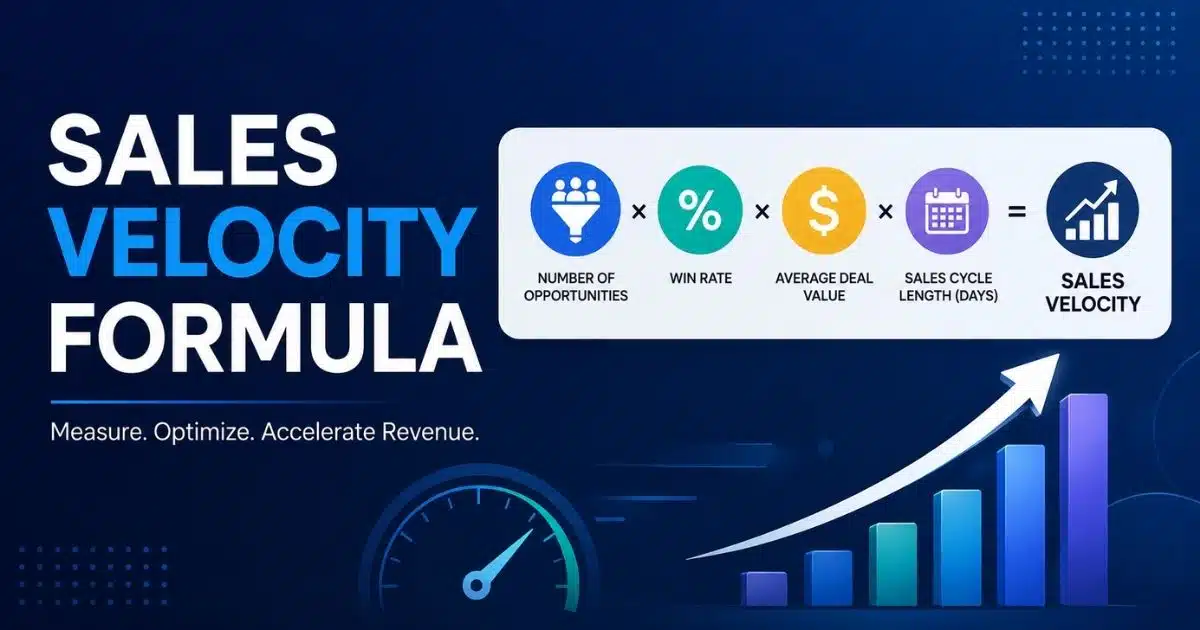
Small inefficiencies cost sales teams countless valuable hours. Smart sales leaders know they can double their results without hiring more people by eliminating these productivity drains. Your sales reps might waste ten minutes searching for the right file before each call. The lost selling time adds up to several hours daily when multiplied across your team.
Success in sales productivity requires working smarter, not harder. The best organizations have shifted 50% of non-selling tasks away from their teams. They aggressively automate their sales processes, which creates 20% more capacity. Real results come from this sales optimization strategy. Companies that clearly define excellence for their sales roles see 8% higher revenue attainment and 17% better win rates. Leading businesses have achieved something even more remarkable - their revenue per sales representative has jumped 3-15% through advanced technology investment and focused engagement with high-value accounts.
In this article, we will show you proven strategies to streamline your sales process and remove productivity roadblocks. You'll learn how to double your sales success without adding new team members. The competitive digital world demands smarter solutions than just adding headcount. Your current sales force's untapped potential often yields better results at a fraction of the cost.
How Businesses Double Sales Without Hiring More People
High-leverage sales teams achieve growth through focus and structure, not by adding more salespeople. Instead of expanding the sales force, they refine the sales process, clarify each sales role, and remove friction that slows sales reps. This strategy helps sales organizations grow revenue, close deals faster, and meet client needs without increasing headcount or extending the hiring process.
Automation That Frees Sales Time
Top-performing sales teams reduce low-value work that distracts sales reps from selling. Manual CRM updates, follow-ups, scheduling, and document handling consume hours every week. Sales automation shifts this burden away from sales professionals and protects focus.
With more time for prospects and customers, sales pipelines stay active, and deals move forward faster. Salespeople build stronger relationships, understand client needs more clearly, and improve close rates. This creates sales success without hiring more salespeople or increasing costs.
Structured And Repeatable Sales Process
Successful sales organizations rely on a clear, documented sales process that every sales rep follows. From lead qualification to closing deals, each step includes defined actions and exit criteria. This removes guesswork and supports consistent performance across the team.
Repeatable processes help management spot issues early through data, not guesswork. Founder-led sales transitions into scalable execution, new reps ramp faster, and the sales force operates with shared direction instead of individual habits.
Continuous Training And Skill Development
High-performing teams view training as an ongoing investment, not a one-time job. Regular coaching improves selling skills, confidence, and adaptability across the sales team.
This approach keeps top performers engaged while raising overall ability. Sales professionals communicate value more effectively, handle objections with clarity, and build trust with clients. Continuous development delivers better results than constant hiring and reduces long-term costs.
Focus On The Right Prospects
Efficient sales or engineering teams protect time by targeting the right prospects. Clear qualification rules prevent sales person from chasing low-fit opportunities. Strong alignment between marketing and sales ensures potential customers match the company's solution.
This discipline improves pipeline quality and close rates. Sales people focus on deals with real revenue potential, not guesses. Healthy competition grows because effort connects directly to success, money earned, and measurable growth.
Strong Leadership And Data Discipline
Effective sales leaders rely on accurate data to guide strategy. Dashboards track pipeline health, deal progress, and rep performance across the sales organization.
Clear sales visibility helps management coach effectively and set realistic goals. Sales reps understand expectations, priorities stay clear, and obstacles get removed quickly. This environment supports sustainable growth and helps businesses double sales without hiring more people or stretching existing resources.
When A CEO Must Shift From Founder Led Sales To Scalable Systems
Founder led sales works well in the early stage of a SaaS company, but clear signs appear when it starts to limit growth. Deals depend too heavily on the CEO, pipeline visibility stays weak, and sales reps wait for approvals instead of closing deals independently. This creates risk for revenue, investors, and the future of the business.
The correct move comes when the sales process needs consistency, not heroics. A CEO should step back from daily selling once sales reps can follow documented steps, handle objections confidently, and meet client needs without constant guidance. At this point, systems, data, and management replace intuition. This shift allows the sales organization to scale, build trust with customers, and double sales without hiring more people.
Why Sales Efficiency Is More Important Than Headcount
Sales growth rarely depends on team size alone. Strong sales organizations prioritize efficiency, clarity, and focus across the sales process. When sales reps spend more time with prospects and customers, revenue rises without pressure to hire more sales people or expand the sales force.
Hidden Time Loss Inside Sales Teams
Sales reps lose a large share of their workday to tasks unrelated to selling. CRM updates, internal reporting, document preparation, and approval workflows consume valuable hours. These activities feel necessary, yet they generate no direct revenue for the company.
When sales professionals stay busy but disconnected from prospects, pipelines slow down. Sales leaders often misread this as a capacity problem and rush into the hiring process. In reality, better time control inside the sales role unlocks immediate revenue growth without adding headcount.
Administrative Work That Blocks Revenue
Administrative overload quietly limits sales success. Sales reps handle contracts, proposals, data cleanup, and internal follow-ups that drain energy and focus. These responsibilities reduce time for conversations that build trust and uncover client needs.
High-performing sales teams remove these obstacles through smarter systems. Automation and shared resources shift admin work away from sales people. This change improves focus, strengthens relationships, and increases deal flow across the entire sales organization.
Context Switching And Lost Focus
Frequent task switching damages productivity more than most leaders expect. Sales professionals jump between emails, meetings, CRM tools, and messaging apps throughout the week. Each switch forces the brain to reset priorities and rules.
This mental disruption weakens selling performance. Sales reps struggle to stay present during calls, miss buying signals, and lose momentum on deals. Reduced focus leads to slower pipelines and weaker close rates, even when effort levels remain high.
Revenue Per Rep As A Core Metric
Revenue per rep shows how efficiently a sales force converts effort into money. Strong efficiency improves this metric faster than adding more sales people. A small gain in productive selling time often equals the output of an additional hire.
Sales leaders who track this metric gain clearer insight into performance gaps. Better data supports correct decisions around process improvement, training, and investments. The result shows up as steady revenue growth without higher payroll costs.
Automation That Expands Sales Capacity
Automation tools handle repetitive tasks across the sales process. Lead scoring, follow-ups, scheduling, and data entry shift away from manual effort. Sales reps regain time for conversations that move deals forward.
This change supports faster deal cycles and healthier pipelines. Sales professionals focus on prospects with real intent instead of chasing every lead. Automation acts as a force multiplier, not a replacement for skill or relationships.
Efficiency As A Scalable Growth Strategy
Efficient sales teams scale through structure, not stress. Clear roles, consistent processes, and strong data discipline support long-term success. The founder led sales transitions smoothly into team-led execution without chaos.
This strategy protects morale and strengthens performance. Sales people feel supported, leadership gains visibility, and customers receive better experiences. Companies that prioritize efficiency double sales without hiring more people and build a stronger future for the business.
Top Performers Vs System-Driven Teams
Top performers often carry a sales organization in the early stages. They close deals fast, rely on instinct, and build strong relationships. However, their success rarely scales. When revenue depends on a few sales people, growth becomes fragile and unpredictable.
System-driven teams spread success across the entire sales force. Clear sales processes, defined sales roles, and shared data allow average reps to perform closer to top performers. This reduces dependency on individual talent and protects revenue when people leave, change roles, or burn out.
Relying on hero salespeople limits growth. Building systems lifts the entire team. Sales reps follow proven steps, managers coach with clarity, and leadership gains predictable pipeline control. This shift creates steady revenue growth without hiring more sales people or increasing risk.
Hidden Sales Bottlenecks That Limit Revenue Growth
Many sales teams miss revenue targets due to bottlenecks buried inside daily workflows. These issues hide across tools, training, and communication. Removing them helps sales organizations grow revenue, close deals faster, and double sales without hiring more people.
Unclear Sales Stages And Handoffs
Undefined sales stages create confusion across the sales process. Sales reps interpret progress differently, which leads to stalled deals and missed follow-ups. Without clear rules, prospects receive mixed messages and lose confidence in the company.
Poor handoffs between marketing, sales, and finance worsen the issue. Duplicate outreach, repeated data entry, and misaligned expectations frustrate potential customers. A structured sales process with clear ownership at each stage restores momentum and supports consistent sales success.
Tool Overload And Data Fragmentation
Sales professionals rely on multiple platforms to manage prospects, deals, and documents. Each additional tool increases friction and drains focus. Switching between systems wastes time and increases errors across the sales organization.
Disconnected tools also create unreliable data. Leads appear qualified in one system and invalid in another. This inconsistency breaks trust in reports and slows decision-making. Unified platforms reduce confusion and give sales reps reliable information to move deals forward. At some point, you might need a coach to show you how to do it properly
Slow Sales Onboarding
New sales reps often take months to reach full productivity. Weak onboarding programs leave skill gaps and unclear expectations. This delay impacts revenue and increases pressure on existing sales people.
Effective onboarding focuses on real sales scenarios, not generic training sessions. Clear documentation, accessible resources, and guided practice shorten ramp time. Faster readiness helps sales teams grow revenue without adding more sales people or extending the hiring process.
Lack Of Continuous Coaching
Sales reps repeat mistakes when feedback arrives too late. Annual reviews fail to support skill improvement in fast-moving sales environments. Without regular guidance, small issues turn into lost deals.
Ongoing coaching connects feedback to live opportunities. Managers identify patterns, correct messaging, and reinforce good habits. This approach builds confidence, improves selling skills, and strengthens relationships with customers over time.
Weak Alignment With Customer Needs
Sales teams struggle when they prioritize scripts over real client needs. Rigid messaging fails to adapt to different industries, deal sizes, and decision cycles. Prospects sense this mismatch quickly.
High-performing sales professionals listen first and tailor responses based on context. Clear qualification criteria help reps focus on the right prospects. Strong alignment builds trust and increases close rates across the pipeline.
Limited Visibility Into Sales Data
Sales leaders make poor decisions without accurate, real-time data. Outdated reports hide pipeline risks and delay corrective action. This lack of visibility affects forecasting and resource allocation.
Reliable dashboards reveal deal health, rep performance, and bottlenecks early. Data-driven leadership supports better strategy, stronger management, and sustainable growth. Teams that fix visibility issues unlock higher revenue without expanding the sales force.
How Automation Multiplies Sales Output Across Teams
Automation helps companies double sales without hiring more people by restoring focus inside the sales team. When systems handle repetitive work, sales reps spend more time selling, understanding client needs, and closing deals. This shift drives growing revenue across the sales organization without expanding the hiring process.
AI Lead Scoring For Better Focus
AI-powered lead scoring helps sales professionals prioritize prospects with the highest chance to convert. Instead of guesswork, data from marketing activity, website behavior, and past deals guide the sales role. Sales reps focus energy where money and revenue potential exist.
This clarity supports sales success across SaaS companies and competitive industries. Salespeople engage potential customers at the right moment, improve pipeline quality, and build trust faster. Better focus allows top performers to succeed without adding more salespeople.
Automated Follow-Ups That Close Deals
Missed follow-ups remain a major reason deals fail. Automation ensures no prospect slips through the pipeline. Sales reps receive reminders or automated messages based on behavior and stage in the sales process.
This consistency strengthens relationships with customers and clients. Sales professionals stay responsive without juggling two jobs or manual tracking. Automated follow-ups support correct timing, better conversations, and higher close rates across the sales force.
Scheduling Systems That Save Time
Scheduling delays slow down selling and frustrate prospects. Automated scheduling tools remove back-and-forth emails and allow potential customers to book meetings instantly. Lead routing balances workloads across reps.
This structure supports healthy competition inside the team. Sales reps protect focus, reduce admin work, and spend more time talking with prospects. Faster scheduling improves deal velocity and sales success without additional resources.
CRM Automation That Protects Selling Time
Manual CRM updates waste valuable selling hours each week. Automation captures calls, emails, meetings, and documents without extra effort from the salesperson.
Accurate data supports management decisions and forecasting. Sales leaders gain visibility into pipeline health, deals, and rep performance. Less admin work means more time for building trust, improving skills, and driving revenue growth.
Task Automation Across The Sales Process
Task automation keeps deals moving forward. Systems create tasks, update stages, and flag stalled opportunities automatically. Sales reps always know the next correct step.
This consistency strengthens the sales process and reduces guesswork. Salespeople focus on prospects instead of process maintenance. Clear structure helps teams succeed without pressure to hire or expand headcount.
Revenue Growth Without Extra Hires
Automation multiplies output by reclaiming lost hours across the sales organization. A team of two sales reps can perform like a larger sales force when systems support them.
Companies that invest in automation make a good move for the future. Strong processes, reliable data, and focused selling help businesses double sales without hiring more people or increasing management overhead.
How To Build Systems That Scale Without Extra Staff
Scalable sales systems help companies grow revenue without adding pressure on hiring or resources. Clear processes, strong enablement, and smart automation allow sales teams to perform consistently. When systems support people, sales organizations expand output without expanding headcount.
Clear Sales Playbooks Across Teams
A strong sales playbook removes uncertainty from daily selling. Sales reps follow documented steps instead of guessing what works. Clear guidance supports sales professionals across roles and experience levels. Messaging stays consistent, and prospects receive a unified experience.
Effective playbooks include scripts, objection handling, qualification rules, and deal progression criteria. This structure creates alignment across the sales organization. Salespeople gain confidence, managers coach with clarity, and customers receive accurate responses. Standardization turns individual success into repeatable sales success.
Repeatable Sales Motions That Convert
Repeatable sales motions replace founder-led sales with scalable execution. Each sales rep follows the same proven actions that move prospects through the pipeline. This approach reduces dependency on top performers alone.
Well-designed sales motions focus on customer needs and remove wasted effort. Administrative work drops, while selling time increases. Sales teams close deals faster and improve revenue per rep. Consistency supports growth without more salespeople or added management strain.
Role Clarity Inside The Sales Team
Clear sales roles prevent overlap and confusion. Each salesperson understands responsibility within the sales process. Handoffs between marketing, sales, and customer success become smoother.
This clarity protects focus and improves collaboration. Sales reps avoid duplicate work and prioritize high-value prospects. Managers track performance more accurately. Defined roles help sales teams grow revenue while keeping the team lean and effective.
Enablement Content That Supports Selling
Strong enablement content equips sales professionals to succeed in real conversations. Case studies, product demos, pricing guides, and battlecards support confidence and credibility.
Content mapped to buyer stages helps salespeople address objections and build trust. Prospects receive the right information at the right time. This approach improves close rates and shortens sales cycles. Effective enablement reduces training gaps without extra hiring.
Automation That Protects Sales Focus
Automation removes repetitive tasks from the sales role. Follow-ups, task creation, data updates, and reminders happen automatically. Sales reps spend more time talking with prospects and clients.
This shift increases selling capacity across the team. Pipelines move faster, forecasts improve, and managers gain better visibility. Automation supports scale while preserving focus and energy for revenue-driving work.
Data Discipline Across The Sales Process
Accurate data supports correct decisions. Sales leaders rely on pipeline health, deal velocity, and conversion metrics to guide strategy. Clear dashboards reveal gaps before revenue drops.
Data-driven sales organizations adjust quickly and invest wisely. Sales reps understand priorities, managers coach effectively, and leadership plans for future growth. Strong systems, not more staff, create sustainable success.
Culture That Rewards Process And Skill
A scalable system thrives within the right culture. Sales teams value skill, discipline, and continuous improvement. Healthy competition motivates without burnout.
This environment supports long-term growth. Salespeople succeed through structure, not stress. Companies that align culture with systems double sales without hiring more people and protect future momentum.
How Gain.io Enables Sales Growth Without Increasing Headcount
By the time sales teams reach scale, tool overload, missed follow-ups, and unclear pipeline ownership begin to slow revenue growth. Gain.io addresses these issues by unifying the entire sales process into one system that protects focus and removes manual work.
Sales reps spend more time selling because follow-ups, task creation, and pipeline updates happen automatically. Managers gain real-time visibility into deal health and rep activity, which supports faster coaching and better decisions. Instead of juggling disconnected tools, sales organizations operate with shared data, clear accountability, and consistent execution. For SaaS companies that want to double sales without hiring more people, Gain.io turns existing teams into a more effective sales force. They have some amazing features in their CRM
FAQs
Can A Small Sales Team Really Double Revenue Without New Hires?
Yes. When a sales team removes admin work, sharpens the sales process, and focuses on the right prospects, revenue per sales rep increases. This approach often outperforms adding more sales people.
What Signals Show A Sales Team Is Ready To Scale Without Hiring?
Clear signs include a full pipeline, missed follow-ups, heavy admin load, and sales reps stretched across two jobs. These indicate efficiency gaps, not headcount shortages.
How Does Sales Automation Affect Relationships With Customers?
Used correctly, automation protects relationships by improving timing and consistency. Sales professionals gain more time for talking, understanding client needs, and building trust with customers.
Is This Strategy Suitable For Non-SaaS Businesses?
Yes. Any business with a repeatable sales role and defined sales process can apply this strategy. SaaS companies benefit most, but the principles work across industries.
How Long Does It Take To See Results From Sales Efficiency Improvements?
Many teams notice early gains within a few weeks. Strong improvements in pipeline health, focus, and close deals usually appear within one to three months.
Does This Reduce The Need To Hire Sales People In The Future?
No. It delays hiring until the move becomes correct. Strong systems ensure new hires add revenue instead of increasing management burden and costs.
What Metrics Best Measure Sales Success After These Changes?
Revenue per rep, pipeline conversion rates, deal velocity, and time spent selling provide the clearest signals. These metrics show whether the strategy works in reality.