A Harvard Business Review study revealed something unexpected - only 17% of 306 metrics that sales managers track relate to sales activities. This highlights a significant gap in sales activity management approaches - the process that identifies, tracks, and manages sales teams' behavior. The right metrics at the time create a foundation that propels development and measurable success.
Sales teams can manage their activities better by streamlining processes and optimizing vital tasks that lead to success. This approach improves visibility into team and individual performance, signals potential issues early, and pinpoints coaching opportunities. Sales teams seeking a competitive advantage can benefit from the right sales activity management software. This technology helps make analytical decisions that directly affect revenue and business outcomes.
What Is Sales Activity Management
Sales activity management focuses on identifying, tracking, and optimizing the key sales activities that drive sales performance and revenue growth. It helps the entire sales team understand which sales-related activities, such as sales calls, follow-ups, lead generation, and managing contacts, move deals forward in the sales pipeline. Unlike traditional sales management that emphasizes outcomes, effective sales activity management prioritizes behaviors, associated metrics, and productive activities that maximize revenue and improve sales efficiency.
By using sales activity management software or CRM software, sales managers gain real-time tracking, activity overview reports, and valuable insights into rep performance and sales cycles. This data-driven approach supports sales coaching, sales forecasting, and pipeline management while reducing wasted effort and improving conversion rates. Clearer expectations boost productivity, create healthy competition, and help sales leaders make informed decisions across sales operations, sales territories, and assigned markets, resulting in more deals and sustainable growth.
Why Sales Activity Management Is Important For Revenue Growth
Sales activity management creates a reliable path between daily sales actions and long-term revenue outcomes. By focusing on the right sales activities, teams gain clarity, predictability, and control over sales performance, pipeline health, and sustainable revenue growth.
Connect Daily Actions To Revenue Outcomes
Sales activity management links everyday sales activities directly to measurable revenue results. Sales managers can reverse-engineer revenue goals into clear activity targets, such as sales calls, follow-ups, demos, and proposals. This structure helps sales representatives understand how key selling activities move deals forward in the sales pipeline. When sales professionals know which actions impact closing deals, wasted effort decreases, and sales productivity improves.
Tracking sales activity also highlights patterns among high-performing sales reps. Teams often discover that consistent outreach, timely follow-ups, and structured contact management lead to higher conversion rates. Managing sales activities through a CRM system or sales activity management software ensures real-time tracking and accurate associated metrics. These insights allow the entire sales team to focus on productive activities that maximize revenue.
Improve Sales Forecast Accuracy
Sales forecasting becomes more reliable when teams focus on sales activities rather than outcomes alone. Sales activity management tracks leading indicators such as call volume, deal tracking, and sales pipeline movement. These indicators help sales leaders identify risks earlier in the sales cycle and adjust strategies before revenue declines.
Sales management software and CRM software provide historical data and activity overview reports that support data-driven decisions. Sales operations teams gain sales visibility into pipeline management, deal velocity, and forecast growth trends. Teams that rely on sales activity tracking often achieve higher forecast accuracy because predictions reflect real behavior, not assumptions. Clear activity data allows team leaders to align resources, assigned markets, and sales territories with actual sales potential.
Increase Rep Accountability And Focus
Sales activity management creates transparency across the entire sales team. Sales managers gain visibility into daily actions, while sales reps understand expectations tied to key sales activities. This clarity improves rep performance and reduces confusion around priorities. Clearer expectations boost productivity and help underperforming reps course-correct faster.
Accountability improves when team members track their own sales activities through automated processes and real-time tracking. Sales professionals focus more on critical activities such as making phone calls, managing contacts, and advancing deals forward. Activity management replaces guesswork with structure, helping sales representatives stay aligned with business goals. Strong accountability also strengthens team morale and supports consistent sales performance.
Optimize Sales Coaching And Development
Sales activity management provides valuable insights that strengthen sales coaching efforts. Sales managers use sales metrics and activity data to identify skill gaps, coaching needs, and successful behaviors among high-performing sales reps. This allows targeted coaching instead of generic feedback.
Sales development reps and account managers benefit from personalized guidance based on actual sales activities. Managers can review call patterns, follow-ups, and site visits to improve sales efficiency. CRM systems and sales management software support this process with historical data and activity reports. Focused coaching improves sales productivity, shortens sales cycles, and builds confidence across sales team members operating in a competitive environment.
Build Scalable Revenue Processes
Sales activity management supports scalable and repeatable sales processes. When teams document and optimize key selling activities, success becomes predictable rather than accidental. Sales leaders can standardize workflows across sales operations, sales territories, and assigned markets.
Automated processes reduce manual work and ensure consistent activity tracking across the sales pipeline. Teams gain clarity around critical activities that drive conversion rates and revenue growth. As a result, sales efficiency improves while team morale remains high. Effective sales activity management creates a framework that supports more deals, healthier pipelines, and long-term sales potential without increasing pressure on individual reps.
Core Sales Activities Every Team Must Track
Sales teams that hit their targets know exactly which activities to track. My experience shows that specific actions consistently bring results, no matter the industry. Let me share these vital activities every sales team should watch to boost their numbers and revenue.
Calls And Emails
Phone calls still rule sales despite our digital world. Teams need to track more than just call numbers - they should measure meaningful conversations too. The best sales teams keep tabs on calls made, conversations started, and the results they get. Studies show that reps who spend over four hours daily on these activities perform better than those who put in less than three hours.
Email tracking shows you how prospects respond to your message. Sales reps can spot promising leads by watching open rates, click-throughs, and response times. These leads need quick follow-up. The right tools give immediate alerts when prospects open emails, which creates perfect timing for follow-ups.
Meetings And Demos
Product demos are gold mines in your sales pipeline. Smart teams keep their product presentations short - just 7-10 minutes of an hour-long meeting. They spend the rest of the time solving prospective problems. Teams should track their demo-to-close rates to see which approaches work best.
Getting ready matters just as much. Teams should record their research time, agenda planning, and post-meeting actions. Good prep means checking LinkedIn profiles, company websites, and past conversations. After demos, tracking agreed next steps helps nothing slip away.
Follow-Ups And Proposals
The numbers tell an interesting story: 80% of sales need at least five follow-ups. Yet only 8% of reps try more than five times. This gap creates a huge chance to stand out. Tracking when and how often you follow up teaches you what works best.
Your proposal tracking should look at:
- View rates (how many prospects open them)
- Time spent on each section
- Multiple stakeholder views (doubles your success rate)
- Time between sending and decision
Timing can make or break your success. Proposify's data proves that multiple stakeholder views double your close rates. That's why knowing which decision-makers look at your proposals helps focus your efforts.
Lead Qualification Steps
Good lead qualification helps teams chase the right prospects. Systems like BANT (Budget, Authority, Need, Timeline) help reps learn if a prospect will buy. Companies using structured systems see their close rates jump from 11% to 40%.
Watch your decision-maker contact rates (industry measure: 30%), meaningful conversation rates (14.5%), and appointment conversion rates (9.25%) to see how well you qualify leads. Sales managers should also check which lead sources bring the best opportunities.
Pipeline Movement Metrics
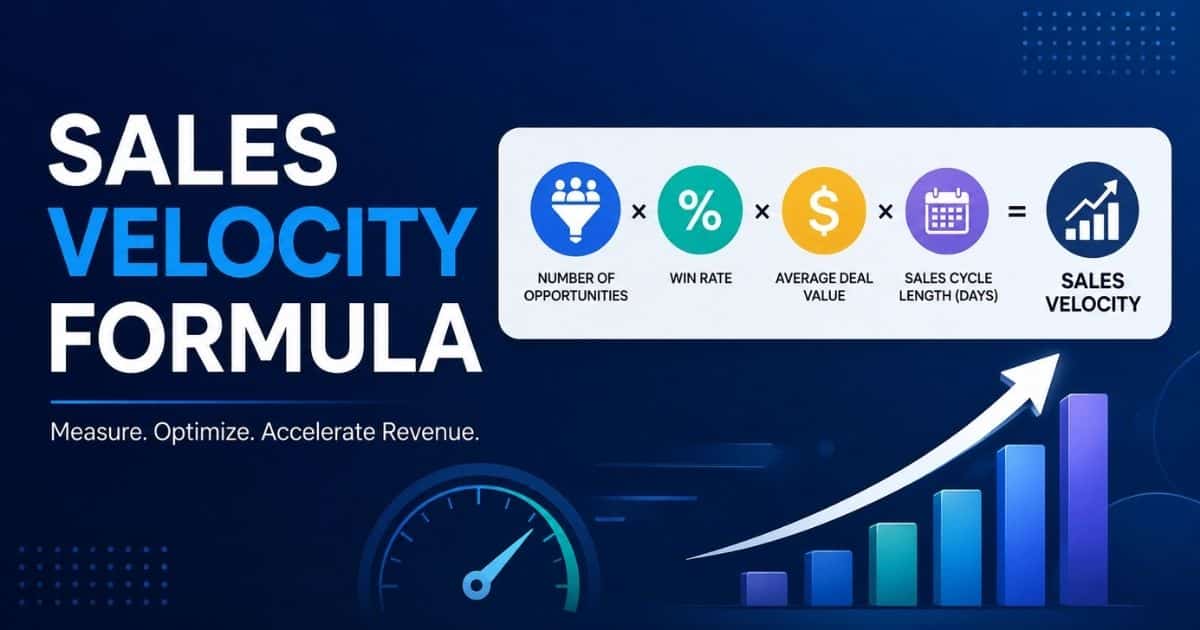
These metrics show how well opportunities move toward closing. Sales velocity tells you how fast deals move through your funnel. You calculate this by looking at opportunity count, win rate, deal size, and sales cycle length. Stage-by-stage conversion rates show where deals get stuck.
Teams watching pipeline movement spot problems two months earlier than those who only watch final results. Pipeline coverage ratio helps predict if you'll hit revenue targets. The best teams keep 3x pipeline coverage to have enough opportunities.
These core activities are the foundations of good sales management. Focusing here gives you clear views of team and individual performance. You'll know exactly where coaching will make the biggest difference.
Sales Activity Management Vs Manual Sales Tracking
The difference between manual sales tracking and reliable sales activity management has never been wider than in 2026. Manual processes that once worked well now create major productivity drains that hurt revenue generation and team morale.
Limitations Of Manual Tracking
Manual sales tracking creates hidden time costs that teams often overlook. Sales reps spend only 34.2% of their time selling, while administrative tasks that could be automated consume the rest. This administrative burden shows up in several ways:
Sales reps feel the heaviest burden at day's end. They must recall details and enter data after traveling and meeting customers. This leads to mental exhaustion and less accurate reporting. This repetitive task takes away valuable time they could use to prepare or rest.
Work gets duplicated without fail. Sales representatives must record similar information across notebooks, spreadsheets, and systems. Small errors force them to correct and re-enter data, which frustrates the entire sales team.
Manual processes leave managers in the dark about what's happening. Late submissions and slow data collection mean leaders work with outdated information and can't make quick decisions. Studies show manual order entry mistakes happen 4-7% of the time, which can cost businesses up to $500,000 each year.
Small teams might get by with manual sales tracking temporarily. But as the team grows, problems start to surface because everything depends on individual discipline and accurate reporting instead of data that you can verify.
Benefits Of Real-Time Data
Real-time data changes how sales teams work. Old analytics systems looked at past data, creating gaps between events and awareness. Up-to-the-minute sales intelligence gives teams applicable information right when they need it.
Teams gain these key benefits:
- Faster decision-making - Real-time intelligence reveals current situations and helps predict future outcomes
- Improved forecasting accuracy - Live data includes current market conditions, turning weeks of work into minute-long decisions
- Increased efficiency - Automation removes routine work while showing immediate insights about prospect interactions
- Proactive problem-solving - Teams can spot issues up to 60 days earlier than with manual tracking
Sales operations have changed fundamentally as teams move from static reports to proactive intelligence. Manual approaches tell you last month's story, but real-time sales activity management shows you what's happening now.
Impact On Coaching And Feedback
Sales activity management completely changes the coaching dynamic. Quick feedback replaces delayed reviews, letting managers correct course immediately instead of looking back at what happened.
Good coaching happens in every interaction, not just during scheduled sessions. Yet average sales managers spend only 21% of their time coaching, with 55% going to internal activities. This lack of coaching hurts performance.
Managers can spot trends and act quickly with real-time sales data. They can guide underperforming representatives using specific activity data rather than just looking at results.
Companies that increase front-line coaching by 79% consistently beat their competition. With sales activity management, top sales managers can spend 70% of their week coaching instead of chasing spreadsheets or combining reports.
This move from manual tracking to automated sales activity management creates an environment where teams constantly improve. Managers become mentors who use the latest information to guide their teams effectively.
Key Features Of Strong Sales Activity Management Software
The right software can transform your sales activity management strategy. Sales teams need tools that make tracking simple and provide analytical insights. I examined dozens of platforms and identified five vital features that set exceptional sales activity management software apart from simpler alternatives.
Activity Dashboards
Activity dashboards function as command centers for sales teams and turn complex data streams into focused performance visualizations. These specialized dashboards track quota-related activities such as calls, emails, meetings, and follow-ups that connect daily work to successful outcomes.
Strong activity dashboards automatically log specific sales activities through your CRM and eliminate manual entry. Your sales representatives won't need to handle data entry because the system captures details such as autodialer calls, email integration, and meeting outcomes.
The best dashboards let sales managers spot patterns in team performance that highlight areas to improve or reinforce. They display metrics such as activities on leads per month by type, average activities on closed deals, and activities per lead industry. These insights help sales leaders identify actions that influence conversion rates and guide their teams to repeat successful behaviors.
Customizable Reports
Interactive reports turn raw data into immediate insight. Quality sales activity management software offers customizable reporting tools that create cohesive narratives about what drives results.
These reporting capabilities should track success dimensions such as:
- Sales performance of individual reps and territories
- Pipeline analysis showing deal velocity and stage progression
- Lead conversion rates broken down by activity type and source
The most effective reporting systems use visualization to boost understanding with dashboards, line graphs, bar charts, and pie charts that bring complex data relationships to life. Role-based views ensure team members see the right level of detail so reps, managers, and executives can focus on decisions that drive revenue.
CRM Integration
CRM integration is a vital feature of any sales activity management platform. Sales teams waste countless hours moving data between systems without proper integration. This creates data silos that block collaboration and decision-making.
Proper integration employs APIs that allow different systems to communicate effectively and convert data from one platform into formats others can process. Your team gets a unified customer data foundation where information entered once appears instantly in all connected applications.
Sales teams using integrated systems show up to 30% higher productivity. Integration removes duplicate work, cuts administrative tasks, and lets representatives focus on high-value selling activities. This integration reshapes how sales organizations operate by moving teams from isolated work to cooperative efforts around shared customer data.
Mobile Access For Field Reps
Mobile access isn't optional anymore. Field sales teams rarely sit at desks, which makes smartphone compatibility vital to productivity. Mobile-first design ensures dashboards work perfectly on phones and tablets. Organizations using mobile CRM reach sales targets 65% of the time compared to just 22% for those without.
Quality mobile access has offline capabilities, so work continues even when connections fail. Representatives can gather client details, handle orders, and take notes while offline; everything syncs automatically when connectivity returns.
Gamification And Leaderboards
Gamification features turn routine tracking into engagement tools that motivate teams and spark healthy competition. Leaderboards recognize top performers publicly and encourage everyone to improve.
Effective gamification has performance dashboards showing immediate insights into progress metrics, customizable contests that match company goals, and automated recognition for achievements. These elements create natural accountability that spreadsheets in your CRM can't match.
How Automation Supports Sales Activity Management At Scale
Sales teams face a breaking point with administrative burden. Representatives now spend only 40% of their time selling. Mature sales automation technologies can solve this challenge and change how sales activity management works at scale.
Automated Logging Of Activities
Modern sales activity management systems capture every customer interaction automatically. Sales representatives no longer need manual input. Conversation intelligence platforms record and sort calls, log meetings with attendee information, and track follow-ups and next steps. This automatic tracking will give complete, accurate, and instantly available sales activity data.
These tools sync emails, calls, and meetings directly into your CRM and create a detailed activity history for each deal. Advanced systems can identify meeting purposes just by analyzing their titles and tag them appropriately.
Smart Alerts And Notifications
Smart notification systems work as virtual assistants for sales teams. They alert teams only when something needs attention. Unlike simple reminders, today's smart alerts monitor CRM data to detect engagement patterns, milestone completion, and pipeline movement through up-to-the-minute data analysis.
These notifications flag situations that need immediate action, like stalled deals, inactivity periods, or missed targets. Sales managers get visibility into team performance without constant check-ins. The system prompts action only when metrics suggest they need to intervene.
AI-Based Performance Insights
AI has changed how teams interpret sales data. It offers insights impossible to find manually:
- Predictive models rank accounts by likelihood to convert based on engagement signals and historical patterns
- AI spots key stakeholder mentions during meetings and updates your CRM automatically
- Advanced systems detect warning signs like reduced engagement or competitive mentions in deals
These analytical insights help sales managers stay agile. They analyze market trends, spot changes in buyer behavior, and recommend updates to sales strategies.
Reducing Admin Work For Reps
We eliminated hours of repetitive tasks that reduce efficiency. Research shows high-performing sales teams use artificial intelligence 4.9 times more than underperforming teams. Sales representatives can save 5-10 hours weekly previously spent on manual activity logging through automation.
Automation handles CRM updates, data entry, and administrative processes. This lets sales professionals spend more time building relationships and closing deals. Managers benefit from cleaner data, better visibility, and meaningful coaching opportunities.
Organizations that want to maximize their sales potential should implement strong activity management automation. Platforms like Gain.io are the foundations for adaptable, analytical sales success.
Best Practices For Building A Sales Activity Management Process
Sales teams need a clear plan to manage their activities effectively. My experience working with sales teams has revealed five practices that help boost performance consistently.
Define Key Metrics Per Role
Your sales team needs specific metrics for each position. Sales leaders track around 300 metrics, but research shows only 17% of these can actually be managed. The focus should be on activities you can control - scheduled meetings, completed calls, and qualified opportunities.
Different roles require different metrics:
- Sales Development Reps: Track emails sent, calls made, response rates, and meetings set
- Account Executives: Monitor activity metrics, revenue, sales velocity, and win rates
- Account Managers: Measure renewal rates, upsell revenue, and customer satisfaction
Reverse Engineer Sales Goals
Revenue targets help determine which activities generate results. To cite an instance, a $50 million annual revenue goal with $25,000 average deals means you need 2,000 deals. A 35% success rate requires 7,000 proposals. Since 7 out of 10 meetings lead to proposals, your team needs 10,000 meetings.
Set Daily And Weekly Activity Targets
Big goals become manageable when broken into daily actions. Quarterly goals of 138 discovery calls mean adding 2,277 prospects to sequences - about 35 new prospects each weekday. Your team should block 30-60 minutes regularly to protect prospecting time.
Use Scorecards For Visibility
Scorecards help simplify complex data into clear snapshots of performance. Good scorecards link metrics to desired outcomes. They show strengths and areas that need improvement while encouraging accountability without manual work.
Review And Adjust Regularly
Your metrics deserve daily attention. Regular reviews reveal trends that help fine-tune approaches before results suffer. Continuous analysis shows which team members excel and who needs extra training.
Common Sales Activity Management Challenges In Sales Ops
The best-designed sales activity management systems still face major obstacles. My work with sales operations teams shows that some challenges keep coming up. These challenges persist across industries and company sizes.
Data Overload And Misinterpretation
Sales teams struggle with too many metrics instead of learning from them. Different departments track 8-10 KPIs, which adds up to 50-100 KPIs across organizations. This excess of KPIs causes analysis paralysis and wastes time on meaningless measurements. Sellers spend only 30% of their time selling, while administrative task management eats up the rest. Data becomes noise instead of guidance without proper focus.
Low Rep Adoption Of Tools
Sales representatives often abandon their tools or barely use them. Their resistance comes from several factors:
- Complex systems that create friction and steep learning curves
- Poor training on how tools speed up sales
- Tools that don't fit daily work patterns
- Extra logins that add another step to manage
Tool adoption drops when sales reps see them as administrative burdens rather than helpful resources.
Balancing Oversight With Autonomy
Sales operations teams struggle to find the sweet spot between monitoring and independence. Salespeople thrive on autonomy, but giving complete control without checks leads to uneven performance. One expert puts it this way: "We want to give people enormous freedom to execute. But as a leader, you can never delegate your responsibility to ensure the work gets done". This balance between freedom and accountability creates constant tension.
Inconsistent Definitions Of Activities
Teams can't cooperate effectively without standard terms for sales activities. Mixed interpretations of qualified leads, meaningful conversations, and active opportunities create confusion. Team performance drops by 30% when sales methods lack consistency. These differences make it impossible to spot best practices because team members track and report similar activities differently.
How Gain.io Helps Teams Master Sales Activity Management
Gain.io supports sales activity management by centralizing sales activities, customer interactions, and pipeline data into one unified workspace. Sales teams gain real-time visibility into sales calls, follow-ups, deal progress, and key selling activities without manual updates. This clarity helps sales representatives focus on productive activities that move deals forward and maximize revenue.
Sales managers benefit from role-based dashboards, activity overview reports, and accurate sales metrics that reveal rep performance and pipeline health. Built-in automation captures sales-related activities across channels, reducing wasted effort and improving sales efficiency. With structured workflows and clear next steps, teams maintain accountability and consistent sales processes.
The platform also strengthens sales coaching and forecasting. Historical data, automated reports, and actionable insights allow sales leaders to guide underperforming reps, forecast growth with confidence, and build scalable processes that support long-term revenue growth across the entire sales team.
FAQs
How Does Sales Activity Management Improve Sales Productivity?
Sales activity management improves sales productivity by helping sales teams focus on productive activities that move deals forward. Clear visibility into sales activities reduces wasted effort and helps sales professionals prioritize high-impact actions.
Which Sales Activities Have The Biggest Impact On Conversion Rates?
Key sales activities such as timely follow-ups, quality sales calls, lead qualification steps, and proposal reviews directly influence conversion rates. Tracking these activities helps teams refine sales processes and close more deals.
Can Small Sales Teams Benefit From Sales Activity Management?
Sales activity management benefits small teams by creating structure, clarity, and focus. Even with limited resources, managing sales activities improves sales efficiency, pipeline management, and revenue growth.
How Does Sales Activity Management Support Pipeline Management?
Sales activity management provides real-time tracking and activity overview reports that reveal deal progress. This helps sales managers spot stalled opportunities early and maintain a healthy sales pipeline.
Does Sales Activity Management Reduce Sales Cycles?
Yes, effective sales activity management shortens sales cycles by highlighting critical activities and removing delays. Sales reps act faster when expectations, next steps, and associated metrics are clear.
How Do Sales Leaders Use Activity Data For Better Decisions?
Sales leaders use sales metrics and historical data to make data-driven decisions. Activity insights improve sales forecasting, sales coaching, and territory planning across sales operations.
What Makes Sales Activity Management Sustainable Long Term?
Sustainable sales activity management relies on automation, clear metrics, and consistent processes. This approach supports team performance, boosts morale, and drives predictable revenue growth.