Quick Answer: A sales communication workflow works best when it combines speed and channel mix. HubSpot found reps responding within 5 minutes are 9x more likely to engage a web lead, and Outreach data shows reps using phone, email, and social together see 28% higher MQL-to-SQL conversion than two-channel outreach.
A strong sales communication workflow helps teams move prospects from first contact to closed deals with clarity and consistency. Instead of relying on scattered messages and manual follow-ups, a sales process workflow creates a repeatable structure that supports every stage of the journey.
An effective sales workflow aligns outreach, timing, and messaging so sales teams know exactly when and how to engage. A well-defined sales workflow process also reduces missed opportunities by keeping conversations organized and visible across the pipeline.
When mapped clearly, a sales flowchart acts as a practical guide that improves coordination, speeds up responses, and turns everyday interactions into meaningful progress toward conversions. In this article, you will learn how a structured sales communication workflow works, why it supports better outreach, and how each stage contributes to stronger conversions across the sales process.
What Is A Sales Communication Workflow
A sales communication workflow outlines how sales teams plan, execute, and manage conversations across the entire sales cycle. It connects sales workflows with each step of the sales process, ensuring outreach stays consistent as prospects move through the sales pipeline and sales funnel. Rather than isolated messages, communication follows a clear sequence aligned with buyer intent and timing.
A structured sales process and a standardized sales process help teams maintain clarity and control within the company’s sales process. Clear rules around follow-ups, handoffs, and responses reduce confusion and missed opportunities. This approach creates predictable communication, supports collaboration, and helps sales teams guide prospects smoothly from initial contact to final decision.
Why Sales Communication Requires A Structured Workflow
Sales communication depends on timing, clarity, and consistency. Without structure, teams face gaps that affect performance, accuracy, and customer trust. A structured workflow creates control across conversations, data, and decision-making.
Reduced Human Error Across Sales Activities
Human error often appears in missed follow-ups, incorrect data entry, or inconsistent messaging. A structured workflow minimizes reliance on memory by defining clear steps and responsibilities. Sales reps follow predefined actions instead of improvising under pressure. Clear sequences reduce mistakes during handoffs, updates, and outreach. As a result, teams experience fewer errors that could delay deals or damage credibility with prospects.
Consistent Customer Experience At Every Touchpoint
A consistent customer experience builds trust throughout the sales journey. Structured communication ensures prospects receive the right message at the right time, regardless of which sales rep handles the conversation. Messaging stays aligned across emails, calls, and follow-ups. This consistency prevents confusion and reinforces professionalism, helping prospects feel supported rather than overwhelmed or neglected.
More Accurate Sales Forecasting And Visibility
Sales forecasting improves when communication follows a predictable pattern. Structured workflows ensure activities and outcomes align with defined sales stages. Updates reflect real progress instead of assumptions. Sales managers gain clearer visibility into pipeline health, deal movement, and potential revenue. More accurate sales forecasting supports better planning, resource allocation, and leadership confidence.
Improved Sales Team Focus And Productivity
Sales team focus increases when workflows remove unnecessary decisions. Clear communication steps help reps prioritize selling rather than managing chaos. Repetitive questions, manual reminders, and unclear next steps decrease significantly. Teams spend more time building relationships and advancing deals. Focused workflows also reduce burnout by lowering cognitive load across daily activities.
Optimized Processes For Scalable Growth
Structured communication helps optimize processes as teams grow. Defined workflows scale more easily than individual habits. New hires ramp faster because expectations remain clear. Leadership identifies bottlenecks and improves workflows without disrupting operations. Optimized processes support efficiency, consistency, and long-term performance across the entire sales organization.
A structured sales communication workflow strengthens reliability, performance, and customer trust. Clear processes transform everyday conversations into measurable outcomes that support sustainable growth.
How Sales Teams Build An Effective Communication Workflow
An effective communication workflow takes shape through planning, alignment, and execution across roles. Sales teams rely on clear structure, shared responsibility, and proven methods to create consistency without limiting flexibility.
Align Roles And Responsibilities Across The Sales Team
A strong workflow starts with alignment across the sales team. Sales reps, sales representatives, and sales professionals need clarity around ownership at every stage of communication. Defined responsibilities prevent overlap, missed follow-ups, and confusion. Clear role alignment also helps sales managers monitor progress and support teams more effectively without micromanagement.
Define Communication Steps For Every Sales Stage
Effective workflows map communication to each stage of the funnel. Sales techniques vary between early outreach, qualification, and closing, so messaging must reflect intent and timing. Structured steps guide reps on when to call, email, or follow up. This clarity keeps conversations relevant and prevents prospects from feeling rushed or ignored.
Standardize Messaging Without Losing Personalization
Sales teams balance structure with flexibility by standardizing core messages while allowing personalization. Sales professionals use approved frameworks, value propositions, and positioning to maintain consistency. Personal context, tone, and examples adapt based on the prospect. This balance protects brand voice while keeping conversations human and engaging.
Equip Sales Managers With Oversight And Feedback Loops
Sales managers play a key role in workflow effectiveness. Clear processes allow managers to review conversations, identify gaps, and provide targeted coaching. Feedback loops help refine messaging, improve timing, and strengthen execution. Visibility into communication patterns also supports fair performance evaluation.
Align Sales Strategy With Daily Communication
An effective workflow reflects the broader sales strategy. Sales leaders ensure that outreach goals, messaging priorities, and success metrics align with business objectives. When daily communication supports strategic direction, teams move with purpose. This alignment turns communication from an activity into a competitive advantage that drives consistent results.
When Sales Communication Breaks Down In The Funnel
Sales communication breakdowns rarely happen at once. Issues usually start small and expand across stages, reducing clarity, slowing momentum, and weakening trust as prospects move through the funnel.
Breakdowns During Early Stages Of Engagement
Early stages depend on fast response times and clear intent. Delays in first contact or vague messaging create uncertainty for potential buyers. Prospects struggle to understand value or next steps, which lowers initial interest. Inconsistent outreach across reps further weakens positioning. When early engagement lacks structure, leads disengage before meaningful conversations begin, making recovery difficult later in the funnel.
Follow Ups Lose Consistency Over Time
Follow-ups often decline as pipelines grow. Without defined cadence and ownership, messages arrive late or stop entirely. Prospects interpret silence as a lack of interest or poor organization. Inconsistent follow-ups also create uneven experiences, where some leads receive attention while others remain untouched. Over time, these gaps stall deals that could have progressed with timely communication.
Time Consuming Tasks Reduce Selling Time
Time-consuming tasks gradually erode communication quality. Manual scheduling, note updates, and status tracking reduce time available for actual selling. As administrative load increases, reps prioritize task completion over thoughtful outreach. Conversations become rushed, and response delays increase. Reduced focus on engagement directly impacts trust and slows deal movement across stages.
Administrative Tasks And Data Entry Create Friction
Administrative tasks and repeated data entry interrupt workflow rhythm. Incomplete records cause reps to ask the same questions repeatedly, frustrating prospects. Missing or outdated information leads to misaligned messages that break continuity. Time spent correcting records replaces time spent building relationships. This friction compounds as deals advance, increasing the risk of errors and miscommunication.
Individual Rep Performance Becomes Inconsistent
Communication breakdowns affect individual rep performance unevenly. High performers rely on experience to compensate, while others struggle without guidance. Lack of structure widens performance gaps and reduces predictability. Sales managers face limited visibility into where breakdowns occur, making coaching reactive instead of proactive. Over time, inconsistency affects team morale and overall funnel efficiency.
Sales communication weakens when the structure disappears across stages. Small gaps in early engagement, follow-ups, task management, and data accuracy accumulate, reducing confidence, slowing progress, and lowering conversion outcomes throughout the funnel.
Which Channels Matter Most In A Sales Communication Workflow
Sales communication works best when channels align with buyer intent and timing. Choosing the right mix improves customer engagement, reflects customer behavior, and strengthens every customer interaction across the workflow.
Sales Calls For High-Intent Conversations
Sales calls play a critical role once intent becomes clear. Direct conversations help clarify needs, address objections, and move opportunities forward faster than text-based channels. Voice communication adds tone and urgency, which supports trust-building during complex discussions. Sales calls work best during qualification, negotiation, and decision stages, where nuance and immediate feedback influence outcomes. When used strategically, calls prevent long back-and-forth threads and keep momentum strong. MIT Sloan Management Review research confirms that fractured communication channels can make or break the customer experience, underscoring why a structured, channel-aware workflow matters.
Phone Calls For Speed And Relationship Building
Phone calls support quick alignment when timing matters. Short conversations help resolve confusion, confirm details, or unblock stalled deals. Phone calls also strengthen rapport by adding a human element that written channels lack. Teams often rely on calls when responsiveness signals seriousness and commitment. Proper timing ensures calls feel helpful rather than intrusive, which protects customer engagement and keeps interactions productive.
Sales Conversations Across Multiple Touchpoints
Sales conversations extend beyond a single channel. Email threads, calls, and follow-ups combine into one continuous dialogue. Strong workflows treat conversations as ongoing relationships rather than isolated messages. Clear context across channels prevents repetition and confusion. When conversations stay connected, prospects experience continuity that improves confidence and decision-making throughout the sales process.
Customer Interactions Guided By Behavior Signals
Customer interactions perform best when guided by observable behavior. Engagement patterns, response timing, and content interest reveal readiness and intent. Teams that adapt outreach based on customer behavior avoid generic messaging. Relevant interactions feel timely and supportive, which increases responsiveness. Behavioral alignment also reduces wasted effort on poorly timed outreach.
Channels That Strengthen Customer Engagement Over Time
Customer engagement grows when channels match preferences and expectations. Some buyers prefer calls, while others respond better to written communication. Successful workflows respect these differences and adjust accordingly. Consistent engagement across preferred channels reinforces trust and encourages participation. Over time, channel alignment supports deeper relationships and smoother progression through sales stages.
The most effective sales communication workflows balance channels rather than relying on one approach. Calls, conversations, and behavior-driven interactions work together to support clarity, responsiveness, and long-term engagement across the customer journey.
Key Stages In A Modern Sales Communication Workflow
A modern sales communication workflow follows clear stages that guide prospects from awareness to readiness. Each stage supports better alignment between teams, messaging, and intent across the full buyer journey.
Lead Generation And Audience Targeting
Lead generation marks the starting point of the workflow and focuses on attracting the right target audience. Marketing and sales teams define the target market based on industry, role, company size, and pain points. Clear positioning ensures outreach reaches potential customers who match ideal profiles. At this stage, communication remains broad and value-driven, designed to spark interest rather than push conversion. Strong lead generation sets quality expectations early, which reduces wasted effort later in the sales process.
Lead Capture And Early Context Building
Lead capture turns interest into identifiable new leads by collecting contact details and basic intent signals. Forms, landing pages, events, and referrals feed leads into the system for further engagement. Early communication acknowledges interest and sets next steps clearly. Context building begins here, as teams gather initial data that shapes future conversations. Clear and timely responses during lead capture influence trust and response rates significantly.
Lead Qualification And Intent Assessment
Lead qualification determines whether leads align with business goals and readiness. Sales teams assess fit, need, authority, and timing while qualifying leads through structured conversations. Communication at this stage focuses on discovery and clarity rather than persuasion. Well-defined qualification criteria help reps avoid assumptions and focus on high-potential opportunities. Strong qualification improves efficiency and prevents pipeline inflation with low-intent contacts.
Lead Scoring And Prioritization
Lead scoring adds structure by ranking leads based on behavior, engagement, and profile data. Scoring models combine interaction signals with firmographic insights to surface priority opportunities. Sales communication becomes more targeted as scores increase, reflecting stronger intent. This stage helps teams allocate time effectively and respond faster to leads showing buying signals. Consistent scoring improves alignment between teams and reduces delays caused by manual judgment.
Lead Management And Ongoing Nurturing
Lead management ensures continuity as leads progress or pause within the workflow. Communication adapts based on engagement level, timing, and readiness. Some leads advance quickly, while others require longer nurturing cycles. Structured lead management maintains visibility, prevents drop-offs, and supports consistent follow-ups. Clear records and ownership keep conversations relevant as prospects move closer to decision-making.
Together, these stages create a repeatable communication framework that supports clarity, focus, and scalability. A modern workflow aligns outreach with intent, helping teams engage the right prospects at the right time with the right message.
Common Mistakes That Hurt Sales Communication Efficiency
Sales communication efficiency depends on accuracy, continuity, and clarity. Small operational mistakes often compound across stages, weakening customer relationships and creating friction throughout the customer journey.
Poorly Maintained Customer Records
Customer records form the foundation of every sales interaction. Incomplete or outdated records lead to misinformed conversations and repeated questions. Missing context forces reps to rely on assumptions, which damages trust. Poor record hygiene also slows internal handoffs and reduces visibility across teams. When records lack accuracy, communication loses relevance, and prospects feel disconnected from prior interactions.
Inaccurate Or Missing Contact Details
Incorrect contact details disrupt follow-ups and delay engagement. Missed calls, bounced emails, and wrong contacts waste time and create frustration. Sales teams struggle to maintain momentum when basic information remains unreliable. Inaccurate details also affect reporting and outreach planning. Consistent validation protects communication flow and ensures prospects receive timely responses.
Fragmented Customer Data Across Systems
Customer data scattered across tools creates silos that weaken understanding. Reps switch between platforms to piece together history, which increases errors and response time. Fragmentation prevents a unified view of behavior, preferences, and needs. Without centralized data, communication feels generic and disconnected from previous interactions.
Weak Management Of Customer Relationships
Customer relationships suffer when communication lacks continuity. Inconsistent messaging, poor handoffs, and unclear ownership reduce confidence. Prospects expect recognition and context, not repetition. Weak relationship management erodes trust and limits long-term engagement. Clear responsibility and shared visibility strengthen relationships over time.
Gaps In Customer Experience And Onboarding
Customer experience weakens when onboarding lacks clarity and coordination. Confusing early communication creates uncertainty that affects customer satisfaction. Poor onboarding interrupts the customer journey and delays value realization. These gaps impact retention and the broader customer base. Strong onboarding communication builds confidence and supports long-term success.
Avoiding these mistakes improves efficiency, consistency, and trust. Strong sales communication depends on disciplined data management, aligned teams, and continuous attention to experience quality.
Sales Communication Workflow With Gain.io
A sales communication workflow becomes more effective when structure, visibility, and coordination stay consistent. Gain.io supports this approach by aligning communication, data, and execution across sales operations without adding unnecessary complexity.
Centralized Customer Relationship Management Foundation
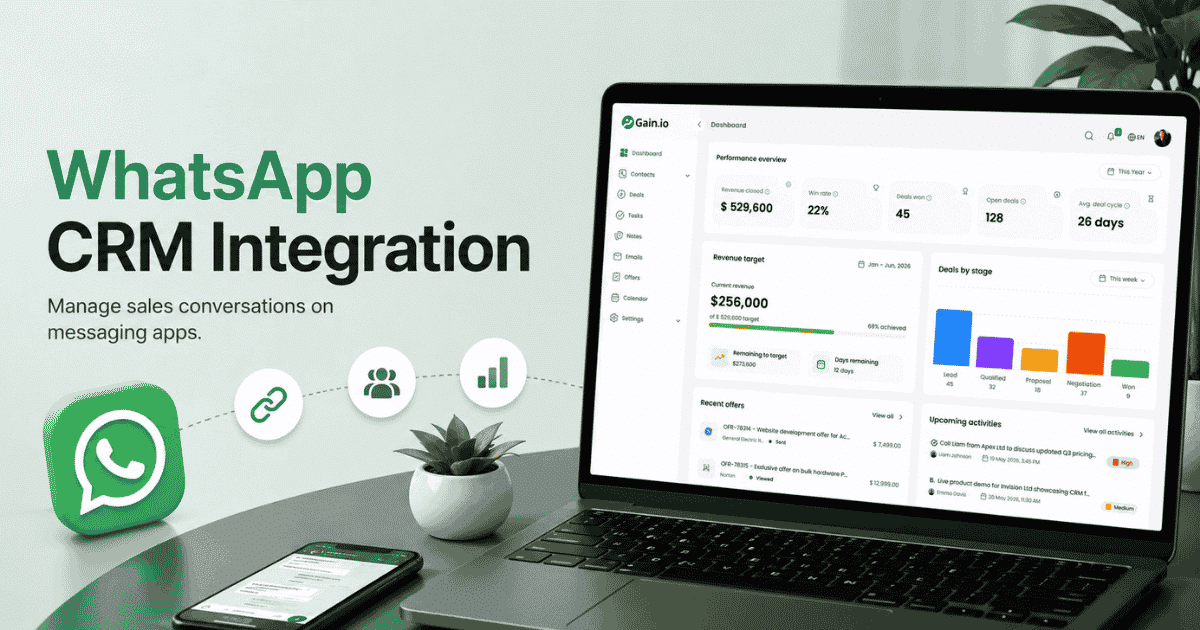
Customer relationship management acts as the backbone of the workflow. Gain.io functions as customer relationship management CRM software where customer records, contact history, and deal context remain accessible in one place. Sales professionals rely on centralized CRM software to maintain accuracy across customer data and communication touchpoints. This structure supports a consistent view of the customer journey, helping teams maintain continuity across sales stages and reduce information gaps that slow progress.
Workflow Automation And Sales Process Alignment
Sales workflow software within Gain.io supports workflow automation across repetitive actions. Automation tools assist with sales automation tasks such as automated reminders, follow ups, and pipeline updates. These features reduce manual effort and human error while supporting an effective sales process. Clear sales stages and a defined sales process flowchart help teams follow a standardized path from lead engagement to closing deals. This alignment allows sales operations to scale without losing control.
Pipeline Management And Performance Visibility
Pipeline management remains critical for tracking progress and prioritizing opportunities. Gain.io helps sales teams monitor movement across sales stages and understand where deals stall or advance. Analytics tools and key performance indicators provide visibility into activity levels, response timing, and conversion trends. This data supports more informed decisions and helps sales professionals adjust strategies based on real performance signals rather than assumptions.
Collaboration Across Sales And Customer Success Teams
Sales communication extends beyond closing deals. Gain.io supports collaboration between sales professionals, customer success, and marketing teams by keeping communication context shared and accessible. This visibility supports cross selling opportunities, smoother handoffs, and stronger alignment around the product or service value. A structured seven-step sales process ensures teams remain aligned from first contact through long-term customer success.
FAQs
Does A Sales Communication Workflow Help With Lead Prioritization?
Yes, a sales communication workflow supports better lead prioritization by aligning communication with lead qualification and lead scoring stages. Clear workflows help teams focus on high-intent prospects instead of spreading effort across low-quality leads.
Can A Sales Communication Workflow Improve Cross-Team Alignment?
Yes, a structured workflow improves alignment between sales, marketing teams, and customer success. Shared communication context reduces misalignment, supports smoother handoffs, and ensures messaging stays consistent across the customer lifecycle.
Is Sales Communication Workflow Important For Long Sales Cycles?
Yes, long sales cycles depend heavily on structured communication. Defined workflows help maintain momentum over time, manage follow-ups effectively, and preserve context across extended decision-making periods without losing engagement.
How Does A Sales Communication Workflow Support New Sales Reps?
A clear sales communication workflow helps new sales reps ramp faster by guiding timing, messaging, and next steps. Structured processes reduce guesswork and help new hires follow proven sales techniques from day one.
Does A Sales Communication Workflow Affect Deal Closing Speed?
No, the workflow itself does not close deals automatically, but it removes delays caused by missed follow-ups, unclear ownership, and inconsistent messaging. Faster decision-making becomes possible when communication stays organized and timely.