Customer retention is not optional for SaaS companies and support teams. It is a core driver of revenue growth and business stability. A customer retention CRM helps you manage relationships, track customer behavior, and deliver excellent customer service at every touchpoint.
Keeping customers engaged matters more than ever. Repeat customers tend to spend more over time. They refer new customers to your business. And they cost far less to serve than customers acquired through expensive marketing campaigns. The right crm system gives your team the tools to boost customer retention and build loyal customers who stick around for years.
What Is Customer Retention CRM
A customer retention CRM is a platform that focuses on keeping existing customers active and satisfied. It goes beyond contact management. It centralizes all customer interactions, purchase history, and support requests in one place. This gives your team a complete view of each customer journey.
The goal is simple. You want to prevent churn and grow customer lifetime value. A retention CRM uses customer data to identify at risk customers before they leave. It automates timely and relevant communication. And it helps customer support teams resolve issues fast. EasyDesk functions as a customer retention CRM for support teams by combining ticketing, automation, and customer feedback in one workspace.
Why Customer Retention Is Important In 2026
Customer retention has become a top priority for businesses in 2026. The cost of customer acquisition keeps rising. And loyal customers generate more revenue over time than new customers ever will. Here is why retention strategies deserve your attention now.
Lower Cost Than New Acquisition
Customer acquisition is expensive. Studies show that acquiring new customers can cost 5 to 25 times more than retaining existing customers. Every dollar you spend on retention delivers better returns. Your marketing campaigns work harder when they target your existing customer base instead of cold prospects.
Small teams benefit the most from this math. You do not need a massive budget to improve customer retention. Simple actions like faster support responses and personalized follow ups can reduce churn without adding headcount. The savings compound over time as your retention rate improves.
Higher Lifetime Value From Loyal Customers
Repeat customers convert at much higher rates than new prospects. Research shows conversion rates of 60 to 70 percent for existing customers compared to 5 to 20 percent for new ones. This means loyal customers are easier to upsell and cross sell.
Customer lifetime value grows when you retain customers longer. A customer who stays for 24 months generates twice the revenue of one who churns at 12 months. CRM strategies that focus on retention can increase lifetime value by 33 percent or more. That is pure profit for your business.
Stable And Predictable Revenue
High customer retention creates stable recurring revenue. This is critical for startups and SMBs that need cash flow predictability. When you know most customers will renew, you can plan budgets and investments with confidence.
A company with 90 percent annual retention will have far more customers after three years than one with 80 percent retention. The gap compounds dramatically. Stable retention also makes your business more attractive to investors and acquirers who value predictable revenue streams.
Word Of Mouth And Referrals
Loyal customers become advocates. They leave positive reviews on sites like G2 and Capterra. They refer friends and colleagues without being asked. This organic growth lowers your customer acquisition costs over time.
Encourage customers to share their experiences through referral programs and loyalty programs. A satisfied customer who refers three new customers has generated revenue at almost zero acquisition cost. Your crm software should track these referrals and help you identify your best promoters.
Poor Service Causes Fast Churn
In subscription and SaaS environments, poor customer service shows up quickly in churn numbers. Slow response times frustrate customers. Limited support channels make them feel ignored. Confusing processes push them toward competitors.
The fix is proactive support. A customer retention CRM tracks customer satisfaction scores and flags issues early. When you catch problems before they escalate, you save accounts that would otherwise cancel. Service teams that use CRM data to anticipate needs keep more customers engaged and happy.
How A CRM Helps With Customer Retention
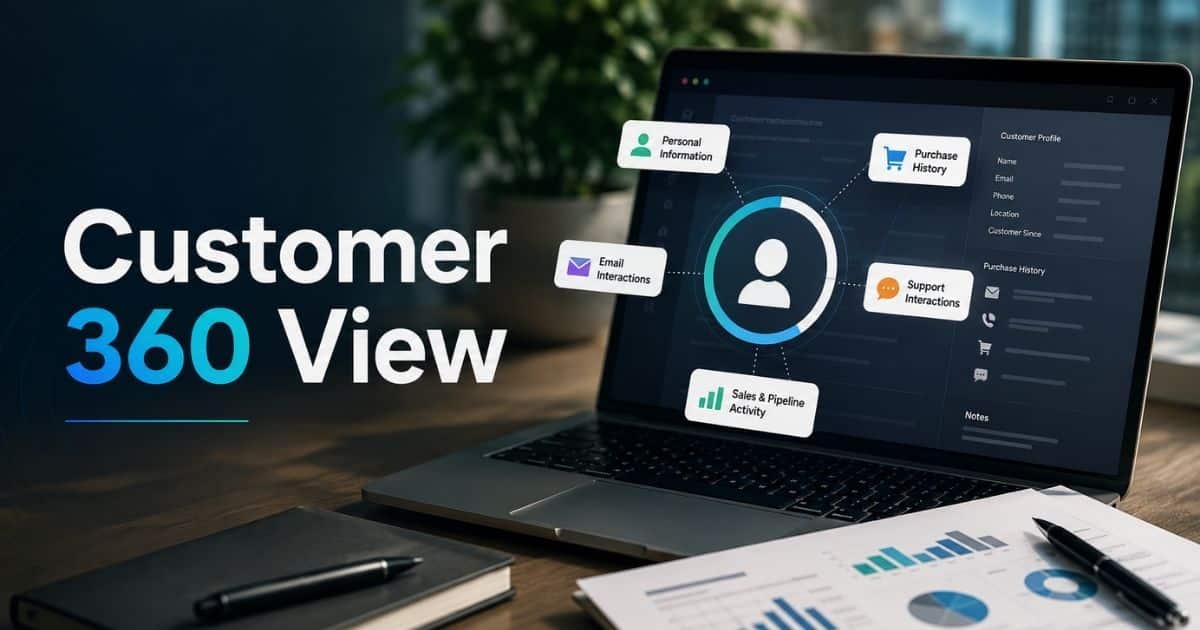
A CRM gives your team a 360 degree view of every customer. It connects sales, onboarding, support, and renewals in one system. This foundation makes serious retention efforts possible. Here is how CRM capabilities drive customer loyalty.
Centralized Customer Data
A CRM stores all customer records in one place. Manage contacts better and build stronger relationships by keeping contact details, purchase history, support tickets, and feedback together. Your team never has to search through emails or spreadsheets to find context.
This centralization prevents customers from repeating their story. Every agent can see past customer interactions instantly. Customers feel valued when you remember their history. That feeling builds trust and reduces churn. Customer relationship management works best when centralized contact management keeps data accurate and flowing freely between teams.
Automation For Consistent Engagement
Automation handles repetitive tasks so your team can focus on high value work, much like tools that automate sales tasks to stay focused and organized do for revenue teams. A CRM can send welcome emails, renewal reminders, and follow up messages automatically. Rule based workflows trigger actions based on customer behavior, and CRM follow-up automation ensures those responses are timely and consistent.
This keeps customers engaged without manual effort. Small teams punch above their weight with smart automation. You maintain consistent communication even during busy periods. Automation also ensures no customer falls through the cracks during critical moments like onboarding or renewal cycles.
Customer Segmentation For Targeted Actions
Customer segmentation divides your customer base into groups, and strong customer interaction tracking in CRM ensures each segment reflects real behavior across channels. You might segment by plan type, industry, tenure, or engagement level. Each segment can receive tailored messages and offers.
This targeting makes your retention strategies more effective. A startup on a free trial needs different communication than an enterprise customer approaching renewal. Segmentation powered by crm data lets you deliver the right message at the right time. Personalized outreach converts better than generic blasts.
Analytics To Identify Trends
A CRM tracks key metrics like retention rate, ticket volume, and customer satisfaction, similar to how systems designed to improve sales productivity with CRM centralize performance data for fast decisions. Analytics tools process this data to reveal patterns. You can see which customer segments churn most often. You can identify trends in support requests.
Predictive analytics takes this further. Advanced systems forecast which customers are likely to churn before it happens. This lets you intervene early with targeted email campaigns or personal outreach. Analytics turn raw data into actionable insights that improve customer retention.
Multi-Channel Communication
Customers reach out through email, chat, social media, and phone. A CRM consolidates these channels into one inbox. Your team responds faster because they are not switching between tools.
Consistent communication across channels builds customer experience. Customers get the same quality of service regardless of how they contact you. EasyDesk centralizes tickets from multiple channels so agents can manage relationships effectively. This unified approach eliminates silos and reduces response times, similar to how CRM tools that help retail teams stay organized unify customer communication in-store and online.
Core Customer Retention Metrics To Track In A CRM
Your CRM should calculate and display the metrics that matter for retention. Good measurement shows whether your efforts are working. Here are the essential retention metrics every team should track.
Customer Retention Rate And Churn Rate
These are mirror metrics. Retention rate shows what percentage of customers stay over a period. Churn rate shows what percentage leave. Both are essential for understanding business health.
The formula for retention rate is simple. Take the number of customers at the end of a period. Subtract the number of customers acquired during that period. Divide by the number of customers at the start. Multiply by 100. For example, if you start with 500 customers, gain 80, and end with 540, your retention rate is 92 percent. Your churn rate would be 8 percent.
Customer Lifetime Value
Customer lifetime value measures the total revenue expected from a customer over their entire relationship with your business. For subscription businesses, calculate it by multiplying average monthly revenue by average customer lifespan in months.
A customer paying $60 per month who stays for 24 months has a CLV of $1,440. Your goal is to increase customer lifetime by reducing churn and encouraging repeat purchases. CRM data helps you identify which customer segments have the highest lifetime value so you can prioritize retention efforts there.
Average Order Value And Purchase Frequency
Average order value tracks how much customers spend per transaction. Purchase frequency measures how often they buy. Together, these metrics reveal opportunities to increase revenue from existing customers.
A CRM tracks purchase history to calculate these numbers automatically. You can identify customers with declining order values as potential churn risks. Targeted promotions can boost average order value. Engagement campaigns can increase purchase frequency. Both strategies enhance customer retention and revenue.
Support And Resolution Metrics
First response time measures how quickly your team replies to tickets. Average resolution time tracks how long it takes to solve issues. Both directly impact customer satisfaction and retention.
Fast responses signal that you value customers. Quick resolutions prevent frustration from building. EasyDesk timestamps all tickets automatically so you can track these metrics over time. High customer satisfaction scores combined with low resolution times strongly correlate with better retention rates.
Customer Satisfaction Scores
CSAT surveys measure how happy customers are with specific interactions. NPS surveys measure overall loyalty and likelihood to recommend. Both provide early warning signs of churn risk.
Low scores indicate problems that need attention. Track scores by customer segment to identify patterns. A CRM can automatically trigger surveys after support interactions. Use this customer feedback to improve processes and enhance customer satisfaction before problems escalate.
Segmenting Customers For Sharper Retention Efforts
Not every customer needs the same retention effort, and a CRM makes that easy to act on. Behavior-based segmentation groups customers by purchase frequency, product usage, and support history, which surfaces who's genuinely at risk versus who's just quiet. Value-based segmentation groups customers by lifetime value and revenue contribution, so retention budget goes toward the accounts that matter most rather than spreading thin across everyone equally. Combining both views usually beats either one alone: a high-value account showing early churn signals deserves a different response than a low-value account showing the same signals.
Key Customer Retention CRM Features
The right features make retention efforts effective. Look for these capabilities when evaluating crm software. Each one directly impacts your ability to keep customers engaged and reduce churn.
Multi Channel Ticket Management
Modern customers expect support through their preferred channel. Your CRM should consolidate email, live chat, web forms, and social media into one ticket queue. No request should fall through the cracks.
EasyDesk provides a shared inbox with ticket assignment rules, priorities, and status tracking, similar in spirit to top CRM tools that help startups grow smarter on the sales side. A small support team can handle requests from multiple channels in one place. This consistency improves customer experience and prevents the frustration that leads to churn.
SLA Tracking And Workflow Automation
SLA rules let you define target response and resolution times. Set rules like “reply to high priority tickets within 1 hour.” The CRM alerts agents when deadlines approach. It can escalate tickets or send automatic notifications.
Workflow automation extends beyond SLAs. Automate status updates, assignment changes, and follow up reminders. These automations free your customer support teams from repetitive tasks. They can focus on complex issues and high risk accounts that need personal attention.
Knowledge Base And Self Service Options
A customer facing knowledge base reduces support volume. Customers find answers without waiting for an agent. This speeds up problem resolution and improves satisfaction.
Self service options work around the clock. Customers in different time zones can solve issues at their convenience. Track which articles customers use most to identify common pain points. Link helpful articles from live chat and email signatures. Each self service interaction that prevents a ticket saves time and keeps customers happy.
Feedback Collection And Public Roadmap
Feedback tools surface customer concerns before they become churn drivers. Use in app widgets, post ticket surveys, and NPS surveys to gather input. A public roadmap shows customers you are listening.
When customers vote for features they want, they feel invested in your product. When you deliver those features and notify voters, you build loyalty. This transparency strengthens customer relationships. Customers who feel heard are less likely to leave for competitors.
Analytics And Reporting Dashboards
Dashboards visualize trends in ticket volume, response time, and customer satisfaction. Reports can be filtered by segment, channel, or time period. You spot negative trends early enough to intervene.
Business reporting enables historical comparisons and future forecasts, much like a dedicated sales pipeline CRM to improve visibility does for revenue teams. Export data to other systems for deeper analysis. Monthly retention reviews become data driven instead of guesswork. The insights from analytics inform every other retention strategy you implement.
How To Choose The Right Customer Retention CRM For Your Team
The CRM market is crowded. Choosing the right platform requires matching features to your specific needs. Here is how to evaluate options and select a tool that actually improves retention.
Ease Of Use For Your Team Size
Complex enterprise tools overwhelm small teams. Look for software tools that your agents can learn quickly. A steep learning curve delays implementation and reduces adoption.
EasyDesk is built for startups and SMBs who need simplicity without sacrificing power, similar to a focused CRM for startups and small sales teams on the sales side. The interface is intuitive. New agents get up to speed fast. This quick start means you see retention benefits sooner. Never choose a CRM that requires months of training.
Multi-Channel Support Capabilities
Confirm the CRM supports all channels your customers use. Email is baseline. Live chat matters for SaaS. Social media support is essential for consumer brands. Make sure integrations work smoothly.
Test the multi-channel experience during your evaluation, especially if you run field-based workflows like real estate CRM tools that save agents time or rely heavily on CRM with integrated email communication. How easy is it to switch between channels? Can agents see full conversation history regardless of channel? A unified view of customer interactions is non-negotiable for retention.
Automation Depth And Flexibility
Basic automation sends canned responses. Advanced automation routes tickets, triggers workflows, and personalizes communication based on customer behavior. Assess how much automation you need now and for growth.
The best retention CRMs let you build custom workflows without coding, just as modern tools make it easy to define each stage in a sales pipeline that actually works. Trigger proactive support based on usage patterns. Send re engagement campaigns to dormant users. Automation enables businesses to scale retention efforts without scaling headcount proportionally.
Integration With Existing Systems
Your CRM should connect to billing, product analytics, and marketing tools. Siloed data limits your view of customer health. APIs and native integrations eliminate these gaps.
Check which integrations are available out of the box. Assess the effort required for custom integrations. A CRM that plays well with your tech stack delivers more value, so follow proven tips for choosing CRM tools that fit your workflow when you evaluate options. Customer success teams need complete context to identify at risk customers and take action.
Vendor Support And Scalability
Evaluate the vendor’s support quality. How fast do they respond? What documentation exists? Do they offer onboarding assistance? Poor vendor support undermines your retention efforts.
Consider scalability too. Can the platform handle your growth? Pricing should scale reasonably as your customer base expands. A CRM that fits today but breaks at 10x scale forces painful migrations later. Choose a platform that grows with you.
How Gain.io Works As A Customer Retention CRM
Gain.io is a sales CRM built for teams focused on closing deals and managing pipelines. While it centers on sales workflows, its features support customer retention in important ways. Contact management tracks your full relationship with each account through detailed customer interaction tracking. Gain.io features for sales teams also include visual pipelines, smart tasks, and shared calendars that support long-term account health. Visual sales pipelines show where renewals and upsells stand, following the same principles as a modern sales deal tracking guide for sales teams.
The platform stores notes from every sales conversation and decision. This history helps account managers understand customer expectations and past commitments. CRM email integration keeps sales outreach and follow-ups organized. Calendar features help teams schedule renewal meetings and check-ins on time, while CRM with email integration keeps every message tied to the right account.
Gain.io gives sales teams visibility into the customer journey from lead to long-term relationship by supporting a simpler sales workflow in your CRM. It helps you manage relationships with ongoing value by managing leads and customer relationships in CRM and tracking repeat business opportunities. For companies where sales own renewals, Gain.io provides the structure to retain customers and generate revenue from your existing customer base.
FAQs
Can A Small Team With Limited Budget Benefit From A Customer Retention CRM?
Yes. Small teams often benefit the most from a retention CRM. Automation reduces manual work and frees agents to focus on high value customers. Centralized customer data prevents context loss. EasyDesk is designed for startups and SMBs with moderate budgets who need powerful features without enterprise costs.
How Long Does It Take To See Retention Improvements After CRM Implementation?
Yes, you can see quick wins within 2 to 4 weeks. Faster replies and fewer missed tickets appear first. Measurable improvements in retention rate and customer lifetime value typically show up after 3 to 6 months of consistent use. Set specific targets each quarter and track progress through CRM reports.
What Is The Difference Between A Sales CRM And A Customer Retention CRM?
No, they are not the same. A sales CRM focuses on pipelines, leads, and closing deals. A customer retention CRM focuses on post sale relationships, support interactions, and renewal health. Features like SLA tracking, CSAT surveys, and churn prediction are specific to retention use cases. Many teams use both types together.
How Does A CRM Help Reduce Churn Before Customers Cancel?
A CRM tracks customer behavior and support patterns to identify at-risk customers early. If a customer logs multiple high-priority tickets or gives low satisfaction scores, the system flags them. Your customer success teams can then reach out proactively with targeted support or offers. This intervention prevents cancellations that would otherwise happen.
What Is The Best Way To Start If My Company Has No Retention Strategy Today?
Start simple. First, centralize all customer conversations into one tool. Then begin tracking three basic metrics: customer retention rate, first response time, and customer satisfaction scores. Set up one or two automations like SLA alerts and welcome sequences. Review reports monthly and improve one bottleneck at a time. Do not try to build a perfect retention program on day one.
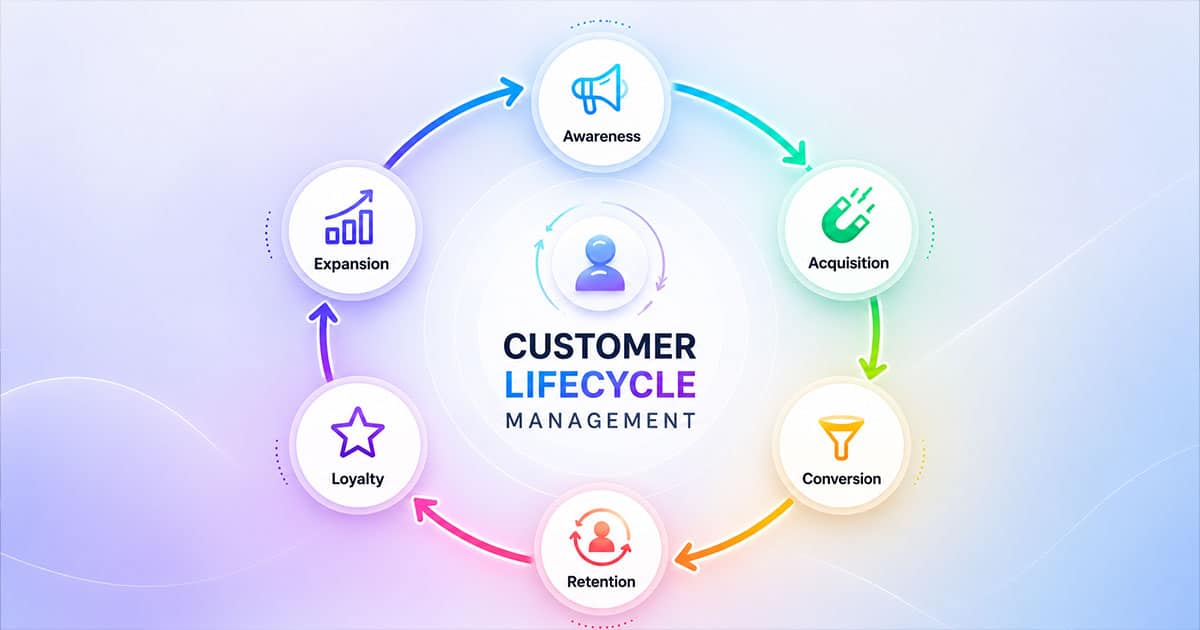
For more on this topic, see our guide on Customer Lifecycle Stages Explained For Sustainable Growth.
For more on this topic, see our guide on How CRM Tools Can Improve Customer Retention.