Sales productivity plays a critical role in how B2B organizations generate revenue and manage complex sales cycles. When sales teams focus on structured workflows, clear priorities, and the right technology, they can boost sales productivity and achieve consistent results across the sales pipeline. Effective productivity strategies help sales reps spend more time on revenue-generating activities such as prospecting, customer conversations, and closing deals.
Organizations that invest in modern sales tools and data-driven processes can increase sales productivity while reducing time spent on repetitive administrative work. Clear sales targets, measurable performance metrics, and aligned collaboration between sales and marketing teams also help improve sales performance over time.
Sales leaders often measure sales productivity through pipeline performance, deal conversion rates, and activity tracking. The following sales productivity tips highlight practical approaches B2B organizations can use to improve efficiency and drive sustainable growth.
Sales Productivity In B2B Organizations
Sales productivity measures how effectively sales teams convert time, activities, and opportunities into revenue. Recent Forrester data shows quota attainment averaging just 47%, while the 2024 Ebsta x Pavilion report reveals that 69% of sales reps miss their quotas entirely. High-performing teams dedicate 34% of their time to selling, compared to only 23% in underperforming organizations. Salesforce research indicates that reps spend just 30% of their day on actual selling amid 70% non-selling tasks. Ebsta’s analysis of 4.2 million opportunities highlights a striking reality: 17% of reps generate 81% of revenue. Win rates hover between 21-28%, cycles have extended 38% since 2021, and AI adoption is boosting revenue per rep by 77% among strategic users.
Sales Productivity Tips For B2B Sales Organizations
Improving sales productivity requires strategic focus on boosting selling time from 23% to 34%, cutting sales cycle length by 28% through AI, and lifting win rates to the 35-40% range that top teams achieve.
Prioritize High Value Sales Opportunities
The most productive sales representatives focus on quality over volume. Ebsta data confirms that the top 17% of reps drive 81% of revenue from fewer, higher-value deals rather than chasing every lead in sight. HubSpot benchmarks show average win rates at 28%, but best-in-class sales teams hit 35-40% by qualifying for enterprise deals worth $125K or more with 8-11 stakeholders involved. The sales funnel narrows significantly when you target the right prospects from the start.
Understanding your customer lifetime value helps determine which opportunities deserve your time. Venli reports that sales cycles average 84 days, stretching to 230 or more for deals exceeding $200K. Prioritizing through AI deal risk scores reduces the 44% industry rate of deal slips. Teams that respond to leads in under 5 minutes convert 35-50% of those opportunities to the first responder. This initial contact speed matters more than most sales leaders realize. The disadvantage of a volume-focused approach becomes clear when overcapacity develops. Too many reps chasing saturated demand drops quota attainment to 42.69%. Your sales strategy should emphasize qualification over quantity.
Reduce Administrative Sales Work
Sales reps lose 70% of their time to admin work according to Salesforce research. Automating these manual processes frees 20-25% more time for customer data review and meaningful sales interactions.
McKinsey’s study of 500 firms found that teams automating administrative tasks achieve 2.5x higher margins. Forrester links greater than 90% quota teams directly to automation adoption. The connection between sales and marketing teams strengthens when both sides eliminate redundant data entry. Marketing teams can share customer behavior insights directly into the CRM system, reducing duplicate efforts.
Venli notes that AI users see 77% higher average revenue per rep. However, risks exist. Ungoverned generative AI costs B2B organizations $10B in losses according to Forrester 2026 predictions. Your revenue operations team needs clear governance. Automation tools should handle logging emails, creating follow-up tasks after meetings, basic lead routing, and meeting scheduling. Platforms that automate sales tasks to keep reps focused allow your sales efforts to focus on closing deals rather than updating spreadsheets.
Structure Daily Sales Workflows
High performers schedule 5 or more daily conversations and achieve 70% quota attainment versus 63% for those falling below this threshold. Structure creates consistency in team productivity. Harvard Business Review research shows that 3 hours monthly per rep on pipeline management yields 11% higher revenue. This time spent reviewing pipeline data pays dividends.
Cold outreach converts at 2-3%, while warm engagement converts at 15-20%. Structure your workflow around nurturing existing customers and warm prospects before diving into cold territory. Account managers who block focus selling hours on their calendars outperform those who let internal meetings dominate their days. Cluster internal syncs, set clear rules for when email and chat get checked, and protect selling time aggressively. A growth mindset correlates with performance. Reps with this orientation are 3.7x more likely to hit their sales quota according to Venli research.
Apply Data Driven Sales Insights
AI-powered forecasting cuts errors by 20-50% according to McKinsey. Before AI adoption, 45% of sales leaders lacked confidence in their forecast accuracy. Deal slips affect 44% of opportunities. Good data hygiene prevents most of these losses. Your CRM system should track emerging key performance indicators like predictive close rates and deal risk scores, showing clearly how CRM improves sales productivity.
Revenue AI drives 13% growth with 85% impact when properly implemented. The key is using sales data to guide decisions rather than gut feelings. Pipeline data reveals patterns invisible to human analysis. Which marketing channels produce the highest average deal size? What customer feedback signals a stalled deal? Data answers these questions.
Customer behavior tracking through your tech stack provides the actionable insights needed to course-correct before opportunities slip away, underscoring why sales visibility matters more than ever.
Strengthen Prospect Qualification
Win rates below 20% signal qualification issues according to Prospeo research. The math is simple: poor qualification wastes time that reps spend on deals unlikely to close. Modern B2B buyers complete 91% of their research before contacting vendors. 85% have already set requirements. Your lead scoring must account for this reality.
Enterprise buying committees now include 6-10 decision-makers, with the CFO deciding 79% of purchases. Qualifying for committee composition matters as much as qualifying for budget. HubSpot reports a 21% average win rate improves significantly with tighter qualification standards. Define your target audience clearly. Match prospects against your ideal customer profile before investing serious pursuit time. Understanding customer lifetime matters here too. A poorly qualified deal that closes becomes a churn risk, destroying the customer lifetime value your sales funnel was designed to capture.
Improve Sales And Marketing Alignment
70% of the buyer journey happens through self-service before a sales rep gets involved. Alignment between sales and marketing teams boosts pipeline quality when both sides acknowledge this shift.
DemandGen reports that 96% of marketers use AI for efficiency. Sales teams should tap into these capabilities rather than operating in isolation. Shared definitions of qualified leads eliminate friction. When marketing and sales agree on what high value accounts look like, the entire go to market model improves.
Regular sessions where both teams review pipeline quality, campaign impact, and customer feedback create the collaboration needed for sustainable growth. This team collaboration between other departments prevents the finger-pointing that kills productivity.
Monitor Sales Performance Metrics
Tracking the right key metrics drives continuous improvement. Quota attainment averages 42-47% across the industry. Revenue per sales representative hits $129K median in private B2B SaaS firms. Inside sales teams show different patterns. SDR quota attainment runs at 53% compared to 38% for enterprise account managers. Understand your benchmarks before setting revenue targets.
The go to market model determines which metrics matter most. Transactional sales prioritize volume and velocity. Enterprise sales focus on average value and multi-threading. Your CRM system should surface these numbers without requiring manual calculation. Sales leaders need visibility into team’s performance at a glance, not after hours of spreadsheet work.
Sales Productivity Challenges In B2B Teams
B2B sales teams face quota attainment at 42.69%, 70% non-selling time, and 44% deal slips according to Venli, Salesforce, and Ebsta research. 74% of sales leaders report harder closes amid 22% longer cycles.
Excessive Manual Data Entry
Manual data entry consumes 70% of selling time according to Salesforce. High performers automate their way to 34% selling time, as Forrester research confirms. McKinsey data shows automation adds 20-25% more time for customer interaction. Every hour saved from data entry becomes an hour available for sales activities that drive revenue.
The challenge compounds when sales reps must update multiple systems. Each context switch costs mental energy and increases error rates in customer data. Sales representatives often view CRM updates as busywork rather than valuable record-keeping. This perception must change through automation that makes logging effortless.
Limited Pipeline Visibility
Deal slips erode 44% of forecasts according to Ebsta research. Only 45% of sales leaders feel confident in their accuracy before implementing proper visibility tools. Harvard Business Review found that pipeline hygiene adds 11% revenue. You cannot maintain what you cannot see.
Without clear pipeline stages and real-time updates, sales leaders make decisions based on outdated information. This blind spot leads to missed revenue targets and surprised executives. The sales process becomes unpredictable when visibility gaps exist. Forecasting becomes guesswork rather than the predictable revenue generation boards expect.
Unclear Sales Priorities
Overcapacity and fewer opportunities dropped attainment from 53% to 42% according to Venli research. 69% of reps miss quotas when priorities blur. Without clear direction, sales reps scatter their efforts across low-probability deals. The highly productive minority succeeds by ruthlessly prioritizing.
Sales leaders must define which accounts matter most. Without this clarity, reps default to comfortable activities rather than revenue-maximizing ones. The same number of reps can produce wildly different results depending on priority clarity. Unclear priorities represent a leadership failure, not a rep failure.
Fragmented Sales Technology Stack
Ungoverned AI risks $10B in losses according to Forrester projections. Only 23% of CSOs currently drive AI strategy. Tool overload forces sales reps to bounce between CRM, sequencing tools, note apps, and spreadsheets. Each switch kills momentum and introduces data inconsistency.
The goal should be fewer, more connected tools rather than adding capabilities. A fragmented tech stack creates tailored solutions to problems that integration would solve. Many organizations adopt tools without considering how they connect. This fragmentation creates the very inefficiency the tools were meant to solve.
Weak Prospect Intelligence
70% of the buyer journey happens before sales engagement. 91% of buyers know their vendor options before making initial contact. Qualification gaps produce 20-30% win rates when strong intelligence could push results higher. Without insight into customer experience expectations and buying committee composition, reps pursue unprepared.
Generating leads without intelligence about those leads wastes resources. Modern B2B sales requires understanding industry trends and competitive positioning before outreach. Prospect intelligence systems and disciplined sales deal tracking for modern teams exist to solve this problem. Teams that invest in understanding their buyers before contact consistently outperform those who rely on cold approaches alone.
Sales Workflows Behind High Performing Teams
Top teams achieve 2.5x margins through structured workflows, 34% selling time, and strategic AI adoption according to McKinsey and Forrester. These patterns are replicable when you get more from your CRM with a simpler workflow.
Structured Prospecting Workflows
Sales reps who complete 5 or more daily conversations hit 70% quota attainment. This volume threshold matters. Response time under 5 minutes converts 35-50% of opportunities to the first responder. Speed wins in prospecting.
Cold outreach converts at 2-3%, warm engagement at 15-20%. Productive workflows balance both approaches while emphasizing warmer opportunities. The best prospecting workflows eliminate decision fatigue. Reps know exactly who to contact, in what order, using which approach. This structure enables the activity volume that drives results.
Morning blocks dedicated to outreach, afternoon blocks for follow-ups, and protected time for account planning create rhythm. Random activity produces random results.
Consistent Follow Up Practices
Consistent follow-up reduces the 44% deal slip rate that plagues most organizations. Harvard Business Review research confirms pipeline management yields 11% growth. Most deals require 5-12 touches before closing. Inconsistent follow-up loses opportunities to competitors who maintain contact.
The sales process breaks down when follow-up becomes optional. High-performing teams treat follow-up as mandatory, tracked, and coached. Calendar reminders and task automation ensure nothing slips through cracks. Customer satisfaction improves when prospects receive timely, relevant communication.
Organized Sales Pipeline Stages
SMB sales cycles average 30 days while enterprise deals require 90 days according to Prospeo research. AI can cut these timelines by 28%. Clear pipeline stages create shared language across the team. When everyone agrees on what “qualified opportunity” means, forecasting improves, especially when they share a common understanding of what a sales pipeline is and how to build one.
Stage exit criteria prevent deals from languishing. Each stage requires specific actions and customer commitments before advancing. Visual sales pipelines show bottlenecks immediately. A visual sales pipeline improves deal clarity by revealing where deals stall and which stages have the highest drop-off. Pipeline organization answers these questions.
CRM Based Activity Tracking
Activity tracking validates the correlation between volume and attainment. The 70% quota threshold requires 5 or more daily conversations. CRM systems capture sales tasks completion rates, outreach attempts, and meeting frequencies. Without this data, coaching becomes guesswork.
Sales enablement solution adoption improves when reps see the connection between logged activities and results. Data proves what works. Modern CRM platforms with email integration streamline sales communication by integrating email, calendar, and calling data automatically. Manual logging should be minimal, freeing reps for the customer interaction that drives revenue.
Collaborative Communication Across Teams
Alignment for 6-10 person buying committees requires internal collaboration. Multiple stakeholders need coordinated messaging. DemandGen reports 96% of marketing teams use AI, creating content and insights that sales should leverage. Breaking silos improves win rates.
Account managers handling enterprise deals need support from solutions engineers, executives, and customer success. This team collaboration prevents dropped balls. Shared deal rooms and collaborative workspaces keep everyone informed. The customer experience improves when your entire organization speaks with one voice.
Technology Stack In Productive Sales Organizations
Productive tech stacks feature AI reducing cycles by 28% and boosting revenue by 31% according to McKinsey and Venli. Domain-specific sales task automation tools yield 85% impact.
Sales Automation Platforms
Automation cuts non-selling time from 70% to manageable levels. Agentic AI represents the 2026 frontier according to Venli predictions. Email sequences, meeting schedulers, and data enrichment tools handle repetitive work. This automation frees reps for relationship building.
The best sales automation platforms integrate deeply with CRM systems. Standalone tools create the fragmentation that hurts more than helps. When done well, sales automation benefits for higher conversion rates by making automation feel invisible to reps while actions happen in the background and the rep focuses on the conversation.
CRM Platforms For Sales Management
CRM platforms track key performance indicators like 20-30% win rates, pipeline velocity, and deal values. This visibility drives coaching and strategy. They also show how CRM helps sales teams manage leads, with contact management focused on leads, prospects, and customers throughout the sales lifecycle forming the foundation. Every interaction gets captured.
Visual sales pipelines show deals from initial contact to close. A dedicated sales pipeline CRM improves visibility and performance as forecasting revenue, prioritizing opportunities, and managing stages all happen within the CRM. Task management within the CRM coordinates follow-ups, reminders, and deal-related actions. Everything stays connected to the opportunity record.
Prospect Intelligence Systems
91% of buyers research vendors before contact. Intelligence systems help you understand what prospects already know. Firmographic data, engagement signals, and intent indicators guide prioritization. Not all prospects deserve equal attention.
Competitive intelligence reveals positioning opportunities. Understanding what prospects have heard about alternatives shapes your messaging. These systems integrate with CRM to surface insights where reps work. Forcing reps to check separate tools reduces adoption and utility.
Sales Communication Platforms
Communication platforms enable the 5 or more daily conversations that drive 70% quota attainment. Ease of use matters. Email integration for sales outreach tracks opens, clicks, and replies. For sectors like retail, CRM tools that keep teams organized ensure this engagement data guides follow-up timing.
Calendar features highlight sales meetings, demos, and follow-up sessions. Scheduling friction disappears with proper tools. Notes capture sales conversations, deal insights, and decision history. This institutional memory survives rep turnover.
Sales Performance Analytics
AI forecasting reduces errors by 20-50%. Deal risk scores identify opportunities needing attention before they slip. Analytics platforms transform raw activity data into coaching insights. Which behaviors correlate with success? Analytics answers this.
Revenue AI drives 13% growth when properly implemented. The 85% impact comes from domain-specific rather than generic tools. Dedicated sales performance metrics for SaaS teams surfaced through dashboards provide key metrics without requiring manual calculation. Sales leaders need answers quickly, not after extensive analysis.
How Sales Metrics Drive Productivity Growth
Key metrics including 20-30% pipeline conversion and 84-day cycles drive growth decisions. AI users see 77% higher revenue per rep according to Venli research.
Pipeline Conversion Rate
Average pipeline conversion runs 20-30%, with best performers hitting 35-40% according to Prospeo benchmarks. This metric reveals qualification quality. Low conversion rates indicate wasted effort on poorly qualified opportunities.
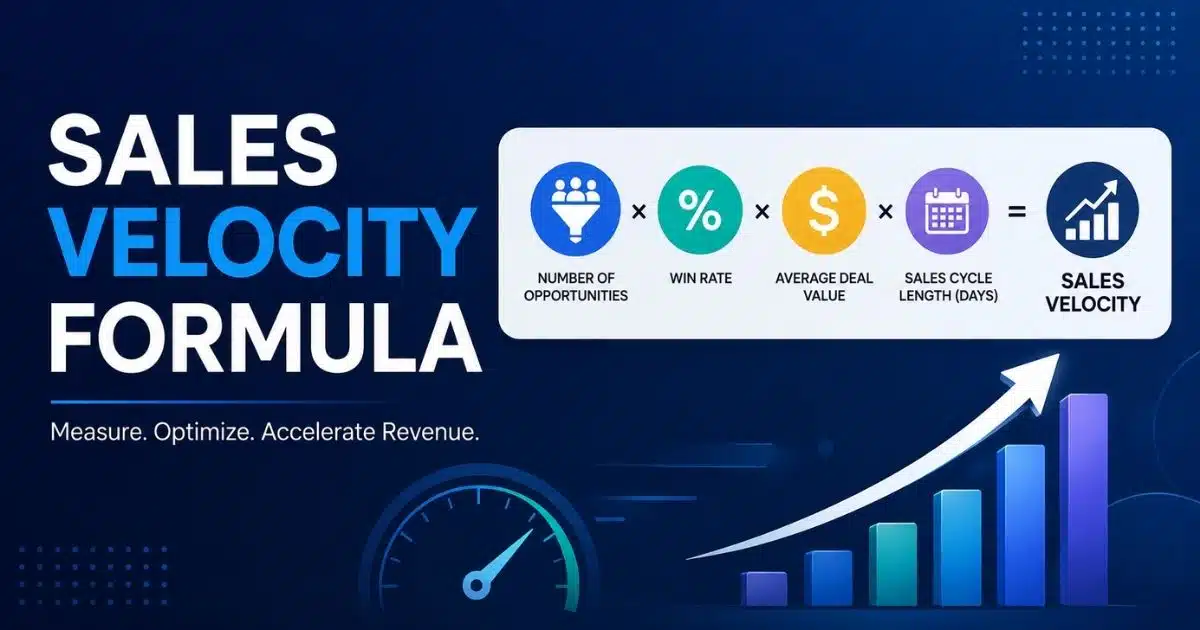
Improving conversion rate by 5 percentage points across a full team transforms annual revenue without adding headcount. The math compounds quickly. Track conversion by source to identify which marketing channels produce quality. Not all leads convert equally.
Average Deal Cycle Length
Average B2B deals take 84 days to close. Enterprise deals exceeding $200K stretch to 230 or more days according to Venli. AI reduces cycle length by 28% in organizations using it strategically. Real-world results, like a case where teams closed deals faster with Gain.io, show that faster cycles mean more revenue per rep per year.
Long cycles indicate friction points worth investigating. Where do deals stall? What approvals cause delays? Improved work life balance follows shorter cycles. Reps managing fewer simultaneous deals experience less stress and more focus.
Sales Activity Volume
5 or more daily conversations correlate with 70% quota attainment. Below this threshold, attainment drops to 63%. Activity volume represents a leading indicator. Revenue lags, but activity predicts.
Balance matters here. Volume without quality produces busy reps who miss quota. Track meaningful conversations, not just attempts. Managers should review activity data weekly, coaching reps whose volume drops before pipeline consequences appear.
Lead Qualification Rate
Win rates below 20% signal qualification failures according to Prospeo. The upstream problem causes downstream pain. Tighter qualification reduces wasted selling time. Fewer opportunities with higher probability beats many opportunities with low likelihood.
Sales and marketing alignment improves qualification. When both teams agree on ideal customer profiles, quality rises. Track qualification rate by rep to identify coaching opportunities. Some reps accept too many unqualified prospects.
Revenue Per Sales Representative
Private B2B SaaS firms achieve $129K median revenue per employee. Your benchmark depends on deal size and model. The top 17% of reps generate 81% of revenue according to Ebsta. This concentration reveals coaching opportunities, and in verticals like property, CRM tools that help real estate agents save time show how specialization can further boost productivity.
More revenue per rep indicates productivity improvement. Headcount growth without corresponding revenue growth signals problems. This metric matters most to executives. Connect productivity improvements to this number when seeking investment.
How Gain.io Improves B2B Sales Productivity
Gain.io enhances B2B sales productivity by centralizing sales workflows and eliminating the fragmentation that kills momentum. As an all-in-one CRM to grow your sales and team, the platform provides visibility into pipeline stages and deal progress, addressing the 44% deal slip rate that plagues most organizations. Contact management keeps leads, prospects, and customers organized throughout the entire sales lifecycle. Visual sales pipelines track deals from initial contact through close, supporting the forecasting accuracy that sales leaders need.
Task management coordinates follow-ups and deal-related actions without context switching. Email integration captures sales conversations automatically. Calendar features organize meetings and demos. Teams using Gain.io gain the structure that high-performing organizations rely on thanks to its smart CRM tools for sales teams. The platform reduces friction in daily workflows, helping reps focus on customer conversations rather than system navigation. For organizations seeking to operationalize these productivity principles, Gain.io provides the foundation for sustainable improvement.
Frequently Asked Questions
Why Sales Productivity Matters In B2B Organizations
Sales productivity directly impacts revenue growth and profitability. With quota attainment averaging 42-47% and 69% of reps missing targets, improving productivity represents the fastest path to better results. Top teams achieve 2.5x higher margins according to McKinsey research. Small productivity gains per rep compound across full teams and full years. Organizations that boost selling time from 23% to 34% see dramatic revenue improvements without adding headcount.
How Automation Supports Sales Productivity
Automation frees the 70% of time that sales reps currently lose to non-selling activities according to Salesforce. AI-powered tools deliver 31% revenue growth and 77% higher revenue per rep in strategic implementations. The key is automating back-end work like data entry, meeting scheduling, and activity logging while keeping customer conversations personal. Proper automation adds 20-25% more time for meaningful customer interaction.
What Metrics Reflect Sales Productivity
Core productivity metrics include win rate (21-30% average, 35-40% best-in-class), sales cycle length (84 days average), activity volume (5 or more daily conversations for 70% quota), and revenue per rep ($129K SaaS median). Pipeline conversion rate reveals qualification quality while deal slip rate indicates forecast reliability. Track these weekly to catch issues before they impact quarterly results.
How CRM Platforms Improve Sales Efficiency
CRM platforms centralize contact management, pipeline tracking, and activity logging to eliminate scattered tools and duplicate data entry. They reduce the 44% deal slip rate through visibility and reminders. AI-powered CRM features cut forecasting errors by 20-50%. A well-implemented sales pipeline CRM integrates email and calendar automatically, capturing sales conversations without manual logging.
When Sales Teams Evaluate Productivity Processes
Quarterly reviews allow teams to adjust before problems compound. Dropping attainment over multiple quarters signals immediate attention needed. Pre-budget cycles represent natural evaluation points. Sales leaders report productivity as their number one priority for 2026 according to Venli research. Any major change in product, pricing, or target audience should trigger process review regardless of timing, including revisiting how you choose CRM tools that fit your workflow.