Sales teams need clarity to hit their targets. Pipeline forecasting helps predict future revenue based on real opportunities. It shows what deals may close and when. With better visibility, teams can plan smarter and act faster.
Many businesses still rely on guesswork or outdated data. That often leads to missed targets and poor decisions. A clear forecasting process brings structure and confidence.
This guide explains how pipeline forecasting works, what models to use, and how to improve accuracy. Each section focuses on practical insights that support better sales planning and consistent growth.
What Is Pipeline Forecasting
Pipeline forecasting is a method to predict future sales and expected revenue from your current sales pipeline. It uses pipeline data, historical sales data, and CRM data to estimate how much revenue may close. Sales teams track sales pipeline stages and deal stages to understand sales progress. The goal is accurate pipeline forecasting that supports better sales forecasting and planning.
Sales pipeline forecasting relies on analyzing data from past and present sales efforts. It looks at historical trends, sales cycle length, and active sales opportunities. Sales managers and sales leaders use forecasting methods like weighted pipeline forecasting to predict future sales outcomes and future revenue based on real data. This improves forecasting accuracy and creates more accurate forecasts.
A strong forecasting process connects pipeline management with customer relationship management systems. It helps sales reps and sales representatives align sales and marketing efforts, allocate resources, and set realistic sales targets. With predictive analytics tools and accurate data collection, businesses can generate reliable forecasts, improve sales performance, and make data-driven decisions.
Key Types Of Pipeline Forecasting Methods
Every sales team uses different ways to estimate future revenue. The right approach depends on data quality, sales cycle, and deal complexity. Strong pipeline forecasting combines multiple forecasting methods to improve accuracy and reduce guesswork in the sales process.
Weighted Pipeline Forecasting
Weighted pipeline forecasting is one of the most used methods in sales forecasting. It assigns a probability to each deal based on pipeline stages and deal stages. For example, a deal in the final stage may carry a 70–90% close rate.
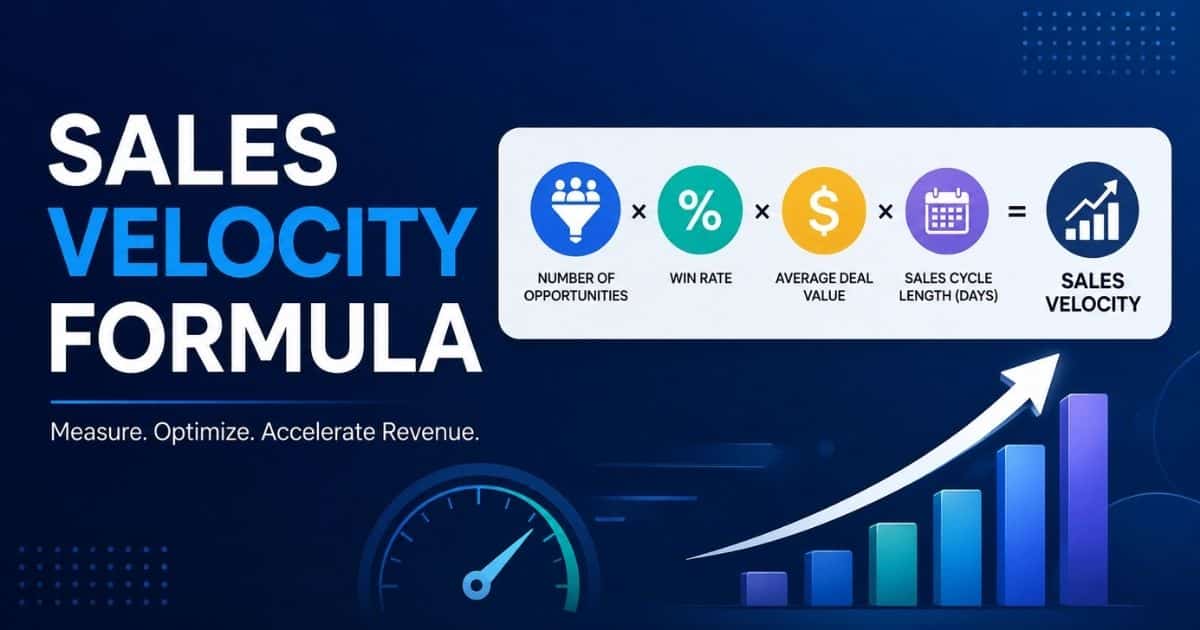
Sales teams multiply deal value with probability to estimate forecasted revenue. This method uses pipeline data and historical data to predict future sales outcomes. Studies show companies using weighted models improve forecasting accuracy by up to 15–20%. Sales managers rely on it to create more accurate forecasts and realistic sales targets.
Historical Forecasting
Historical forecasting uses past sales data to predict future revenue. It looks at historical trends, sales cycle length, and previous sales performance. This method works well when sales processes stay consistent over time.
Sales leaders analyze historical sales data to estimate expected revenue for upcoming periods. Around 60% of B2B companies use this approach for baseline sales forecasting. It supports data-driven decisions and helps identify patterns in the sales funnel. However, it may miss sudden changes in market demand or sales efforts.
Length Of Sales Cycle Forecasting
Length of sales cycle forecasting focuses on how long deals take to close. It tracks time from initial contact to final deal stages. This method uses sales cycle data and pipeline stages to predict future sales.
Sales reps monitor sales progress across the current sales pipeline. Deals that stay longer in one stage may have lower close chances. Research shows that shorter sales cycles often increase win rates by 18%. Sales managers use this method to improve forecasting accuracy and adjust pipeline strategy for better results.
Opportunity Stage Forecasting
Opportunity stage forecasting evaluates deals based on their position in the sales pipeline stages. Each stage reflects a level of buyer intent and sales progress. Deals closer to closing generate higher revenue predictions.
Sales teams use CRM data and forecasting tools to track active sales opportunities. This method helps predict future revenue based on deal stages and sales efforts. It also supports effective pipeline management and better resource allocation. Many SaaS companies use this model to align sales and marketing efforts with real pipeline data.
Pipeline Coverage Forecasting
Pipeline coverage forecasting compares total pipeline value to sales targets. A common benchmark is 3x pipeline coverage. That means a team needs three times the target in pipeline value to hit goals.
Sales managers use this method to understand how much revenue is possible from the current sales pipeline. It helps identify gaps in pipeline management and sales opportunities. Data shows that companies with strong pipeline coverage achieve up to 28% higher sales performance. It also helps revenue leaders allocate resources and improve forecasting and pipeline management.
Step-by-Step Process To Build A Pipeline Forecast
A clear process makes pipeline forecasting more accurate and consistent. Sales teams need structured data, defined stages, and the right forecasting methods. Each step improves visibility into future revenue and supports better decisions across the sales process.
Step 1: Define Pipeline Stages Clearly
Clear pipeline stages are the foundation of accurate pipeline forecasting. Each stage should reflect real buyer intent and sales progress. Standardize pipeline stages across the sales team to avoid confusion in data collection.
Sales leaders who align deal stages with the sales cycle see up to 25% better forecasting accuracy. CRM data becomes more reliable when stages are consistent. Sales managers can then track active sales opportunities and expected revenue with more confidence. A structured sales pipeline also improves pipeline management and supports accurate sales forecasts.
Step 2: Collect And Clean Sales Data
Accurate data is critical for effective pipeline forecasting. Sales teams must collect clean pipeline data, CRM data, and historical sales data. Poor data quality leads to unreliable forecasts and weak decision-making.
Research shows that bad data can reduce forecasting accuracy by over 20%. Sales reps should update deal stages, deal value, and sales progress regularly. Strong data collection helps identify patterns and improve forecasting methods. Reliable data flows also support predictive analytics tools and create a solid base for data-driven forecasts.
Step 3: Choose The Right Forecasting Model
Different forecasting models work for different sales processes. Sales teams can use weighted pipeline forecasting, historical forecasting, or other traditional forecasting methods. The choice depends on sales cycle length and deal complexity.
Around 70% of high-performing sales teams combine multiple forecasting methods for better results. Sales managers should test models using historical data and pipeline strategy. The goal is to predict future sales outcomes with a realistic estimate. A flexible forecasting model improves forecasting accuracy and supports more accurate forecasts.
Step 4: Analyze Pipeline And Trends
Analysis of pipeline data helps predict future revenue based on real insights. Sales leaders review historical trends, sales performance, and sales opportunities. This step connects past results with current sales pipeline activity.
Predictive analytics tools can improve revenue predictions by up to 30%. Sales teams should track sales funnel movement and deal stages closely. Strong analysis helps identify gaps in pipeline management and sales efforts. It also improves forecasting and pipeline management for better future sales outcomes.
Step 5: Review And Adjust Forecast Regularly
A pipeline forecast is not static. Sales managers must review forecast submissions and adjust based on new data. Changes in sales efforts, marketing efforts, or deal stages can impact expected revenue.
Companies that update forecasts weekly see up to 10–15% improvement in forecasting accuracy. Sales representatives should keep CRM data current and reflect real sales progress. Regular updates help predict future sales and future revenue based on the latest pipeline data. This step ensures reliable forecasts and supports better resource allocation.
Essential Metrics And Data Points Of Pipeline Forecasting
Accurate pipeline forecasting depends on the right metrics and clean data. Sales teams need clear visibility into performance, deal flow, and conversion rates. Each metric helps predict future revenue and improve forecasting accuracy across the sales pipeline.
Pipeline Value
Pipeline value shows the total worth of all active sales opportunities in the current sales pipeline. It gives a quick view of how much revenue is possible from ongoing sales efforts. Sales managers use it to estimate expected revenue and forecasted revenue.
A strong pipeline strategy often targets 3x pipeline coverage. That means three times the revenue target in pipeline data. Studies show teams with strong pipeline coverage achieve up to 28% higher sales performance. This metric supports better pipeline management and helps revenue leaders plan realistic sales targets.
Conversion Rates By Stage
Conversion rates track how deals move through pipeline stages and deal stages. It shows how many sales opportunities progress from one stage to the next. This metric is key for accurate pipeline forecasting and forecasting accuracy.
Sales teams that monitor stage conversion rates improve accurate sales forecasts by up to 20%. CRM data helps identify weak points in the sales funnel. Sales managers can adjust sales efforts and improve pipeline management. Better conversion rates lead to more reliable forecasts and stronger revenue predictions.
Average Deal Size
Average deal size measures the typical value of closed deals. It plays a major role in predicting future revenue based on pipeline data and historical data. Sales leaders use it to estimate how much revenue each deal may bring.
Data shows that even a 10% increase in average deal size can boost revenue growth significantly. Sales reps should track deal value across the sales pipeline stages. This metric helps create more accurate forecasts and supports better resource allocation. It also improves overall sales performance and forecasting methods.
Sales Cycle Length
Sales cycle length measures the time from initial contact to closing a deal. It helps predict future sales outcomes and future revenue based on how fast deals move. Shorter cycles usually lead to faster revenue predictions.
Research shows that companies with optimized sales cycle length see up to 18% higher win rates. Sales managers use this metric to improve forecasting accuracy and pipeline strategy. It also helps align sales and marketing efforts. A clear sales visibility supports effective pipeline forecasting and better planning.
Win Rate
Win rate shows the percentage of deals that close successfully. It is a key indicator of sales performance and forecasting accuracy. Sales teams use it to predict future sales and expected revenue from active sales opportunities.
High-performing teams often maintain win rates above 25–30%. Sales representatives track win rates using CRM data and forecasting tools. This metric helps identify patterns and improve forecasting methods. A strong win rate leads to more accurate forecasts and reliable revenue predictions across the sales process.
Common Challenges And Solutions Of Pipeline Forecasting
Pipeline forecasting often fails due to poor data, unclear stages, and weak alignment. Sales teams face issues that reduce forecasting accuracy and impact future revenue. Clear solutions help improve pipeline management and create more reliable forecasts.
Poor Data Quality
Bad pipeline data and outdated CRM data reduce accurate pipeline forecasting. Studies show poor data can lower forecasting accuracy by over 20%. Sales teams struggle to predict future sales outcomes with incomplete or incorrect data.
Solutions:
- Clean and validate sales data regularly
- Use CRM data standards across teams
- Track accurate deal stages and values
- Improve data collection from sales reps
Unclear Pipeline Stages
Unclear pipeline stages create confusion in the sales process. Sales reps may move deals incorrectly, which impacts sales pipeline forecasting. This leads to weak revenue predictions and poor forecasting accuracy.
Solutions:
- Standardize pipeline stages across teams
- Align stages with real sales cycle steps
- Train sales representatives on deal stages
- Audit pipeline stages monthly
Overly Optimistic Forecasts
Sales teams often overestimate expected revenue. This reduces accurate sales forecasts and affects resource allocation. Research shows forecast bias can impact revenue planning by up to 15%.
Solutions:
- Use weighted pipeline forecasting methods
- Base forecasts on historical data
- Review forecast submissions weekly
- Set realistic sales targets
Lack Of Sales And Marketing Alignment
Misalignment between sales and marketing efforts affects pipeline management. It creates gaps in sales opportunities and reduces future revenue based on real data. This weakens forecasting and pipeline management.
Solutions:
- Align sales and marketing efforts with shared goals
- Use common CRM data and reporting tools
- Track sales funnel and lead quality
- Improve communication between teams
Limited Use Of Forecasting Tools
Many teams still rely on traditional forecasting methods and manual tools. This limits forecasting accuracy and slows data-driven decisions. Predictive analytics tools can improve accuracy by up to 30%.
Solutions:
- Use modern forecasting tools and CRM systems
- Apply predictive analytics tools for insights
- Automate data flows and reporting
- Build a data-driven forecast process
Tools And CRM Systems That Support Pipeline Forecasting
Modern pipeline forecasting depends on the right tools and CRM systems. Sales teams need accurate data, automation, and clear visibility into the sales pipeline. The right setup improves forecasting accuracy and supports better decisions across the sales process.
CRM Systems For Pipeline Visibility
CRM systems are the core of effective pipeline forecasting. They store CRM data, track sales pipeline stages, and manage active sales opportunities. Sales teams get a clear view of the current sales pipeline and sales progress.
Studies show that companies using CRM systems improve sales performance by up to 29%. Sales managers can monitor deal stages, expected revenue, and sales efforts in real time. This helps create accurate sales forecasts and supports better pipeline management. Clean and updated CRM data leads to more reliable forecasts.
Forecasting Tools With Automation
Forecasting tools automate data collection and forecast submissions. They reduce manual errors and improve forecasting accuracy. Sales teams can generate data-driven forecasts using real-time pipeline data.
Research shows automation can improve forecasting accuracy by 10–20%. Sales reps spend less time on manual tasks and more time on sales opportunities. These tools support weighted pipeline forecasting and other forecasting methods. Automation also improves data flows and helps predict future sales outcomes faster.
Predictive Analytics Tools
Predictive analytics tools use historical data and machine learning to predict future revenue. They analyze historical trends, sales cycle length, and pipeline data. This helps sales leaders make better revenue predictions.
Reports suggest predictive tools can improve forecast accuracy by up to 30%. Sales managers can identify patterns and risks in the sales funnel. These tools support accurate pipeline forecasting and improve forecasting and pipeline management. They also help allocate resources based on future revenue based insights.
Sales Performance Dashboards
Dashboards provide a visual view of sales data and pipeline metrics. Sales teams can track sales performance, win rates, and conversion rates in one place. This improves visibility across the sales pipeline.
Companies that use dashboards see up to 21% faster decision-making. Sales leaders can monitor forecasting accuracy and adjust pipeline strategy quickly. Dashboards help identify gaps in sales efforts and pipeline stages. They also support data-driven decisions and improve the overall forecasting process.
Integration With Sales And Marketing Tools
Integration connects CRM systems with marketing and other business tools. It aligns sales and marketing efforts and improves data consistency. This creates a complete view of the sales funnel and sales opportunities.
Studies show aligned teams achieve up to 36% higher customer retention. Integrated systems improve data collection and pipeline management. Sales managers can track how marketing efforts impact future sales outcomes. This leads to more accurate forecasts and better resource allocation across the business.
Best Practices For Improving Forecast Accuracy
Strong pipeline forecasting depends on discipline, data quality, and the right process. Sales teams need consistent inputs and clear methods to predict future revenue. Simple best practices can improve forecasting accuracy and deliver more reliable forecasts.
Use Clean And Consistent Data
Accurate pipeline forecasting starts with clean pipeline data and CRM data. Inconsistent data leads to poor sales forecasting and weak revenue predictions. Sales teams must keep deal stages, deal value, and sales progress updated.
Studies show poor data quality can reduce forecasting accuracy by over 20%. Sales managers should enforce data standards across the sales process. Reliable data collection improves data-driven forecasts and helps predict future sales outcomes. Clean data also supports effective pipeline management and accurate sales forecasts.
Standardize Pipeline Stages
Clear and standardized pipeline stages improve forecasting accuracy. Each stage should reflect real sales progress and align with the sales cycle. This reduces confusion in sales pipeline forecasting.
Teams with defined pipeline stages see up to 25% better forecast accuracy. Sales leaders should align deal stages with buyer intent and sales efforts. Standardization helps track active sales opportunities and expected revenue. It also improves pipeline management and supports more accurate forecasts.
Combine Multiple Forecasting Methods
Relying on one method limits accuracy. Sales teams should combine forecasting methods like weighted pipeline forecasting and historical forecasting. This creates a more balanced view of future revenue.
Around 70% of high-performing teams use multiple forecasting models. Sales managers can compare results using historical data and pipeline data. This approach helps create more accurate forecasts and realistic estimates. It also improves forecasting and pipeline management across different sales scenarios.
Review Forecasts Regularly
Frequent reviews improve forecasting accuracy and reduce errors. Sales managers should check forecast submissions and pipeline data weekly. Changes in sales efforts or deal stages can impact expected revenue.
Companies that review forecasts weekly see up to 15% improvement in accuracy. Sales reps must update CRM data to reflect real sales progress. Regular reviews help predict future sales and adjust pipeline strategy. This ensures reliable forecasts and better resource allocation.
Leverage Predictive Analytics Tools
Predictive analytics tools improve data-driven decisions in pipeline forecasting. They use historical trends, sales cycle length, and CRM data to predict future revenue. This reduces reliance on traditional forecasting methods.
Reports show predictive tools can improve forecasting accuracy by up to 30%. Sales teams can identify patterns and risks in the sales pipeline. These tools support accurate pipeline forecasting and better revenue predictions. They also help sales leaders allocate resources and improve overall sales performance.
Role Of Forecasting In Revenue Growth Strategy
Pipeline forecasting plays a central role in revenue growth strategy. It helps sales teams predict future revenue and plan actions with confidence. Accurate forecasting connects pipeline management with business goals and drives consistent sales performance.
Guide Revenue Planning
Pipeline forecasting helps sales leaders estimate expected revenue and set realistic sales targets. It uses pipeline data, historical data, and CRM data to create accurate sales forecasts. This improves visibility into future revenue.
Companies with strong forecasting processes achieve up to 10–15% higher revenue growth. Sales managers can plan budgets and sales efforts with more confidence. Clear revenue predictions support better decision-making and align forecasting and pipeline management with business strategy.
Improve Resource Allocation
Accurate pipeline forecasting helps allocate resources across the sales process. Sales teams can focus on high-value sales opportunities and active sales opportunities in the current sales pipeline. This improves overall sales performance.
Research shows effective resource allocation can increase productivity by up to 20%. Sales leaders can assign sales reps based on deal stages and sales cycle length. Better planning ensures efficient use of time and budget. It also supports more accurate forecasts and reliable revenue predictions.
Align Sales And Marketing Efforts
Forecasting connects sales and marketing efforts through shared data and goals. It uses CRM data and sales funnel insights to track how marketing efforts impact future sales outcomes. This improves pipeline management.
Aligned teams can achieve up to 36% higher customer retention. Sales managers and marketing teams can identify patterns and adjust strategies. This creates stronger sales opportunities and improves forecasting accuracy. Better alignment leads to more consistent revenue growth.
Support Data-Driven Decisions
Pipeline forecasting enables data-driven decisions across the business. It relies on analyzing data, historical trends, and predictive analytics tools. This helps predict future sales and future revenue based on real insights.
Organizations that use data-driven forecasts are 5 times more likely to make faster decisions. Sales leaders can adjust pipeline strategy and sales efforts quickly. This improves forecasting accuracy and ensures reliable forecasts. It also strengthens overall pipeline management.
Track And Improve Sales Performance
Forecasting helps track sales performance and identify gaps in the sales process. Sales managers can monitor sales progress, deal stages, and win rates using forecasting tools. This improves visibility into the sales pipeline.
Companies that track performance metrics regularly see up to 20% improvement in results. Sales representatives can adjust sales efforts based on pipeline data. Continuous tracking supports accurate pipeline forecasting and better revenue predictions. It also helps improve forecasting accuracy over time.
How Gain.io Improves Pipeline Forecasting Accuracy
Gain.io improves pipeline forecasting by centralizing CRM data and pipeline data in one place. Sales teams get a clear view of the current sales pipeline, deal stages, and sales progress. Gain.io's features help predict future revenue and expected revenue with more confidence. Accurate data and structured pipeline management support accurate pipeline forecasting and better sales forecasting across the sales process.
The platform uses automation and smart forecasting tools to reduce manual errors. Sales reps can track active sales opportunities and update sales pipeline stages easily. This improves forecasting accuracy and creates more accurate forecasts. Sales managers can analyze historical data, monitor sales performance, and predict future sales outcomes. Gain.io also helps align sales and marketing efforts, supports integrated email communication within the CRM, which leads to reliable forecasts and stronger revenue predictions.
FAQs
How Does Pipeline Forecasting Handle Multi-Product Revenue Models?
Yes, pipeline forecasting can support multi-product sales models. Sales teams use pipeline data, deal stages, and CRM data to track different revenue streams. A strong forecasting model helps predict future revenue based on product-level sales performance and historical data.
Can Pipeline Forecasting Improve Forecast Accuracy In Long Sales Cycles?
Yes, pipeline forecasting works well for long sales cycle length when supported by historical trends and predictive analytics tools. Sales managers can track sales progress across pipeline stages. This helps predict future sales outcomes with more reliable forecasts.
What Role Does Deal Velocity Play In Pipeline Forecasting Accuracy?
Deal velocity measures how fast sales opportunities move through the sales pipeline. Faster movement improves forecasting accuracy and revenue predictions. Sales leaders use this metric with pipeline data and sales performance insights to predict future revenue more precisely.
Can Advanced Forecasting Models Replace Traditional Sales Forecasting Methods?
No, advanced forecasting models do not fully replace traditional forecasting methods. Sales teams often combine both approaches. This improves accurate pipeline forecasting and creates more accurate forecasts based on historical data and real-time sales data.
How Do Revenue Leaders Use Pipeline Forecasting For Strategic Decisions?
Yes, revenue leaders rely on pipeline forecasting to guide resource allocation and pipeline strategy. They analyze CRM data, sales funnel trends, and active sales opportunities. This helps predict future sales and align sales and marketing efforts for better revenue predictions.