AI sales assistant software has become an important tool for revenue teams that want to improve pipeline efficiency and accelerate deal progress. Many organizations now rely on sales assistant software powered by generative AI, predictive analytics, and intelligent automation to analyze sales data and uncover new sales opportunities.
The best AI sales assistants combine AI agents, automated lead management, and real-time actionable insights to help sales teams move deals forward faster. These systems track signals such as job changes, engagement behavior, and buyer activity while maintaining sender reputation during outreach campaigns.
Modern AI sales assistant software also connects with tools such as Google Sheets and other platforms to simplify data sharing across revenue teams. Even with advanced automation, successful AI assistants still preserve the human touch in sales conversations. Many platforms offer a free plan or standalone functionality so organizations can test AI-driven sales workflows while pursuing long term sales goals.
What Is An AI Sales Assistant In Revenue Teams
An ai sales assistant is intelligent software that supports sales reps throughout the entire sales process. It uses artificial intelligence and machine learning to analyze sales data, prioritize leads, and automate outreach. Think of it as a virtual assistant that works alongside your team, not instead of them.
The technology relies on natural language processing to understand communication patterns and generate human-like responses. It connects to your CRM, email, and calendar to build a complete picture of every opportunity. Unlike basic automation tools, modern ai assistants learn from your pipeline history, pricing rules, and deal outcomes to provide context-aware recommendations.
For revenue teams, this means sales managers get instant insights into pipeline health. Sales reps receive suggestions on who to contact first and what to say. Decision makers get summaries of complex deals without digging through notes. The ai assistant handles research, drafts follow up emails, logs activities, and flags risks so nothing falls through the cracks, much like dedicated sales task automation tools designed to keep teams focused and organized.
According to industry data, ai powered tools can identify high-potential leads and suggest optimal times for outreach based on engagement patterns. This helps gtm teams focus energy on prospects most likely to convert rather than spreading efforts thin across every lead.
AI Sales Assistant To Improve Pipeline Efficiency
Pipeline efficiency determines how quickly revenue teams move deals from first touch to closed won. Here is how ai sales assistants strengthen each stage of the sales pipeline.
Sales Pipeline Visibility For Revenue Teams
Visibility into the sales pipeline is foundational for revenue teams. Without clear insight into deal status, sales leaders struggle to forecast accurately or allocate resources effectively.
Ai sales assistants solve this by aggregating data from multiple sources into a single view. They pull information from CRM records, email threads, call summaries, and calendar events. This gives sales managers a real-time picture of where every opportunity stands.
Research indicates that teams using ai powered pipeline tools see improvements in forecast accuracy because the data is updated continuously rather than relying on manual rep input. When sales call data flows directly into the system, managers spot trends earlier and adjust their sales strategy accordingly, especially when supported by a dedicated sales visibility CRM that surfaces real-time insights for managers.
For growing SaaS companies, this visibility is critical. Complex sales cycles with multiple stakeholders require constant monitoring. An ai assistant tracks engagement across contacts and surfaces which deals need attention today, not after the weekly pipeline review.
Lead Prioritization Based On Buyer Signals
Not all leads deserve equal attention. Ai sales assistants analyze lead data and engagement patterns to score prospects based on buying signals.
When a prospect asks about pricing, requests product demos, or responds quickly to outreach, the ai recognizes these behaviors and flags the lead as high-priority. This lead scoring happens in real-time, allowing reps to qualify prospects faster.
Sales intelligence tools within ai assistants examine historical win/loss data to predict which leads are most likely to convert. They look at factors like company size, industry, engagement frequency, and past deal outcomes. The result is a ranked list that helps reps focus on high quality leads first, similar to how a well-implemented CRM helps sales teams manage leads throughout the funnel.
Studies show that teams using ai for lead prioritization see higher conversion rates because they spend time on prospects who are ready to buy rather than chasing cold outreach that goes nowhere. This approach also improves rep performance by reducing wasted effort on low-probability opportunities.
Deal Progress Across Pipeline Stages
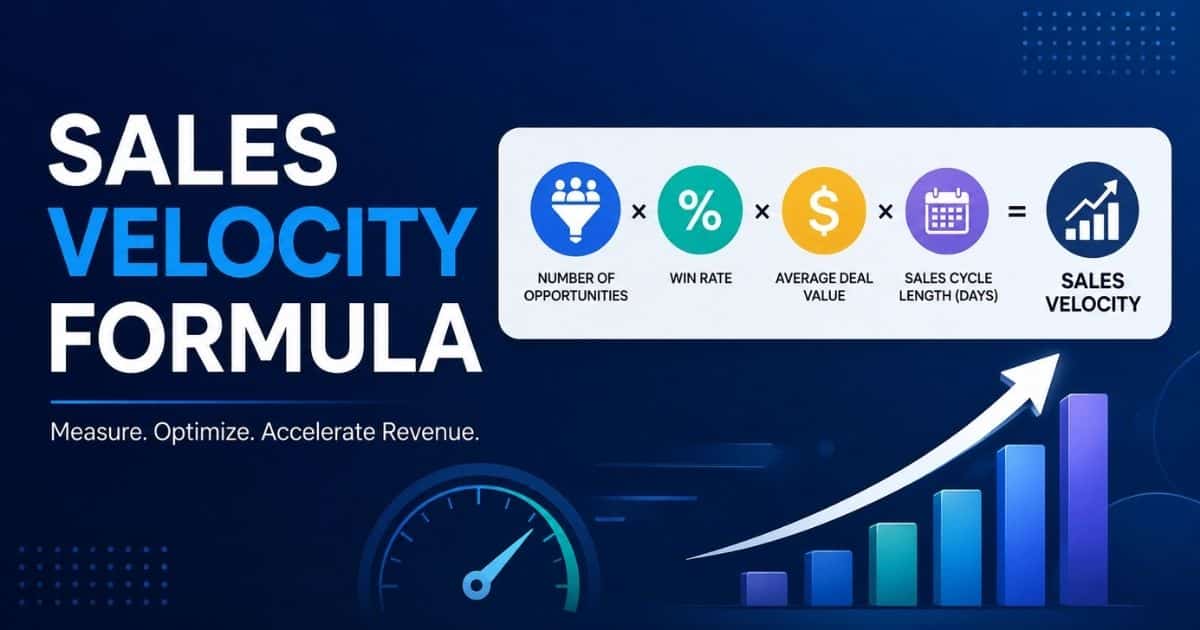
Tracking deal velocity across pipeline stages reveals where opportunities stall. Ai assistants monitor movement and alert reps when deals sit too long in one stage.
For example, if an opportunity stays in the negotiation stage beyond the average cycle time, the ai flags it for review. It might suggest re-engaging a specific contact or recommend next steps based on similar past wins.
This proactive approach keeps deals moving forward. Sales assistants can even identify missing stakeholders in multi-threaded deals, helping reps avoid blind spots late in the cycle when new decision makers suddenly appear.
Automated workflows triggered by stage changes ensure follow ups happen on schedule. The ai sends reminders, drafts emails, and updates records so reps stay focused on selling rather than administrative tasks, mirroring the benefits of sales task automation tools that boost productivity and revenue.
Early Detection Of Stalled Opportunities
Stalled deals are silent revenue killers. Ai sales assistants continuously identify opportunities at risk before they become losses.
They analyze engagement patterns, response times, and sentiment from sales calls to detect warning signs. If a champion stops responding or if meeting attendance drops, the assistant surfaces the risk immediately.
This early detection gives sales teams time to intervene. A rep might schedule a check-in call, involve leadership, or adjust the proposal based on new objections. Without ai monitoring, these signals often go unnoticed until the deal is already lost.
Pipeline risk detection is one of the most valuable capabilities for sales leaders. It reduces surprises at quarter end and helps managers coach reps on deals that still have a chance.
Sales Insights Without Manual Analysis
Manual pipeline analysis is time consuming and often outdated by the time reports are complete. Ai assistants generate valuable insights automatically from ongoing sales activities, supporting stronger tracking of key sales performance metrics for SaaS teams.
They summarize key information from calls, highlight changes in deal status, and surface patterns across the pipeline. Sales leaders get dashboards updated in real-time rather than waiting for weekly data pulls.
This automation frees RevOps teams from building reports manually. Instead, they focus on strategy and optimization while the ai handles data aggregation and analysis.
Ai insights also improve coaching. Managers see which reps struggle with specific deal stages and can offer targeted support. Live coaching during calls provides on-the-fly guidance based on conversation analysis, helping reps handle objections more effectively.
Focus On High Value Sales Activities
The ultimate goal of any ai sales assistant is to let sales reps spend more time on activities that close deals. By automating repetitive tasks like data entry, meeting scheduling, and follow up emails, the ai reclaims hours each week.
Reps use this time for discovery calls, building relationships, and negotiating with decision makers. These high value activities require human judgment and cannot be delegated to automation, but they are amplified when teams use a focused CRM to improve sales productivity.
Research suggests that sales teams using ai tools spend significantly more time selling and less time on administrative work. This shift improves win rates and accelerates deal cycles because reps engage prospects more consistently.
For revenue teams, the combination of automated prospecting, ai features for prioritization, and streamlined workflows creates a sustainable advantage. Reps feel less burned out, managers gain better visibility, and the organization closes more deals with the same headcount.
Sales Pipeline Data Challenges In Growing SaaS Companies
Growing SaaS companies face unique obstacles when scaling their sales operations. Data fragmentation and visibility gaps slow down pipeline efficiency.
Pipeline Data Scattered Across Sales Tools
Most sales organizations use multiple tools for different functions. CRM systems hold contact records. Email platforms store conversation history. Calling tools capture sales calls. Calendar apps track meetings.
This fragmentation creates silos. Sales reps waste time switching between applications and manually entering information into the CRM. Important details get lost or entered inconsistently.
Ai sales assistants address this by connecting to other systems and pulling data into a unified view. They sync information automatically so reps and managers see the complete picture without manual reconciliation, much like a dedicated sales pipeline CRM that centralizes data for better visibility and performance.
For companies with existing sales workflows, integration depth matters. An ai assistant that works within your current tech stack adds value immediately. One that requires replacing tools or manual data migration creates friction.
Limited Visibility Into Buyer Engagement
Understanding how prospects engage with your company across channels is essential for timing outreach correctly. Many teams lack this visibility because engagement data sits in separate systems.
Email opens, website visits, content downloads, and call recordings all provide signals about buyer interest. Without aggregation, sales reps miss patterns that indicate readiness to buy.
Ai assistants consolidate engagement data and highlight trends. They might surface that a prospect visited the pricing page three times this week or downloaded a case study relevant to their industry. These insights help reps tailor conversations and strike while interest is high, especially when combined with a CRM with email integration that tracks engagement automatically.
Limited visibility also affects lead generation. Marketing qualified leads may go cold because sales does not act fast enough. Ai tools reduce lead response time from hours to minutes, capturing interest before it fades.
Delays In Pipeline Analysis For Sales Leaders
Sales leaders need timely data to make decisions. Monthly pipeline reviews are too slow in fast-moving SaaS markets.
Traditional reporting requires pulling data, cleaning it, and building visualizations. By the time the report is ready, the pipeline has changed. Opportunities have moved, stalled, or closed.
Ai assistants provide real-time analytics that update continuously. Managers see current pipeline health whenever they need it. They identify problems early and adjust strategy without waiting for scheduled reviews, which accelerates CRM adoption that is changing modern sales teams into more data-driven organizations.
This speed advantage compounds over time. Teams that react quickly to pipeline risks save more deals and maintain forecast accuracy even as market conditions shift.
Inconsistent CRM Data Across Revenue Teams
CRM data quality is a persistent challenge. Different reps enter information differently. Fields get skipped. Updates lag behind reality.
Inconsistent data undermines everything downstream. Lead scoring models produce unreliable results. Forecasts miss the mark. Reporting shows incomplete pictures.
Ai assistants improve data quality by automating data entry and standardizing records. They capture information from emails, calls, and meetings and log it consistently. They also flag missing data and prompt reps to complete records.
For revenue teams, cleaner data means more trustworthy insights. Sales leaders make better decisions when they know the underlying information is accurate and current.
Missed Opportunities In Complex Sales Cycles
Complex B2B deals involve multiple stakeholders, long timelines, and numerous touchpoints. Keeping track of everything manually is nearly impossible.
Opportunities slip through cracks when reps forget to follow up, miss a stakeholder, or lose track of objections raised months ago. These missed steps cost revenue.
Ai sales assistants maintain comprehensive deal histories. They surface action items, remind reps of pending follow ups, and track stakeholder engagement across the buying committee. Nothing gets lost.
For companies selling to enterprise accounts, this capability is essential. The ai assistant becomes the memory of the deal, ensuring continuity even when reps transition or accounts get reassigned, especially when layered on top of a simpler sales workflow in your CRM that keeps every step organized.
Product Usage Signals That Strengthen Sales Pipelines
Product data offers powerful signals that traditional sales software often overlooks. Companies that connect product engagement to pipeline analysis gain a meaningful advantage.
Product Engagement Signals In Sales Conversations
How prospects and customers use your product tells you a lot about their readiness to buy or expand. High engagement indicates value realization. Low engagement suggests churn risk.
Sales reps can use engagement signals to personalize conversations. If a trial user has explored advanced features, the rep knows to focus on those capabilities during the demo. If usage has dropped, the rep can address concerns before they become objections.
Ai assistants surface these signals automatically. They pull product data and present it alongside CRM records so reps have context before every call. This preparation makes conversations more relevant and builds trust with potential customers.
Product Qualified Leads In Revenue Pipelines
Product qualified leads are prospects who demonstrate buying intent through product usage. They have tried your solution and engaged meaningfully, making them stronger candidates than leads based on marketing engagement alone.
Identifying PQLs requires connecting product analytics to sales pipelines. Ai tools analyze usage patterns and flag leads that meet qualification criteria. They might look at feature adoption, time spent in the product, or specific actions that correlate with conversion.
Revenue pipelines that incorporate PQLs see higher win rates because these leads have already experienced value. Sales reps spend less time convincing and more time facilitating the purchase decision, particularly when supported by thoughtful contact segmentation in sales that reflects product behavior and buying stage.
Customer Behavior Data For Opportunity Scoring
Beyond initial qualification, customer behavior data informs opportunity scoring throughout the sales cycle. Ongoing usage patterns reveal whether a deal is progressing positively or at risk.
For expansion opportunities, ai assistants track which features customers use and which they ignore. This data guides upsell and cross-sell conversations. If a customer heavily uses one module but ignores another, the rep knows where to focus, especially when those insights are tied into Gain.io features and smart CRM tools that surface usage patterns alongside deal data.
Behavior data also supports renewal forecasting. Declining usage often predicts churn. Early detection gives customer success and sales teams time to intervene before the contract ends.
Product Insights For Sales And RevOps Teams
Sales and RevOps teams benefit from product insights beyond individual deals. Aggregate data reveals patterns about what drives conversions, which features resonate, and where friction exists.
These insights inform go to market strategy. If certain product capabilities correlate with faster deal cycles, marketing can emphasize them in campaigns. If onboarding friction slows adoption, product teams can prioritize improvements.
Ai assistants make this analysis accessible without requiring data science expertise. They surface trends and anomalies automatically, enabling teams to act on insights quickly.
Customer Adoption Signals In Deal Progress
Adoption milestones mark meaningful progress in the customer journey. Reaching these milestones during a trial or pilot indicates deal momentum.
Ai sales assistants track adoption signals and incorporate them into pipeline views. A prospect who completes onboarding, invites team members, or integrates with other systems shows commitment that verbal interest alone does not convey.
Sales reps use adoption data to gauge deal health and prioritize where to invest time. Strong adoption signals justify continued pursuit. Weak signals prompt conversations about barriers or fit.
Product Intelligence For Revenue Forecasting
Revenue forecasting improves when product data supplements pipeline data. Usage patterns add a dimension of insight that CRM records alone cannot provide.
Forecasts based on stage and probability miss nuance. A deal marked as 80% likely might be at risk if product engagement has dropped. Conversely, a 50% deal might be stronger than expected if usage is accelerating.
Ai sales agents incorporate product intelligence into forecasting models. They weight opportunities based on engagement, not just rep confidence. This approach produces more accurate forecasts and reduces quarter-end surprises for sales leaders.
Revenue Operations And Sales Alignment Through Data
Revenue operations and sales teams achieve better outcomes when they share data and work from a common understanding of pipeline health.
Revenue Data Visibility Across Teams
When RevOps and sales see the same data, alignment improves. Disputes about pipeline numbers disappear. Conversations shift from data accuracy to strategy.
Ai assistants create this shared visibility by aggregating data from all relevant sources. Dashboards show consistent metrics whether viewed by a rep, manager, or RevOps analyst, often through a visual sales pipeline that improves deal clarity for everyone involved.
This transparency builds trust. Sales leaders know RevOps reports reflect reality. RevOps knows sales inputs are complete. Everyone works from the same truth.
Sales And RevOps Collaboration Around Pipeline Data
Collaboration becomes productive when both teams access the same information. RevOps can identify pipeline gaps without waiting for sales to provide data. Sales can request analysis without lengthy data preparation.
Ai tools facilitate this collaboration by surfacing insights proactively. They might alert RevOps to a coverage gap in a territory or flag an unusual pattern in deal velocity. Both teams can investigate and respond together.
Effective collaboration also improves process adherence. When sales sees how their inputs affect forecasts and reports, they are more motivated to maintain data quality, especially when using robust contact management to build stronger relationships across the team.
Pipeline Health Monitoring Through Analytics
Pipeline health encompasses more than total value. It includes coverage ratios, stage distribution, velocity, and risk indicators.
Ai assistants monitor these dimensions continuously. They compare current metrics to historical benchmarks and alert managers when something looks off. This proactive monitoring catches problems before they impact revenue and depends on tracking the right sales performance metrics for SaaS teams in a CRM that truly fits your workflow, which is why choosing CRM tools that match your process is so important.
Health analytics also support coaching conversations. Managers use pipeline data to identify which reps need support and what specific behaviors to address. Data-driven coaching is more effective than intuition-based feedback.
Data Driven Sales Forecast Planning
Forecasting accuracy is a persistent challenge for sales organizations. Deals slip, close early, or die unexpectedly. Traditional forecasting relies heavily on rep judgment, which varies in reliability.
Ai sales assistants improve forecasts by analyzing historical patterns and weighting current deals accordingly. They consider factors like stage duration, engagement trends, and stakeholder involvement.
The result is a forecast grounded in data rather than optimism. Sales leaders can plan resources, set quotas, and communicate with executives more confidently.
Opportunity Insights For Strategic Sales Decisions
Strategic decisions require understanding which opportunities matter most and why. Ai assistants surface opportunity insights that inform resource allocation.
They might reveal that deals with certain characteristics close faster or at higher values. This insight guides targeting and qualification criteria. Reps learn which prospects to prioritize and which to deprioritize.
Strategic insights also inform territory planning, compensation design, and product roadmap decisions. Sales data becomes a strategic asset when ai makes it accessible.
Continuous Pipeline Optimization
Pipelines are never static. Market conditions change. Competition evolves. Customer needs shift.
Ai assistants support continuous optimization by tracking performance over time and highlighting what works. They test assumptions about ideal customer profiles, messaging, and timing.
This iterative approach keeps revenue teams adapting rather than relying on outdated playbooks. The ai learns from outcomes and refines recommendations, creating a feedback loop that improves results quarter over quarter.
How Gain.io Helps Revenue Teams Improve Pipeline Efficiency
Gain.io is a sales CRM built for revenue teams that need visibility into their pipeline and clarity on every deal. It brings contact management, visual sales pipelines, and task management together in one platform designed for sales workflows, helping teams close deals faster with Gain.io by standardizing stages and automating follow ups.
Sales reps use Gain.io to track opportunities from lead to close without switching between scattered tools. Notes capture sales conversations and deal insights. Email integration supports outreach and follow ups directly within the platform. Calendar features keep product demos, meetings, and follow ups organized.
For sales managers, Gain.io provides the pipeline visibility needed to coach reps and forecast accurately. Teams see deal progress, identify stalled opportunities, and prioritize high value activities without manual data entry or guesswork.
Growing SaaS companies benefit from a sales software platform that reduces complexity. Gain.io keeps revenue teams focused on what matters: building relationships and closing more deals, making it an ideal CRM for startups and small sales teams and one of the top CRM tools that help startups grow smarter.
FAQs
What Signals Help Identify High Value Opportunities In A Sales Pipeline
High value opportunities show consistent engagement, involvement of multiple stakeholders, and alignment with your ideal customer profile. Buyer signals like pricing questions, requests for product demos, and fast response times indicate readiness to move forward. Product usage data for trial accounts adds another layer, revealing which prospects experience value before they buy.
How AI Sales Assistants Support Revenue Forecasting
Ai sales assistants analyze historical deal patterns, current engagement levels, and pipeline stage duration to generate forecasts. They weight opportunities based on data rather than rep confidence alone. This approach reduces surprises and gives sales leaders more reliable numbers for planning.
Why Product Data Matters In Sales Pipeline Analysis
Product data shows how prospects interact with your solution beyond sales conversations. High engagement indicates value realization and buying intent. Low engagement signals risk. Incorporating product signals into pipeline analysis helps teams prioritize correctly and intervene early when deals show warning signs.
How Revenue Teams Detect Pipeline Risks Early
Ai assistants monitor engagement patterns, response times, and deal velocity to flag risks before they become losses. They alert reps when champions go quiet or when deals stall beyond normal cycle times. Early detection gives teams time to re-engage and save opportunities.
What Role Product Intelligence Plays In Sales Efficiency
Product intelligence helps sales reps personalize conversations based on how prospects use the solution. It identifies expansion opportunities within existing accounts and supports renewal forecasting. Teams using product intelligence spend time on the right opportunities rather than guessing where to focus.