Sales deal risk management plays a critical role in maintaining control over complex pipelines and achieving predictable revenue outcomes. In many companies, nearly 60 percent of deals stall due to unidentified risks, poor qualification, or weak stakeholder alignment. Strong risk management strategies help teams identify risks early, reduce uncertainty, and improve decision-making across the sales cycle.
A structured approach that combines data analytics, due diligence, and proactive risk mitigation enables sales leaders to track risks, address potential threats, and protect financial stability. From managing compliance risks to improving operational efficiency, effective deal risk management supports better forecasting, faster deal closes, and long-term success. Teams that prioritize risk reduction not only mitigate risks but also gain a competitive edge and drive sustainable growth.
What Is Sales Deal Management
Sales deal management refers to the structured process of planning, tracking, and controlling every opportunity from initial qualification to deal closure. It integrates risk management, due diligence, and data analytics to identify risks early and support informed decisions. Studies show that companies with well-defined deal management practices achieve up to 28 percent higher win rates and stronger forecast accuracy.
Effective deal management aligns sales strategies with business objectives, tracks potential risks across each stage, and improves decision-making processes. A modern B2B sales CRM for revenue teams provides the structure and data needed to support these practices at scale. It helps mitigate risks, strengthen compliance, and enhance operational efficiency. As a critical component of revenue operations, it supports financial stability, customer satisfaction, and long-term success.
Key Sales Deal Risk Management Strategies For Better Deal Control
Strong deal risk management improves visibility, reduces uncertainty, and protects revenue outcomes. Companies that apply structured risk management strategies report up to 25 percent better forecast accuracy and faster deal closes by identifying risks early and acting with precision.
Establish Clear Qualification Criteria
Clear qualification acts as the first layer of risk management. Teams that define well-structured criteria can identify risks before resources are committed. Research shows nearly 50 percent of lost deals stem from poor qualification. Using consistent risk assessment frameworks helps track risks, filter out low-quality opportunities, and focus on deals with real potential. Effective risk mitigation starts with clarity on budget, authority, need, and timeline. This approach reduces potential risks, supports better decision-making, and strengthens overall risk reduction across the pipeline.
Standardize Deal Inspection Frameworks
Standardized inspection frameworks ensure consistent evaluation of deals across many teams. Without structure, companies struggle to identify risks and often rely on subjective judgment. Strong sales deal tracking for modern sales teams underpins these frameworks and keeps inspection disciplined. A formal inspection cadence helps uncover certain risks and potential threats tied to deal progress, stakeholder engagement, and competitive pressure. Studies show companies with regular deal inspection processes improve win rates by up to 20 percent. Effective risk management strategies depend on repeatable frameworks that track risks at each stage and highlight new risks before they impact deal outcomes.
Implement Real-Time Risk Scoring Models
Real-time scoring models bring data-driven precision into deal risk management. By using data analytics and historical trends, teams can identify risks and assign scores based on deal health indicators. Companies that adopt predictive scoring models report up to 30 percent improvement in pipeline visibility. These models track risks continuously and detect potential threats such as inactivity, weak engagement, or delayed responses. Proactive risk management becomes possible when teams act on real-time signals, improving risk mitigation strategies and supporting faster, more informed decisions.
Enforce Multi-Threaded Stakeholder Mapping
Single-threaded deals carry a high risk due to reliance on one contact. Multi-threaded engagement helps mitigate risks by connecting with multiple stakeholders across departments. Research indicates that deals with three or more active stakeholders have a 35 percent higher close rate. This approach reduces potential risks linked to internal resistance or sudden changes. Effective risk management requires visibility into all decision makers, influencers, and blockers. It also strengthens risk reduction by ensuring alignment and minimizing unexpected obstacles during deal progression.
Strengthen Pipeline Hygiene And Data Accuracy
Accurate data is a critical component of effective risk management strategies. Poor data quality leads to hidden risks and unreliable forecasts. Companies with strong pipeline hygiene practices experience up to 20 percent better forecast reliability. Clean data in a well-managed CRM that helps sales teams manage leads helps identify risks, track risks across stages, and highlight key risks early. It also supports better risk assessment and improves the ability to mitigate risks before they escalate. Regular audits and disciplined updates ensure that potential risks and new risks are captured in real time.
Align Sales And RevOps On Risk Signals
Alignment between sales and RevOps ensures that risk management strategies are applied consistently. When teams operate in silos, certain risks go unnoticed, and decision-making becomes fragmented. Organizations with strong alignment achieve up to 19 percent faster revenue growth. A cohesive revenue operations strategy for scalable growth supports shared definitions of risk signals, standardized reporting, and unified dashboards that help identify risks and respond quickly. This alignment strengthens proactive risk management, improves risk mitigation, and enables teams to track risks effectively while maintaining control over deal outcomes.
Deal Risk Identification Across Sales Stages
Accurate deal risk management depends on early detection of issues across each stage. Companies that identify risks early reduce loss rates by up to 30 percent and improve deal control through better visibility into financial risk, compliance, and operational risks.
Early Stage Risk Signals And Qualification Gaps
Early stages often hide critical risks that later disrupt outcomes. Nearly 45 percent of deals fail due to poor qualification and missed discovery insights. Teams must identify risks linked to financial risk, unclear budgets, and weak problem definition. Gaps in qualification also increase exposure to legal risks and compliance risks, especially in regulated industries. Strong risk management requires validating business fit, regulatory compliance needs, and potential legal issues from the start. Addressing these early signals helps prevent non-compliance, reduces regulatory penalties, and creates a stable foundation for deal progression.
Mid Funnel Engagement And Stakeholder Risks
Mid funnel stages introduce operational risks tied to engagement quality and stakeholder alignment. Research shows that 60 percent of stalled deals lack access to key decision makers. Limited engagement can lead to missed compliance requirements or overlooked supply chain constraints. Teams should track risks related to stakeholder participation, internal approvals, and supply chain disruptions that may affect delivery. Effective risk management strategies require mapping all stakeholders and ensuring alignment on compliance and operational expectations. This reduces exposure to legal issues and supports smoother deal advancement.
Late Stage Deal Slippage Indicators
Late-stage deals often carry hidden risks that impact closing timelines. Around 25 percent of forecasted deals slip due to unresolved compliance or operational concerns. Financial risk becomes more visible at this stage, especially when pricing, contract terms, or payment conditions are unclear. Legal risks and regulatory compliance checks can delay approvals if not handled early. Monitoring indicators such as delayed responses, contract revisions, and approval bottlenecks helps identify risks. Addressing these signals reduces the chance of regulatory penalties and protects deal outcomes.
Buyer Behavior And Intent Signal Analysis
Buyer behavior offers strong insight into potential risks across the pipeline. Data shows that deals with low engagement signals are 2 times more likely to fail. Tracking communication frequency, content interaction, and response times helps identify risks linked to buyer intent. Weak engagement may indicate financial risk concerns, compliance hesitation, or internal operational risks. Teams should use data analytics to track risks and understand shifts in buyer priorities. Recognizing these patterns early allows better risk mitigation and more informed decision-making.
Deal Stagnation And Inactivity Patterns
Deal stagnation is a clear indicator of underlying risks. Studies reveal that deals inactive for more than 30 days have a 40 percent lower chance of closing. Inactivity often signals deeper issues such as compliance risks, legal issues, or supply chain challenges. It may also reflect concerns around financial stability or regulatory compliance requirements. Teams must track risks through inactivity alerts and regular audits to identify potential disruptions. Proactive follow-up and structured risk management strategies help resolve these issues and maintain deal momentum.
Deal Risk Metrics And KPIs That Matter
Clear metrics strengthen deal risk management and improve control across the pipeline. Companies that rely on data-driven KPIs achieve up to 27 percent higher forecast accuracy by combining risk assessment, due diligence, and structured mitigation strategies.
Risk-Adjusted Pipeline Coverage Ratio
Risk-adjusted pipeline coverage provides a realistic view of revenue potential after accounting for risk. Traditional coverage ratios often ignore deal quality, which leads to inflated forecasts. By applying risk assessment and weighting deals based on risk levels, companies can improve forecast reliability by up to 20 percent. This metric supports risk avoidance by filtering weak deals and encourages risk acceptance only when justified by strong signals. It also helps teams design contingency plans and apply targeted mitigation strategies to protect revenue outcomes.
Deal Velocity And Stage Duration Benchmarks
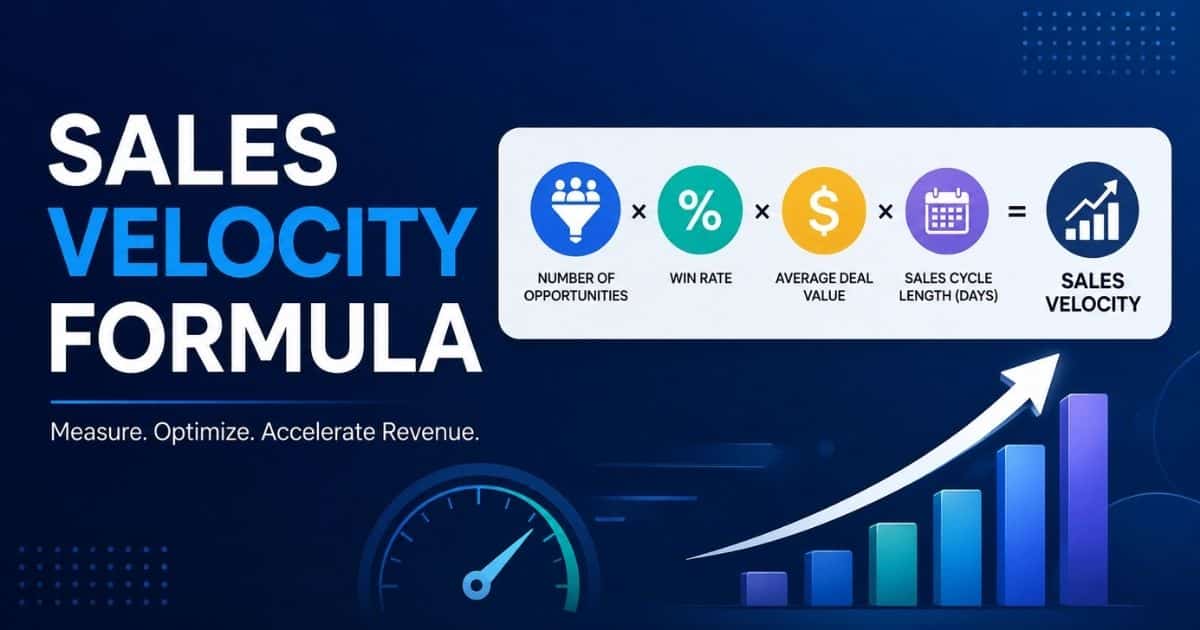
Deal velocity measures how quickly opportunities move through stages, while stage duration highlights bottlenecks. Research shows that deals exceeding standard stage timelines are 35 percent more likely to be lost. Tracking these metrics enables teams to identify risks tied to delays and operational inefficiencies. Real-world examples, such as a SaaS team that used Gain.io to close deals faster with a streamlined sales process, show how disciplined velocity tracking can transform outcomes. Regular audits of stage movement help uncover issues that require risk transference or process adjustments. With continuous improvement and employee training, teams can reduce delays, strengthen deal flow, and maintain better control over pipeline progression.
Win Rate Versus Risk Score Correlation
Analyzing win rates against risk scores provides insight into deal quality and decision-making. Companies that align win rates with risk scoring models see up to 25 percent improvement in close rates. High-risk deals often show lower win probability, which supports risk avoidance strategies. In some cases, teams may choose risk acceptance when potential value justifies exposure. This KPI helps refine mitigation strategies, improve due diligence practices, and ensure that resources are allocated to deals with the highest success potential.
Forecast Accuracy And Variance Tracking
Forecast accuracy measures how closely predicted revenue matches actual outcomes, while variance tracking identifies gaps. Organizations that monitor these metrics regularly report up to 30 percent improvement in forecasting performance. Variance often signals gaps in risk assessment, weak due diligence, or a lack of contingency plans. Regular audits help identify patterns and support continuous improvement. Strong forecasting discipline also reduces uncertainty and enables better planning across teams, improving overall deal risk management effectiveness.
Pipeline Conversion Rates By Risk Level
Conversion rates segmented by risk level reveal how risk impacts deal progression. Studies indicate that low-risk deals convert at rates up to 2 times higher than high-risk opportunities. This metric helps teams evaluate mitigation strategies and refine risk transference decisions. It also supports employee training by highlighting patterns that lead to success or failure. Continuous improvement efforts based on this data enable better decision-making and stronger pipeline performance, ensuring that risk management strategies remain aligned with business goals.
Technology Stack For Deal Risk Management
A strong technology stack enables precise deal risk management and faster decision-making. Companies that invest in integrated tools improve pipeline visibility by up to 35 percent and respond to risks quickly using data analytics, automation, and real-time insights.
CRM Systems As The Single Source Of Truth
CRM systems form the foundation of deal risk management by centralizing all deal data. Over 90 percent of high-performing companies rely on sales pipeline CRM to improve visibility and performance and to track opportunities, interactions, and pipeline health. Accurate data analytics within CRM systems support better decision-making processes and help teams make informed decisions. They also reflect market conditions, buyer activity, and internal updates in one place. When CRM data is clean and consistent, teams gain visibility into risks and can respond with confidence, improving overall control and forecasting accuracy.
Revenue Intelligence And Deal Inspection Platforms
Revenue intelligence platforms enhance visibility by analyzing deal activity and performance patterns. These tools use data analytics to capture signals from emails, calls, and meetings, providing deeper insights into deal health. Companies that adopt such platforms report up to 20 percent higher win rates. They help identify gaps in decision-making processes and highlight risks tied to stakeholder engagement or market trends. With better sales visibility into deals and activities, teams can align actions with consumer preferences and respond to changes in market conditions more effectively.
AI-Driven Risk Prediction And Scoring Tools
AI-driven tools use machine learning to predict deal outcomes and assess risk levels. These systems analyze historical data, engagement signals, and behavioral patterns to assign risk scores. An AI sales assistant for pipeline efficiency can surface these insights directly in the workflow. Organizations using AI-based scoring improve forecast accuracy by up to 30 percent. Machine learning models adapt to changing market trends and evolving consumer preferences, making predictions more reliable over time. This enables faster decision-making and supports informed decisions by highlighting deals that require attention or intervention.
Data Enrichment And Buyer Intent Platforms
Data enrichment platforms enhance deal records with external insights such as company size, industry trends, and buyer intent signals. These tools help teams understand market conditions and align strategies with consumer preferences. Studies show that enriched data can increase conversion rates by up to 25 percent. For startups and lean teams, pairing enrichment with a CRM for startups and small sales teams ensures that insights are actually used in daily execution. Strong data analytics capabilities allow teams to detect early signs of risk and adjust their approach. With better context, sales teams improve decision-making processes and reduce uncertainty across the pipeline.
Workflow Automation And Alerting Systems
Automation tools streamline deal management by triggering alerts based on predefined conditions. These systems notify teams when risks arise, such as inactivity or sudden changes in engagement. Companies that use automation report up to 20 percent improvement in response time. Automation reduces manual effort and ensures consistency in decision-making processes. A simpler sales workflow inside your CRM makes it easier to embed these automated alerts into everyday activity. It also helps teams stay aligned with market trends and respond quickly to shifts in market conditions. As technological advancements continue to evolve, automation plays a key role in maintaining control and improving deal outcomes.
Deal Inspection And Forecasting Best Practices
Strong inspection and forecasting practices improve deal risk management and revenue predictability. Companies with disciplined forecasting processes achieve up to 32 percent higher accuracy and better alignment with business objectives, financial stability, and long-term success.
Structured Weekly Deal Review Cadence
A consistent weekly review cadence strengthens visibility and control across the pipeline. Teams that conduct structured reviews improve forecast accuracy by up to 25 percent. Regular reviews support strategic planning by identifying gaps, risks, and opportunities tied to each deal. They also improve operational efficiency by ensuring timely follow-ups and clear accountability. When teams track deals from lead to close in a structured way, these reviews become more actionable and data-driven. This approach helps maintain financial stability and supports better alignment with business objectives, leading to stronger deal outcomes and improved customer satisfaction.
Standardized Forecast Categories And Definitions
Standardized forecast categories create consistency in how deals are evaluated and reported. Without clear definitions, teams often misclassify deals, leading to inaccurate projections. Companies that use standardized frameworks see up to 20 percent improvement in forecast reliability. Combining these categories with well-defined sales performance metrics for SaaS teams further sharpens how leaders interpret risk and opportunity. Clear categories support better strategic planning and enable leaders to align forecasts with business objectives. They also contribute to cost savings by reducing errors and improving resource allocation. Consistency in definitions ensures that teams operate with shared expectations, strengthening cultural alignment across departments.
Leadership Visibility Into Deal Health Metrics
Leadership visibility into deal metrics plays a pivotal role in improving forecasting outcomes. When leaders have access to real-time data, they can make faster and more informed decisions. Studies show that organizations with strong visibility achieve up to 18 percent higher revenue growth. Access to deal health metrics supports better strategic planning and helps leaders align actions with core competencies. It also enhances operational efficiency and ensures that decisions contribute to long term value and sustainable growth.
Eliminating Bias In Forecast Submissions
Bias in forecasting can lead to inaccurate projections and poor decision-making. Nearly 70 percent of forecast errors are linked to subjective judgment rather than data. Eliminating bias requires structured processes, clear criteria, and reliance on data-driven insights. This improves financial stability by aligning forecasts with actual deal performance. It also supports cost savings by reducing overestimation and underestimation. Data-driven forecasting helps organizations maintain a competitive edge and ensures that decisions align with long-term success.
Aligning Sales And RevOps On Forecast Assumptions
Alignment between sales and RevOps is critical for accurate forecasting. When both teams share the same assumptions, companies report up to 19 percent faster revenue growth. Alignment ensures that forecasts reflect real deal conditions and support business objectives. It also strengthens cultural alignment and improves collaboration across many teams. This coordination enhances operational efficiency and supports sustainable growth. In complex scenarios such as post merger integration, aligned forecasting ensures consistency, reduces confusion, and helps organizations achieve long term value and customer satisfaction.
Common Deal Risk Management Mistakes To Avoid
Avoiding common mistakes in deal risk management improves control and protects revenue outcomes. Studies show that nearly 60 percent of forecast gaps come from process failures and poor visibility, not market conditions or external risk factors.
Over Reliance On Gut Based Deal Assessment
Many teams still depend on intuition instead of data during deal work. While experience has value, relying only on gut feeling increases risk and leads to inaccurate forecasts. Research indicates that companies using data-driven methods achieve up to 25 percent higher deal closes. Gut-based assessment often overlooks key areas such as stakeholder alignment, buyer intent, and engagement quality. To stay ahead, teams must use structured evaluation methods that reduce uncertainty and improve consistency across many deals and many teams.
Lack Of Consistent Deal Inspection Processes
Inconsistent inspection creates blind spots in the pipeline. Without a repeatable process, companies struggle to identify risk early and maintain deal control. Nearly 50 percent of missed targets are linked to weak inspection practices. A consistent approach plays a pivotal role in evaluating deal health, tracking progress, and addressing issues before they escalate. It also ensures that each deal receives equal attention, regardless of size or stage, making it a critical component of effective deal risk management.
Ignoring Early Warning Signals In Pipeline
Early warning signals often appear as inactivity, delayed responses, or reduced engagement. Ignoring these signals increases the likelihood of deal failure. Studies show that deals with no activity for more than two weeks are 35 percent less likely to close. Identifying these patterns allows teams to act quickly and reduce risk. Companies that monitor signals closely can seize opportunities to re-engage buyers and prevent deals from slipping, improving overall performance across many deals.
Poor Data Hygiene And CRM Discipline
Poor data quality limits visibility and weakens decision-making. When CRM systems contain outdated or incomplete data, teams cannot track deal progress accurately. Around 40 percent of companies report data quality issues as a major challenge in deal management. Clean and updated data is a critical component for tracking risk, measuring performance, and improving outcomes. Applying best practices to track deals from lead to close reinforces this discipline. Strong CRM discipline helps teams stay ahead, improve deal closes, and ensure that all key areas of the pipeline are properly managed.
Misalignment Between Sales And RevOps Teams
Misalignment between sales and RevOps creates confusion and inconsistent execution. When teams operate with different assumptions, risk increases and forecasts become unreliable. Companies with strong alignment report up to 19 percent faster revenue growth. Alignment plays a pivotal role in ensuring that all teams work toward shared goals and consistent processes. It also supports better coordination across many teams, reduces friction, and strengthens overall business performance by improving deal outcomes and helping teams move confidently toward the next deal.
Gain.io For Deal Risk Management And Deal Control
Gain.io strengthens deal risk management by providing clear visibility into pipeline health, deal activity, and hidden risk factors. As an all-in-one CRM to grow your sales and team, it centralizes customer data, workflows, and risk signals in a single, easy-to-use platform. Companies using structured deal inspection platforms report up to 25 percent improvement in forecast accuracy and faster deal closes. Gain.io helps teams identify risks such as regulatory risks, compliance gaps, and potential vulnerabilities that often go unnoticed in complex deal cycles.
The platform supports better decision-making with data-driven insights, helping teams reduce human error and improve consistency across many deals. It's smart CRM tools for sales teams consolidate tasks, notes, and communication so risk signals are never lost. It also highlights financial signals tied to the balance sheet and flags risks that may disrupt operations if ignored. By surfacing potential outcomes based on deal behavior and engagement trends, Gain.io enables proactive action and stronger control.
As a critical component of modern revenue operations, Gain.io helps teams manage risk effectively, improve visibility, and drive predictable growth with greater confidence by enabling disciplined sales deal tracking across the entire pipeline.
FAQs
How Does Deal Risk Scoring Improve Forecast Accuracy In Complex Sales Cycles?
Deal risk scoring assigns probability based on engagement, stage movement, and historical outcomes. Companies using scoring models report up to 30 percent higher forecast accuracy. It reduces guesswork, highlights weak deals early, and supports consistent decision-making across complex cycles with multiple stakeholders and long timelines.
What Data Signals Are Most Reliable For Predicting Deal Failure?
Key signals include low engagement, delayed responses, reduced meeting frequency, and stalled stage progression. Studies show deals with declining activity are 2 times more likely to fail. Combining these with data analytics and historical benchmarks improves accuracy in identifying failure risks early in the pipeline.
How Can Sales Leaders Reduce Late Stage Deal Slippage Risk?
Leaders can reduce slippage by enforcing strict deal inspection, validating stakeholder alignment, and reviewing contract readiness early. Around 25 percent of deals slip due to late-stage surprises. Regular audits, clear timelines, and proactive follow-ups help maintain control and protect forecast commitments.
What Role Does Stakeholder Mapping Play In Deal Risk Reduction?
Stakeholder mapping reduces dependency on a single contact and improves deal stability. Deals with multiple engaged stakeholders show up to 35 percent higher close rates. It ensures alignment, uncovers hidden objections, and minimizes risk tied to internal changes or decision delays.
How Can AI Improve Deal Inspection And Risk Visibility?
AI improves inspection by analyzing patterns across large datasets using machine learning. It identifies hidden risks, predicts outcomes, and flags anomalies in real time. Companies using an AI sales assistant to enhance pipeline efficiency gain faster visibility, reduce human error, and improve decision-making with more reliable data signals.