AI sales insights represent a significant shift in how revenue teams approach pipeline management and deal execution. Artificial intelligence now processes structured and unstructured data from sales calls, emails, and CRM entries to surface valuable insights that guide daily selling decisions. According to a 2025 McKinsey report, organizations deploying AI tools for sales achieve 15 to 20 percent revenue uplifts through improved forecasting and prioritization.
Gartner’s 2025 Sales Technology Survey reveals that 62 percent of sales leaders cite data overload as their top barrier to performance. This underscores why sales teams need AI to extract signals from noise, transforming raw sales data into actionable intelligence that drives revenue growth and stronger customer relationships.
What Is AI Sales Insights
AI sales insights consist of data-driven signals generated by machine learning models that analyze CRM records, call transcripts, email threads, and behavioral data to deliver prioritized recommendations. Unlike static dashboards showing historical metrics, these insights use natural language processing for sentiment analysis and predictive models for pattern recognition. In practical terms, they guide sales reps by surfacing next best actions, such as which deals need immediate attention or which prospects show buying intent.
Sales insights refer to the profound understanding and analysis of a company’s sales data, customer behaviors, and market trends, which guide businesses in refining their strategies and enhancing customer relationships. AI tools process historical data, customer interactions, and market trends to provide actionable intelligence that moves beyond simple reporting.
AI Sales Insights And Today’s Sales Challenges
Modern businesses rely on AI in sales to manage growing customer expectations, improve forecasting accuracy, and make faster decisions across competitive markets and complex sales environments daily.
- AI-powered platforms use sales analytics, data analytics, and multiple data points to improve visibility across every stage of the sales funnel.
- Sales AI helps teams generate actionable insights by analyzing historical data, customer behavior, and buying patterns in real time.
- Better customer segmentation allows businesses to personalize outreach, improve customer satisfaction, and strengthen long-term relationships with high-value accounts.
- Customer sentiment analysis gives sales leaders clearer data-driven insights into buyer concerns, objections, and engagement quality during conversations.
- AI in sales also supports smarter forecasting, pipeline management, and faster decision-making with predictive recommendations based on real-time market activity.
How AI Sales Insights Directly Solve Core Sales Challenges
This section maps six specific sales challenges to concrete AI-powered solutions. Each subsection focuses on outcomes that sales managers and sales representatives can measure within their existing workflows, from forecasting dashboards to conversation intelligence platforms.
Improving Sales Forecasting Accuracy With Predictive Insights
Machine learning models ingest historical opportunities, seasonality patterns, win-loss data, and activity signals to generate probabilistic forecasting curves. These models analyze hundreds of thousands of opportunities to identify which deal characteristics predict successful closes versus stalls.
AI’s ability to leverage vast amounts of data can significantly reduce the margin of error in sales forecasts, helping teams to identify potential risks and anomalies early. Clari’s 2025 benchmarks show 18 to 25 percent accuracy improvements over traditional methods, while Gartner’s 2024 study cites 12 to 20 percent lifts for organizations using predictive analytics.
AI powered sales forecasting tools can alert teams to at-risk deals, allowing them to respond proactively to potential losses and adjust their strategies accordingly. Deals with fewer than three touches in 14 days or negative sentiment scores trigger early warnings, enabling managers to intervene weeks before quarter end. Color-coded pipeline health indicators and side by side comparisons of rep forecasts versus AI predictions make these insights immediately actionable in daily reviews.
Prioritizing High Value Leads To Lift Conversion Rates
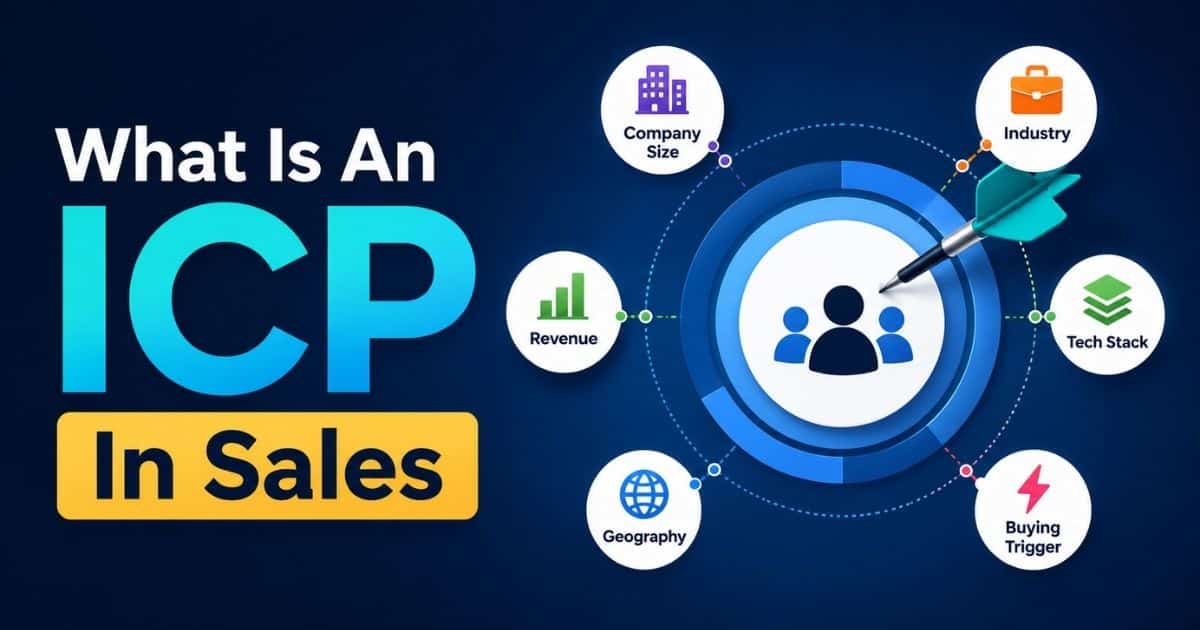
AI powered lead scoring combines engagement data, firmographics, and past deal patterns to rank leads and accounts by likely conversion. AI-powered lead scoring algorithms analyze data to identify patterns and attributes of leads that have converted in the past, allowing for more accurate scoring and qualification of new leads.
A B2B SaaS team reordering daily call lists so reps spend 70 percent of time on accounts with over 40 percent modeled win probability saw conversion rates improve 22 percent over six months. Outreach’s 2025 benchmarks show 30 percent pipeline growth from systematic lead prioritization, similar to how one Gain.io sales acceleration case study documented faster deal cycles and higher win rates after standardizing pipeline management.
AI systems can learn from past interactions and outcomes, continuously refining their scoring and qualification models to enhance performance over time. By understanding each lead’s unique needs and preferences, AI enables sales teams to craft more personalized outreach strategies, improving conversion rates.
Key signals the model evaluates include website intent data such as pricing page visits, email reply timing, LinkedIn interactions, demo requests, and product usage patterns.
Shortening Sales Cycles By Removing Pipeline Bottlenecks
AI sales tools analyze deal timelines across thousands of opportunities to pinpoint where stages typically stall for different segments or products. This data analysis reveals patterns invisible in manual reviews.
One example: identifying that proposals for mid-market customers in a specific region spend 35 percent longer in legal review triggered updated playbooks and pre-vetted templates. A Coupler.io case study documented 19 percent shorter sales cycles after mapping and addressing these bottlenecks.
AI agents automate routine tasks like follow-up reminders, proposal drafting, and stakeholder mapping. By automating routine sales tasks, sales reps can focus on building relationships and closing deals rather than on administrative work. This intelligent automation keeps momentum without adding administrative burden to already stretched teams.
Elevating Sales Performance Through Coaching Insights
Conversation intelligence applies natural language processing to call recordings, analyzing talk listen ratios, objection types, competitor mentions, and phrase patterns that correlate with successful deal outcomes.
AI can analyze vast datasets in real time, identifying patterns and trends that may not be immediately apparent to human analysts, thus enhancing data analysis in sales. Teams using AI-based call analysis see 12 to 18 percent improvements in win rate and 30 percent reductions in ramp time, according to Gong’s 2025 benchmarks.
AI-powered tools can create intuitive dashboards that visualize key performance indicators, making it easier for sales leaders to track progress and identify areas for improvement. Managers receive weekly insights showing which reps discount most, who struggle with late-stage objections, and which phrases boost sales performance.
A practical coaching workflow powered by AI includes flagging calls with specific patterns, generating conversation summaries, creating personalized coaching plans, and tracking outcome changes over 60 to 90 days.
Strengthening Customer Relationships And Satisfaction
AI surfaces customer health scores by combining product usage, support tickets, NPS data, and renewal dates. This allows sales representatives to reach out proactively before churn risk escalates.
AI enables hyper-personalized communications and faster response times, enhancing customer engagement. AI-driven personalization allows sales teams to tailor every interaction to the individual needs and preferences of prospects, enhancing the overall sales experience and increasing the likelihood of conversion.
In SaaS implementations, AI led retention plays reduced churn by 15 to 22 percent according to Clari 2025 data. One specific case documented an 18 percent churn reduction through usage triggers offering tailored expansion offers.
AI enhances customer experience by providing instant, personalized, and relevant interactions, whether through chatbots, personalized emails, or tailored recommendations, leading to higher satisfaction and loyalty. Chatbots and virtual assistants handle initial customer inquiries and lead qualification, freeing account teams for strategic conversations. By leveraging sales insights, businesses can enhance customer relationships through personalized experiences, which strengthens customer loyalty and satisfaction.
Aligning Sales Strategy With Real-Time Market Signals
AI monitors external signals including industry news, hiring patterns, technology stack changes, and competitor announcements to suggest updated targeting and messaging strategies.
An industrial supplier using AI to detect regional demand spikes and reallocating field reps saw 14 percent quarter over quarter revenue gains according to Crunchbase 2025 analysis. These real time insights allow sales leaders to refine sales strategy, territory design, and quota distribution quickly rather than waiting for quarterly reviews.
This market intelligence feeds into planning cycles at multiple levels: annual territory redesign, quarterly quota adjustments based on AI simulations, and monthly messaging pivots responding to emerging market trends.
Key Types Of AI Sales Insights Revenue Teams Can Use Today
Modern sales organizations rely on a mix of descriptive, diagnostic, predictive, and prescriptive insights. This section focuses on the most practical categories for sales professionals, mapped to familiar dashboards and workflows in customer relationship management systems.
Pipeline Health And Deal Risk Insights
AI scores each opportunity for deal health based on engagement cadence, buying committee depth, budget signals, and historical stage conversion rates. A visual pipeline scatterplot showing deals by value versus risk helps teams decide where to focus before month or quarter end.
Organizations using these insights reduced slipped deals by 27 percent across two consecutive quarters by rescuing at risk opportunities early.
Account Propensity And Expansion Insights
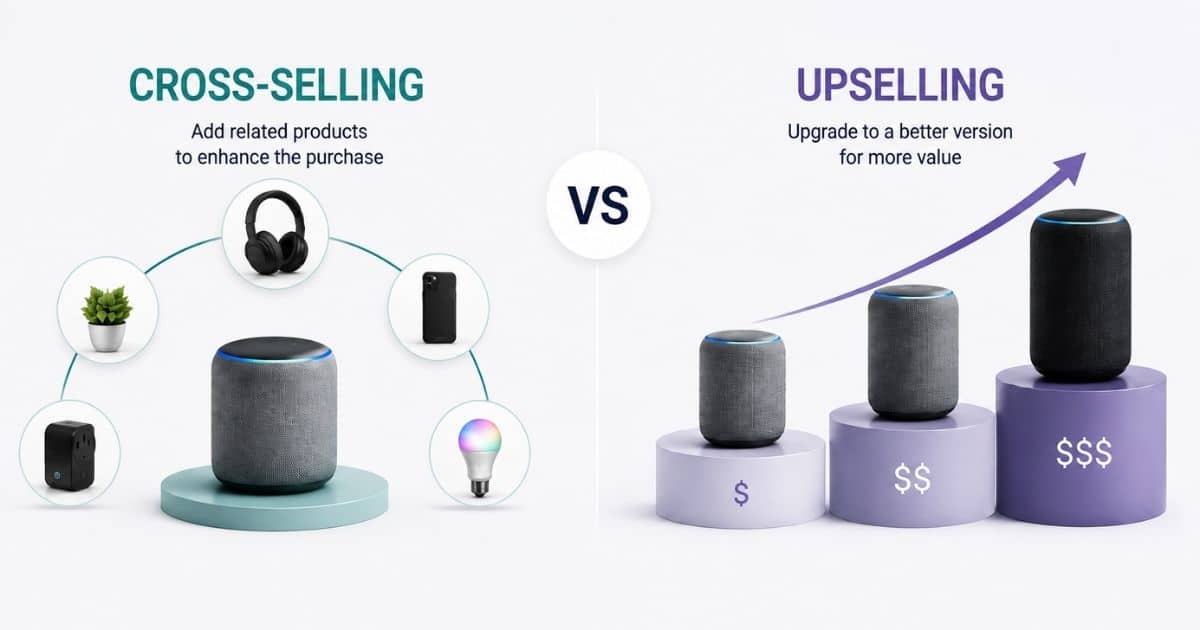
Predictive models estimate which existing customers are likely to buy additional products or expand contract value based on product usage, industry benchmarks, and similar customer journeys.
Targeting top decile expansion accounts led to 25 percent increase in upsell revenue within six months in one documented implementation.
Propensity Score Band | Recommended Action |
|---|---|
80 to 100 | Immediate outreach |
60 to 79 | Nurture campaign |
Below 60 | Monitor quarterly |
Behavioral And Intent Insights Across Channels
AI unifies website visits, email engagement, content downloads, and event attendance into a single intent score for each contact and account. Sales development teams receive daily lists of high intent accounts with specific content viewed, enabling AI sales assistants to enhance pipeline efficiency through personalized outreach that improves response rates by 35 percent.
Intent signals correlate with 2.5x higher opportunity creation according to Improvado data, making lead generation more efficient for resource constrained teams.
Pricing And Discounting Insights
AI analyzes historical deals to reveal which discount levels and pricing structures actually improve win rates versus those that only erode margin. Maintaining a healthy sales pipeline that actually works depends on this kind of pricing discipline. Analysis of 10,000 deals showed 10 to 15 percent discounts optimal, adding 8 percent to win rates while reducing margin by only 2 percent. Discounts of 25 percent added 12 percent to win rates but reduced margin by 15 percent.
Organizations can make faster, data driven decisions regarding pricing, inventory, and market opportunities using AI. Revising discount bands after this analysis held average selling price steady while conversions rose 11 percent over three quarters.
Territory And Capacity Planning Insights
AI combines past performance, market size, and rep capacity data to propose balanced territories and realistic quotas. Sales leaders can simulate changes like moving accounts or adding headcount in a sales pipeline CRM built for visibility and immediately see forecasted impact on coverage and revenue.
This delivers operational benefits: fewer overloaded reps, more equitable opportunity distribution, and clearer expectations for sales managers across regions.
Data Foundations That Make AI Sales Insights Trustworthy
AI insights are only as good as the data underneath them. Poor data quality remains one of the top reasons AI sales projects underperform, with Forrester estimating 40 percent of initiatives fail due to data issues.
Clean CRM And Activity Data As A Baseline
Consistently captured fields like opportunity stage, value, close date, and contact roles are critical inputs for training accurate forecasting and lead scoring models. Implementing simple guardrails such as required fields, standardized picklists, and periodic data hygiene reviews prevents drift.
One organization found missing close dates and inconsistent stages distorted early AI forecasts by 22 percent. Cleanup efforts boosted accuracy to 82 percent within one quarter.
Unified Customer Views Across Tools
Connecting CRM, marketing automation, support platforms, and product analytics gives AI models a complete picture of each customer. Identity resolution and consistent account hierarchies help avoid double counting and fragmented insights across global sales teams.
Integration architecture should funnel data from all systems into a central layer that AI models access for unified analysis of customer data.
Clear Data Governance And Access Policies
Formal governance is essential for privacy, security, and compliance when analyzing sales conversations and customer behavior. A cross functional data council including sales, RevOps, IT, and legal should approve new data sources and AI use cases.
Poorly governed AI creates reputational and legal risk. Organizations need documented consent processes to achieve 80 percent or higher coverage for call recording analysis.
Continuous Feedback Loops Into AI Models
Human feedback on AI recommendations helps models improve over time. AI systems can learn from past interactions and outcomes, allowing them to refine their personalization models continuously, which enhances their performance over time.
Sales teams should treat AI scores as hypotheses, validating them against real deal outcomes each quarter. Practical feedback mechanisms include in app rating buttons, weekly calibration sessions, and structured quarterly reviews.
Measurement Standards For AI Driven Sales Insights
Defining baseline metrics before rollout enables controlled comparison. Track average conversion rates, sales cycle length, and forecast accuracy before AI adoption.
Running experiments where some teams use AI insights while control groups do not provides clear evidence of impact. Monitoring both leading indicators like adoption and usage alongside lagging indicators like revenue and win rates ties AI initiatives directly to sales outcomes.
Practical Use Cases Of AI Sales Insights Across The Funnel
Full funnel applications demonstrate how AI supports sales professionals at every stage, from initial prospecting through renewal. These use cases show measurable impact within existing sales operations.
Top Of Funnel Prospecting And Qualification
AI automatically builds and prioritizes target account lists using firmographic filters, intent signals, and historical win patterns. AI sales automation agents handle routine tasks such as researching accounts, enriching contact data, and drafting first touch outreach emails.
AI reduces manual, repetitive tasks by automatically logging interaction data in CRMs and creating reports. This automation of sales admin tasks frees sales development reps to focus on conversations rather than research.
After AI driven prioritization, teams typically see reply rates increase 28 percent and meeting set rates improve 35 percent.
Mid Funnel Opportunity Management And Collaboration
AI insights surface missing stakeholders, misaligned timelines, and low engagement opportunities while there is still time to correct course. Sales, marketing, and solutions teams collaborate around shared opportunity workspaces enriched with AI recommendations for content, champions, and next steps.
Dynamic playbooks triggered by AI insights helped one organization standardize sales deal tracking and successful deal execution across regions, reducing variance in sales processes by 22 percent.
Late Stage Negotiation And Closing Support
AI tools that analyze past negotiations suggest optimal concession strategies, pricing bands, and timelines for similar deal profiles. AI summarization of all prior customer interactions helps reps go into final calls fully briefed, improving confidence and reducing last minute surprises by 30 percent.
These capabilities directly support closing deals faster while protecting margins.
Post Sale Expansion And Renewal Intelligence
AI driven health scores and product adoption analysis highlight customers likely to renew, expand, or churn months in advance. Proactive renewal playbooks triggered by risk alerts, such as usage dropping below threshold or key champions changing roles, enable timely intervention and strengthen contact management and customer relationships.
Recurring revenue businesses using AI led retention programs decreased churn 20 percent and increased net revenue retention to 115 percent.
Revenue Operations And Strategic Planning
RevOps teams use AI sales insights to optimize territory design, capacity plans, and channel mix for the next fiscal year. Improved sales visibility lets AI stress test various planning scenarios including headcount changes, price adjustments, and new product launches before leadership commits resources.
Predictive analytics platforms and modern sales pipeline software optimize inventory levels by predicting high demand items, ensuring sales teams have what they need to forecast future sales trends accurately.
Change Management For Adopting AI Sales Insights At Scale
Technology alone does not solve sales challenges. Successful adoption balances productivity gains with trust and transparency, requiring attention to people and process alongside tools.
Building Trust And Transparency With Sales Teams
Address common concerns among reps, such as fear of surveillance or replacement, through openness about how models work and what data they access. Show side by side results comparing rep judgment versus AI suggestions early in pilots so sellers see where AI adds value.
Position AI as a coach and co pilot that frees time for relationship building rather than a scoring tool used only for inspection.
Designing Training Programs Around Real Workflows
Training should be contextual and role specific, showing account executives, SDRs, and sales managers exactly how AI fits into their daily routines inside a B2B sales CRM. Use real opportunities and live dashboards in enablement sessions rather than generic demos.
Measure post training adoption through usage metrics and feedback surveys within 30 to 60 days.
Aligning Incentives And Metrics With AI Usage
Tie parts of compensation plans or SPIFs to behaviors that reflect thoughtful use of AI insights, not just raw activity volume. Avoid punishing reps when AI scores differ from their intuition; encourage explanation and joint learning instead.
One example: a quarterly incentive that rewards accurate self forecasting aligned with AI driven projections.
Collaborating Across Sales, Marketing, And Customer Success
AI sales insights become more powerful when all go to market teams contribute data and act on shared dashboards, whether in B2B or retail CRM environments. Create cross functional insights councils that meet monthly to review future sales trends, adjust plays, and agree on experiments.
Sales insights provide actionable information that helps businesses align their strategies with market demands and customer needs, leading to more effective sales campaigns and initiatives.
Managing Risk, Compliance, And Ethical Use Of AI
Handle sensitive data in regions with strict regulations through consent management and data minimization. Document policies on acceptable AI use, including guidelines for automated messaging and call recording analysis.
Streamlining processes with AI can lead to significant financial savings for businesses, but implementing AI driven sales tools provides several benefits including increased productivity and revenue, better customer experience, improved strategic decision making, and reduced operational costs only when governance is sound and supported by the right CRM platform choice, such as comparing Gain.io vs Salesforce.
More than three quarters (78 percent) of B2B organizations have adopted AI for sales, but fewer than half fully utilize these tools to enhance sales performance. Proper change management closes this gap.
Why Gain.io Focuses On Actionable AI Sales Insights
Gain.io’s all-in-one CRM mission centers on turning fragmented sales data into clear, actionable guidance that helps revenue teams close more business with less guesswork. The platform emphasizes unifying conversations, CRM signals, and customer engagement into a single view that allows sales teams operate with full visibility into their pipeline.
Gain.io focuses on smart CRM features for sales teams that matter most to sales leaders: trustworthy sales forecasting, prioritization of high intent accounts, and insights that support coaching and strategic planning. The approach to data privacy and governance, including SOC2 compliance and privacy focused architecture, ensures customers can adopt AI sales tools with confidence while maintaining competitive edge in their markets.
Frequently Asked Questions
How Long Does It Typically Take To See Results From AI Sales Insights?
Organizations with reasonably clean CRM data often see early improvements in activity focus and short term forecasts within 30 to 60 days of deployment. Material changes in win rate, sales cycle length, and net revenue typically become visible over two to four quarters as models learn from outcomes and teams adjust their behavior based on data driven decisions.
Do Smaller Sales Teams Benefit From AI Sales Insights As Much As Large Enterprises?
Smaller teams benefit significantly because AI automates routine tasks and analytics they lack headcount to perform manually, such as systematic pipeline risk reviews or granular lead scoring. SMBs should start with focused use cases like improving inbound lead qualification or basic sales forecasting rather than attempting complex custom models immediately. This allows sales professionals save time while building toward more sophisticated applications.
What Skills Do Sales Leaders Need To Effectively Use AI Sales Insights?
Leaders do not need data science backgrounds but should be comfortable interpreting dashboards, asking critical questions about model outputs, and running experiments based on insights within a simpler sales CRM workflow. Developing foundational skills in data literacy, change management, and cross functional collaboration with RevOps teams positions leaders to drive revenue growth through AI adoption.
How Do AI Sales Insights Affect The Role Of Individual Sales Reps?
AI shifts the rep role toward higher value activities, including deeper discovery, strategic account planning, and relationship building while offloading research, data entry, and basic follow ups. Modern AI tools paired with CRM lead management workflows work most effectively as personal assistants and coaches rather than monitoring systems, helping boost sales performance through better automation of repetitive sales tasks, preparation, and prioritization.
What Are Early Warning Signs That AI Sales Insights Are Not Working As Intended?
Practical red flags include declining rep trust in scores, forecasts consistently missing by wide margins, or insights that contradict on the ground reality without clear explanation. Corrective steps include reviewing data quality, checking which signals models rely on, and gathering structured feedback from front line teams. Regular calibration sessions help recalibrate the system before minor issues become major obstacles to adoption.