Bad CRM data creates bigger problems than most businesses realize. Duplicate contacts, missing details, outdated records, and messy pipelines can hurt sales, marketing, and customer relationships. Teams waste hours fixing errors instead of closing deals or helping customers. Over time, poor data quality also affects forecasting, reporting, and decision-making.
A proper CRM data cleanup process helps businesses keep customer records accurate, organized, and useful. It improves team productivity and makes every sales and marketing effort more reliable. But cleanup is not only about deleting bad data. A strong process also helps prevent future issues and keeps your CRM healthy as your business grows.
This guide covers everything you need to know about CRM data cleanup, from audits and deduplication to automation, governance, and long-term data hygiene.
What Is A CRM Data Cleanup Process
A CRM data cleanup process is the method businesses use to fix, organize, and maintain customer data inside a CRM system. It helps remove duplicate records, correct data entry errors, and update outdated records. Many companies deal with dirty data, missing fields, invalid data, and improperly formatted data every day. Bad CRM data affects marketing and sales campaigns, customer relationships, and business intelligence. Clean CRM data improves data quality and helps sales teams work with accurate data.
A proper CRM data cleanup process also supports better CRM data management and stronger data governance. Teams can identify duplicate records, standardize data, and maintain a consistent format across the entire database. CRM data cleansing also helps remove unnecessary data and incomplete data from contact records and existing records.
Strong CRM hygiene keeps customer information accurate, up to date, and useful for marketing efforts, sales process management, and long-term sales productivity improvement.
Common CRM Data Problems That Damage Sales, Marketing, And Reporting
Poor CRM data creates problems across every department. Sales teams that rely on CRM to manage leads effectively lose time, marketing campaigns target the wrong audience, and reports become unreliable. Many businesses also struggle with duplicate data, incomplete data, and outdated records inside the CRM database. A proper CRM data cleanup process helps fix those issues before they damage revenue and customer relationships.
Duplicate Records
Duplicate records are one of the biggest CRM data problems. The same customer may appear multiple times with different phone numbers, job titles, or email addresses. This creates confusion for sales and support teams. It also hurts data accuracy across the customer database.
Research shows duplicate entries can affect 15% to 30% of CRM records in many businesses. Sales reps may contact the same lead twice or miss important updates stored in another record. Marketing and sales campaigns also suffer because duplicate data inflates reporting and wastes budget.
Outdated Customer Information
Customer data changes constantly. People switch companies, change phone numbers, or update job titles. Old contact records quickly turn into bad data inside the CRM system. Outdated records also reduce trust in the CRM database.
Recent studies show nearly 40% of CRM data becomes outdated every year. Sales teams may reach the wrong contact or send messages to inactive accounts. Marketing campaigns also fail when customer information is not up to date. Clean CRM data helps businesses maintain accurate data and stronger customer relationships.
Incomplete Data Fields
Incomplete data creates gaps across the sales process. Missing fields like company name, industry, phone numbers, or location make customer segmentation harder. Sales reps also struggle to personalize outreach without enough data points.
Poor data quality often starts with weak data entry practices and unstructured web forms. Many businesses collect customer data without proper validation rules. As a result, CRM data fields stay empty or contain inconsistent data. Incomplete records also affect business intelligence and forecasting accuracy. Reliable CRM data management depends on complete and consistent data.
Inconsistent Data Formats
Inconsistent formatting creates serious CRM data quality issues. One team may write “United States,” while another uses “USA” or “US.” Phone numbers, addresses, and names may also appear in different formats across existing records.
Small formatting problems create larger reporting errors later. Automation tools cannot match the same data correctly when fields use different structures. Data matching becomes difficult, and duplicate records increase. Standardize data formats during the data cleansing process to maintain clean data and consistent CRM records. Proper data governance also improves long-term CRM hygiene.
Manual Data Entry Errors
Manual data entry creates many hidden CRM cleanup problems. Employees may type incorrect data, miss important fields, or upload invalid data into the CRM system. Small mistakes often spread across the entire database over time.
Research from Salesforce shows sales reps spend a large part of their time fixing bad data and searching for correct information. Incorrect data also affects marketing efforts, customer service, and reporting. Businesses can reduce data errors with native CRM features, third-party tools, and automated validation rules. Better data hygiene helps ensure data accuracy across all business processes.
How To Audit CRM Data Before Starting The Cleanup Process
A CRM data cleanup process should always begin with a proper audit. Without an audit, businesses may remove useful customer data or miss serious data quality issues. A structured review helps sales and marketing teams identify duplicate records, outdated records, and inaccurate data before the actual cleanup starts.
Check Duplicate Records
Duplicate data is one of the most common CRM data problems. The same customer may appear multiple times with different phone numbers, email addresses, or job titles. Duplicate entries confuse sales teams and damage customer relationships.
Recent industry reports show duplicate records affect nearly 20% of CRM databases worldwide. Poor data quality also costs businesses an average of $12.9 million annually, especially for teams still migrating messy contact lists from Excel into a structured CRM environment. Businesses should review contact records, CRM data fields, and account names to identify duplicates early. Data matching tools and native CRM features help detect the same data across the customer database. Early detection improves CRM data quality and reduces future data errors.
Review Missing Data Fields
Missing fields often weaken the sales process and reporting accuracy. Important customer information like industry, company size, phone numbers, or location may stay incomplete inside the CRM system. Incomplete data also limits audience segmentation for marketing campaigns.
Studies from 2025 show almost 31% of CRM records contain incomplete data fields. Sales and support teams rely on complete and accurate data to personalize communication and improve conversions. Businesses should also review web forms and manual data entry practices to understand why missing fields appear. Strong CRM data management depends on complete and consistent data across existing records.
Spot Incorrect And Invalid Data
Incorrect data creates serious CRM cleanup challenges. Small data entry errors often affect forecasting, reporting, and customer engagement. Invalid phone numbers, fake email addresses, and improperly formatted data lower trust in the CRM database.
Current data quality research shows almost 30% of business data becomes inaccurate each year due to changes in customer information, which makes disciplined customer interaction tracking in CRM essential for keeping records current. Businesses should audit contact records for spelling mistakes, invalid data, and inconsistent formatting. Third-party tools can verify customer information and improve data accuracy. A proper data cleansing process helps maintain clean CRM data across the entire database and supports better marketing and sales campaigns.
Analyze Data Sources
CRM data usually comes from multiple sources. Sales reps, web forms, marketing efforts, imports, and third-party data providers all add information into the CRM system, which is why automating repetitive sales tasks and updates becomes critical for keeping data consistent. Poor source management increases dirty data and duplicate records.
Recent surveys show businesses now use more than 15 average data sources for customer data collection. More sources often create more inconsistent data and duplicate entries. An audit should identify where bad CRM data enters the system. Businesses can review imports, automation workflows, and manual uploads to detect weak points. Better data governance improves CRM hygiene and supports long-term data quality across all business processes.
Measure Overall Data Quality
A CRM audit should end with a full data quality review. Businesses need clear metrics to understand the condition of the CRM database before the cleaning process starts. Common metrics include duplicate records, incomplete data, outdated records, invalid data, and missing fields.
Recent reports show 91% of businesses face ongoing CRM data accuracy issues. Poor data hygiene also affects business intelligence, forecasting, and marketing campaigns. Teams should measure how much clean data already exists inside the CRM system. Accurate reporting helps businesses prioritize CRM data cleansing tasks and ensure data accuracy over time. Strong CRM hygiene supports better decision-making and more reliable customer relationships.
Step-By-Step CRM Data Cleanup Process For Accurate Customer Records
A structured CRM data cleanup process helps businesses maintain accurate customer records and improve daily operations, especially when paired with a simpler, well-designed sales workflow in your CRM. Without a clear process, bad data spreads quickly across the CRM system. Proper cleanup improves data accuracy, customer relationships, reporting, and marketing and sales performance.
Step 1: Create A Full Data Backup
A CRM cleanup process should always start with a full backup of the CRM database. Data cleanup may remove duplicate records, outdated records, or unnecessary data. A backup protects existing records if mistakes happen during the cleaning process.
Recent reports show almost 32% of businesses experience accidental data loss during large-scale CRM updates. Backup copies help sales and support teams recover customer information quickly. Businesses should store backup files securely before making changes to CRM data fields. A safe backup process supports better CRM data management and long-term data hygiene.
Step 2: Remove Duplicate Records
Duplicate records create confusion across the sales process and marketing efforts. The same customer may appear multiple times with different phone numbers, job titles, or contact details. Duplicate entries also affect reporting accuracy and customer relationships.
Current CRM studies show duplicate data can reduce sales productivity by nearly 18%, and it also undermines the impact of CRM follow-up automation for better sales conversions. Businesses should use data matching tools and native CRM features to identify duplicate records across the customer database. Teams can merge duplicate entries while keeping the most accurate data. Proper CRM data cleansing improves data quality and helps maintain clean CRM data across the entire database.
Step 3: Fix Incorrect Data Fields
Incorrect data damages marketing campaigns, forecasting, and customer communication. Small data entry errors often create invalid data, inconsistent data, and improperly formatted data inside the CRM system. Poor formatting also affects automation and reporting tools.
Recent business surveys show almost 27% of CRM records contain inaccurate or outdated customer information, which highlights the value of dynamic contact management for smarter relationship tracking. Businesses should review CRM data fields for spelling mistakes, missing fields, and formatting issues. Standardize data formats for names, addresses, and phone numbers to maintain a consistent format. Clean data helps sales teams and marketing teams work with more confidence and accuracy.
Step 4: Update Missing Customer Information
Incomplete data weakens customer segmentation and business intelligence. Missing phone numbers, company details, or customer preferences reduce the value of CRM records. Sales reps also struggle to personalize outreach when important data points are missing.
Recent data quality reports show businesses lose up to 12% of potential revenue due to incomplete customer data, reinforcing how critical it is to manage contacts better and build stronger relationships. Businesses should review web forms, imports, and third-party data sources to fill missing fields. Third-party tools can also enrich customer information with up-to-date details. Accurate and complete data supports stronger marketing and sales campaigns.
Step 5: Set Data Hygiene Rules
A CRM data cleanup process does not end after one cleanup session. Businesses need strong data governance and CRM hygiene rules to prevent future data errors. Without clear rules, dirty data quickly returns to the CRM database.
Recent studies show businesses with structured data governance improve CRM data quality by more than 40%. Teams should create standards for data entry, formatting, and customer record updates. Automated validation rules also help identify duplicates and invalid data early. Strong data hygiene keeps clean CRM data accurate, consistent, and up to date across all business processes.
Best Tools And Automation Methods For CRM Data Cleanup And Deduplication
Manual CRM cleanup takes time and often misses hidden data problems. Modern tools and automation methods help businesses remove duplicate records, correct invalid data, and maintain clean CRM data faster. The right systems also improve data quality, reporting accuracy, and customer relationships across marketing and sales teams.
Native CRM Cleanup Features
Most modern CRM systems include built-in tools for CRM data cleanup and deduplication. Platforms like Salesforce, HubSpot, and Zoho CRM offer duplicate detection, automated validation rules, and data matching features. Native CRM features help businesses maintain accurate customer records without extra software.
Recent CRM industry reports show over 74% of businesses now rely on automation inside their CRM database, often starting with CRM platforms that offer deep email integration. Built-in cleanup tools can identify duplicate records, detect incomplete data, and standardize CRM data fields automatically. Businesses also reduce manual data entry errors through automated workflows. Native tools improve CRM data quality and support better data hygiene across the entire database.
Third-Party Data Cleanup Tools
Third-party tools help businesses handle large-scale CRM data cleansing more efficiently, especially when they extend into smart CRM tools for sales teams that combine cleanup, automation, and day-to-day selling workflows. Tools like DemandTools, OpenRefine, and Insycle support data matching, duplicate removal, and data standardization across multiple systems. They also improve data accuracy faster than manual cleanup methods.
Recent market data shows businesses using automated data cleansing tools reduce bad data issues by nearly 40%, which is especially valuable in complex B2B sales CRM environments for revenue teams. Third-party data platforms can enrich customer information with updated phone numbers, job titles, and company details. Many tools also detect improperly formatted data and invalid entries. Better CRM data management helps sales teams and marketing teams work with cleaner and more reliable data.
Automated Validation Rules
Validation rules help businesses stop dirty data before it enters the CRM system. Automated checks verify phone numbers, email formats, mandatory fields, and customer data accuracy during data entry. Strong validation improves CRM hygiene and reduces future cleanup work.
Recent surveys show almost 25% of CRM data errors come from manual data entry mistakes. Businesses can create rules that reject incomplete data, duplicate entries, or inconsistent data automatically. Validation systems also maintain a consistent format across CRM records and customer databases. Better automation supports cleaner data and stronger business processes over time.
AI-Powered Deduplication Tools
AI-powered systems now play a major role in CRM data cleanup. Advanced tools use machine learning to identify duplicate records even when names, addresses, or contact details look slightly different. Traditional matching tools often miss those hidden duplicates.
Current CRM automation research shows AI-based deduplication improves duplicate detection accuracy by more than 50%. AI tools also analyze data points across existing records to spot incorrect data and outdated records faster. Businesses can improve customer relationships and marketing campaigns with more accurate data. Smart automation also reduces manual review work for sales and support teams.
Automated Data Enrichment
Data enrichment tools help businesses maintain up-to-date customer information automatically. These systems pull verified details from trusted third-party data providers and update CRM records regularly. Accurate customer data improves business intelligence and marketing efforts.
Recent reports show almost 62% of B2B companies now use automated enrichment tools to improve CRM data quality. Businesses can update missing fields, correct outdated records, and standardize customer information in real time. Automated enrichment also improves lead scoring and customer segmentation. Strong data governance and continuous CRM data cleansing help maintain clean CRM data across all marketing and sales campaigns.
CRM Data Governance And Data Hygiene Best Practices For Long-Term Accuracy
A CRM data cleanup process works best when businesses maintain strong data governance and long-term CRM hygiene practices, which is just as important for startups and small sales teams choosing a simple CRM as it is for larger organizations. Without clear standards, dirty data quickly returns to the CRM database. Proper governance helps teams maintain accurate customer records, improve data quality, and support better business decisions.
Set Clear Data Entry Rules
Clear data entry rules help businesses reduce data errors and maintain consistent data across the CRM system. Without standards, sales teams may enter customer information in different formats. Inconsistent data creates duplicate records and reporting problems later.
Recent CRM research shows almost 33% of bad data comes from manual data entry issues. Businesses should create rules for phone numbers, job titles, addresses, and CRM data fields. Validation checks also help reject incomplete data and invalid data before records enter the customer database. Strong standards improve CRM data quality and support long-term data hygiene.
Assign Data Ownership
CRM data management becomes difficult when nobody owns the cleanup process. Businesses should assign responsibility for CRM data quality to specific employees or teams. Clear ownership improves accountability and reduces unnecessary data problems.
Recent surveys show businesses with dedicated data governance teams improve data accuracy by more than 40%. Data owners can monitor duplicate records, outdated records, and incomplete customer data regularly. Sales and support teams also benefit from faster issue resolution. Strong ownership helps businesses maintain clean CRM data and more reliable customer relationships over time.
Schedule Regular Data Audits
Regular audits help businesses detect bad CRM data before it spreads across the entire database. Customer information changes constantly, and outdated records appear quickly without routine reviews. A scheduled audit process improves CRM hygiene and data accuracy.
Current industry reports show nearly 25% of CRM data becomes outdated every year. Businesses should review duplicate entries, missing fields, and improperly formatted data monthly or quarterly. Third-party tools and native CRM features can automate many audit tasks. Consistent reviews help maintain clean data and support stronger marketing and sales campaigns.
Use Automated Validation Systems
Automation plays a major role in long-term CRM data cleansing. Validation systems help identify duplicate records, incorrect data, and invalid entries during data entry. Automated checks also reduce manual cleanup work for sales teams.
Recent automation studies show businesses using validation tools reduce data entry errors by almost 50%, freeing fast-moving teams and growing startups that depend on lightweight CRM tools to focus on selling instead of fixing data. Businesses can create rules for email formats, required CRM data fields, and consistent formatting. Automated alerts also help detect duplicate data and missing fields faster. Better automation supports stronger data governance and more accurate CRM records across all business processes.
Train Teams On CRM Hygiene
Employees play a major role in CRM data quality. Poor training often leads to duplicate data, incorrect data, and incomplete customer information inside the CRM system. Proper training helps teams follow data governance standards more consistently.
Recent workforce reports show businesses with regular CRM training programs experience fewer data quality issues and higher sales productivity. Teams should learn how to standardize data, avoid duplicate entries, and maintain up-to-date customer records. Training also improves awareness around CRM cleanup, customer relationships, and business intelligence. Strong team habits help businesses maintain accurate data and cleaner CRM databases long term.
Key CRM Data Cleanup Metrics To Track Performance And ROI
A CRM data cleanup process should always include performance tracking. Without clear metrics, businesses cannot measure data quality improvements or understand the return on investment. The right KPIs help teams monitor CRM hygiene, reduce bad data, and improve marketing and sales performance.
Duplicate Record Rate
Duplicate record rate measures how much duplicate data exists inside the CRM database. High duplicate rates create confusion for sales teams and damage customer relationships. Duplicate entries also reduce reporting accuracy and affect marketing campaigns.
Recent CRM reports show duplicate records increase customer acquisition costs by nearly 15%, while teams that standardize pipelines and cleanup flows, like in a sales acceleration case study using Gain.io, often see faster cycles and better ROI. Businesses should monitor how many duplicate records appear monthly and how quickly teams resolve them. Native CRM features and third-party tools can help identify duplicate records automatically. Lower duplicate rates usually lead to cleaner CRM data, better data accuracy, and stronger business intelligence.
Data Completeness Score
Data completeness measures how much customer information exists across CRM data fields. Missing fields reduce the value of customer records and weaken marketing efforts. Incomplete data also affects lead scoring and customer segmentation.
Recent industry research shows almost 30% of CRM records contain incomplete data. Businesses should track important fields like phone numbers, job titles, company details, and contact information. Complete customer data improves sales process efficiency and customer relationships. A higher completeness score also supports better CRM data management and cleaner business processes.
Data Accuracy Rate
Data accuracy rate shows how much information inside the CRM system is correct and up to date. Incorrect data creates failed outreach attempts, inaccurate reports, and weak forecasting. Bad CRM data also hurts customer trust.
Current data quality studies show businesses lose nearly 20% of revenue due to inaccurate customer data and poor data governance. Businesses should regularly review contact records, outdated records, and invalid data to maintain accurate data. Third-party data verification tools can also improve CRM data quality. Better accuracy rates support cleaner CRM records and stronger marketing and sales campaigns.
Data Entry Error Rate
Data entry error rate measures how often employees create incorrect data during manual updates. Common issues include spelling mistakes, improperly formatted data, duplicate entries, and inconsistent data. Small errors quickly spread across the entire database.
Recent workforce reports show employees spend up to 27% of their time fixing data errors and searching for correct customer information, time that could instead support customers directly in retail CRM tools that keep teams organized. Businesses should monitor CRM data fields with the highest error rates and create validation rules to reduce mistakes. Automated systems also improve data hygiene and maintain a consistent format across customer databases.
CRM Cleanup ROI
CRM cleanup ROI measures the business impact of better data quality. Businesses should compare cleanup costs with improvements in sales productivity, marketing performance, and operational efficiency. Strong CRM data cleansing often creates measurable financial gains.
Recent studies show businesses with strong data governance improve operational efficiency by more than 35%, and sectors like real estate often pair that governance with CRM tools that help agents save time. Clean CRM data helps sales and support teams close deals faster and improve customer experiences. Businesses should track conversion rates, reporting accuracy, and customer retention after CRM cleanup. Better data management supports long-term growth and more reliable business intelligence.
Common CRM Data Cleanup Mistakes Businesses Must Avoid
A CRM data cleanup process can improve data quality and business performance, but common mistakes often create new problems instead of solving old ones. Poor planning, weak data governance, and inconsistent cleanup methods can damage customer records and reduce CRM data accuracy over time.
No Data Backup Before Cleanup
Many businesses start CRM cleanup without creating a backup of existing data. That mistake can lead to permanent data loss if records are deleted or merged incorrectly. Missing backups also make recovery difficult after cleanup errors.
Recent business continuity reports show nearly 29% of companies experience data loss during system updates or migrations. Businesses should always create secure backup copies of the CRM database before starting the data cleansing process. Backup files protect customer information, contact records, and sales history. Safe CRM data management helps maintain accurate data and stronger business processes.
Removing Useful Customer Data
Some businesses remove large amounts of customer data without proper review. Important data points may disappear during duplicate removal or CRM data cleansing. Poor cleanup decisions often affect customer relationships and future marketing efforts.
Recent CRM studies show almost 21% of businesses accidentally remove valuable CRM records during large cleanup projects. Teams should carefully review duplicate records, outdated records, and inactive contacts before deletion. Data matching tools and third-party tools help identify duplicate data more accurately. Smart cleanup methods maintain clean CRM data without damaging the customer database.
Ignoring Data Entry Standards
Weak data entry practices quickly create dirty data inside the CRM system. Different teams may use different formats for phone numbers, job titles, or company names. Inconsistent data reduces reporting accuracy and weakens automation performance.
Recent surveys show manual data entry errors remain one of the biggest causes of bad CRM data worldwide. Businesses should create clear formatting rules for CRM data fields and customer information. Validation systems also help prevent invalid data and incomplete data from entering the system. Better standards improve CRM hygiene and long-term data quality.
No Ongoing Data Audits
Many companies treat CRM cleanup as a one-time task. Bad data slowly returns when businesses stop reviewing existing records regularly. Outdated records, duplicate entries, and missing fields continue to grow without ongoing audits.
Current industry reports show almost 25% of CRM data becomes outdated every year due to customer and business changes. Businesses should schedule monthly or quarterly audits to maintain clean data and accurate customer records. Native CRM features and automation tools can simplify the cleaning process. Regular audits support stronger data governance and more reliable business intelligence.
Too Much Manual Cleanup Work
Manual CRM data cleaning takes time and often creates more data errors. Employees may miss duplicate records or update customer data inconsistently across the CRM database. Large customer databases become difficult to manage without automation.
Recent CRM automation research shows businesses using automated cleanup tools improve data accuracy by nearly 40%. Third-party tools and AI-powered systems help identify duplicates, standardize data, and maintain up-to-date information faster. Automation also reduces pressure on sales and support teams. Better CRM data cleansing improves marketing and sales campaigns while supporting long-term CRM hygiene.
How Gain.io Helps Businesses Maintain Clean And Accurate CRM Data
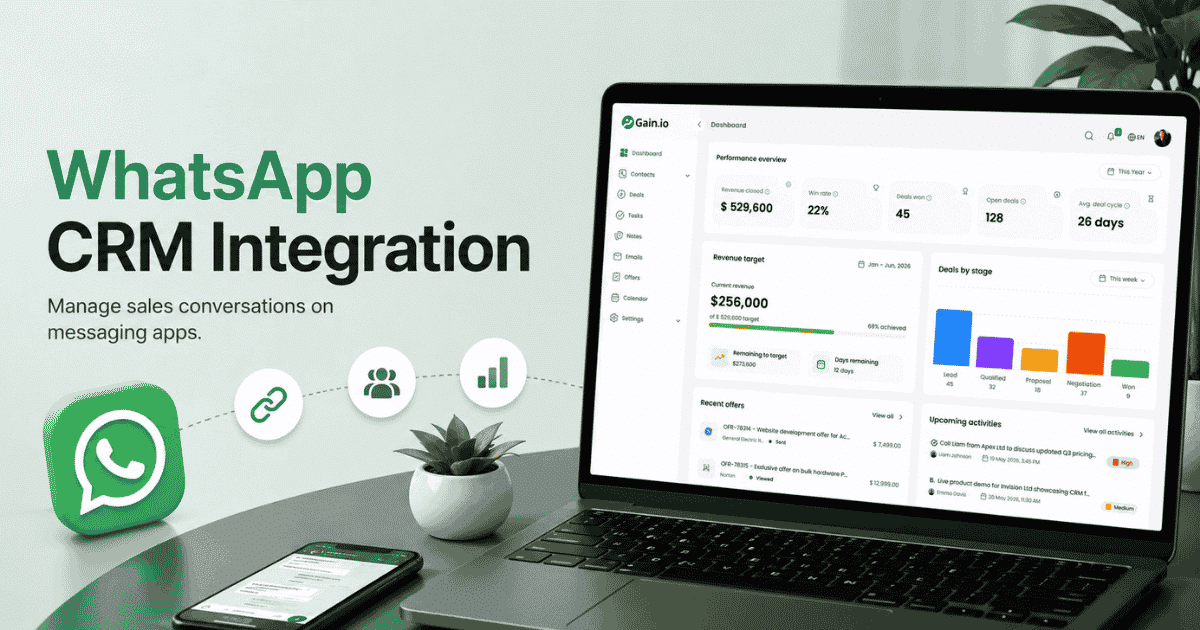
Gain.io all-in-one CRM helps businesses improve CRM data quality through structured automation, centralized workflows, and smarter data management practices. Teams can reduce duplicate records, fix inconsistent data, and maintain accurate customer information across the CRM system. The platform also supports cleaner workflows for sales and support teams by reducing manual data entry errors and improving process consistency.
Businesses can use Gain.io to standardize CRM data fields, monitor outdated records, and maintain up-to-date customer data more efficiently, whether they are migrating from Excel into a modern CRM or comparing Gain.io vs Salesforce-style enterprise CRM options. Better workflow visibility also helps teams identify data gaps before they affect marketing campaigns or reporting accuracy. With stronger CRM hygiene and automated business processes, companies can improve customer relationships, support cleaner marketing and sales operations, and maintain long-term data accuracy across the entire customer database.
FAQs
How Often Should Businesses Perform CRM Data Cleanup?
Most businesses should run a CRM data cleanup process every month or quarter. Customer data changes quickly, especially phone numbers, job titles, and contact records. Regular CRM hygiene helps maintain accurate data and prevents duplicate records from spreading across the CRM database.
Can Small Businesses Benefit From CRM Data Cleansing?
Yes, small businesses benefit greatly from CRM data cleansing. Clean CRM data improves marketing and sales campaigns, customer relationships, and reporting accuracy. Better data quality also helps smaller teams save time and reduce manual data entry errors.
Does CRM Cleanup Improve Sales Performance?
Yes, CRM cleanup can improve sales performance significantly. Accurate customer information helps sales teams personalize outreach and avoid duplicate entries or outdated records. Recent CRM studies also show businesses with strong data hygiene often close deals faster and improve forecast accuracy.
Which CRM Data Fields Need The Most Attention During Cleanup?
Businesses should focus on CRM data fields like email addresses, phone numbers, job titles, company names, and customer status. Incorrect data, missing fields, and inconsistent data formats in those areas often create reporting problems and weak customer segmentation.
Can Automation Reduce CRM Data Errors?
Yes, automation helps reduce data errors and improves CRM data quality. Validation rules, duplicate detection, and third-party tools can identify invalid data and maintain consistent data automatically. Automated CRM data management also reduces manual cleanup work for sales and support teams.