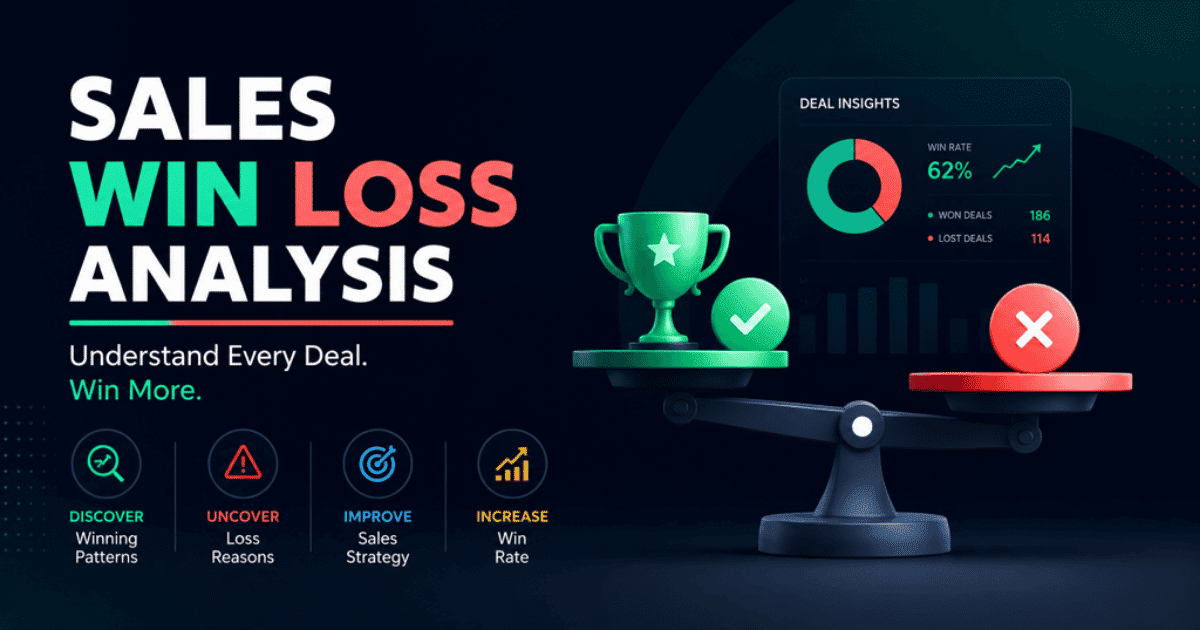
Every sales team wins some deals and loses others. The problem is that many teams move on too quickly without understanding why those outcomes happen. Sales win loss analysis helps businesses identify the factors behind every closed-won and closed-lost opportunity.
A structured win loss analysis gives your sales team valuable feedback about buyer decisions, competitor influence, pricing concerns, and gaps in the sales process. Instead of relying on assumptions, teams can use real customer feedback to improve sales performance and make better decisions.
Sales win loss analysis also provides actionable insights that help organizations refine messaging, strengthen qualification, and improve customer conversations. When teams understand why deals succeed or fail, they can adjust their sales process and focus on strategies that lead to better results. Over time, those improvements help sales teams win more deals and build consistent sales performance.
What Is Sales Win Loss Analysis
Sales win loss analysis is the process of reviewing won and lost opportunities to understand why buyers make their decisions. It examines the entire sales process, including buyer needs, objections, pricing, and competitor influence. Companies use customer feedback to identify the factors behind lost deals and successful outcomes.
The insights gained help sales and marketing teams improve competitive positioning, refine sales strategies, and strengthen competitive intelligence efforts. By understanding what influences buying decisions, organizations can improve win rates, address recurring issues, and make better decisions that support long-term revenue growth.
How To Calculate Sales Win Loss For Your CRM
Your win rate is the starting point for everything in win loss analysis. Before you can understand why deals are won or lost, you need an accurate number to work from.
The basic formula is straightforward and sits at the center of many sales win rate strategies for B2B growth.
Win Rate = (Deals Won / Total Opportunities) x 100
If your team closed 40 deals out of 160 opportunities last quarter, your win rate is 25%. That is your baseline.
But here is where most teams go wrong. HubSpot data from over 1,000 sales teams puts the average B2B win rate at 21% across all industries. If your number looks significantly higher than that, it is worth asking whether your pipeline is being qualified correctly or whether opportunities are being removed before they reach a closed stage. Inflated win rates are almost always a qualification problem, not a performance one.
Your CRM needs three things set up correctly before this number means anything, and consistent CRM adoption across modern sales teams is what makes that possible.
First, every opportunity must reach a closed stage. Deals that go quiet and get deleted without a closed-won or closed-lost status pollute your data. Salesforce research across 24 companies found that 50% of CRM data is inaccurate, and pipeline hygiene is the most common reason.
Second, you need a consistent definition of what counts as an opportunity. If one rep logs a discovery call as an opportunity and another waits until a proposal is sent, your win rate comparison across the team is meaningless.
Third, loss reasons must be structured. A dropdown that includes "bad timing," "no budget," and "went with competitor" gives you broad categories but no actionable insight. According to Clozd research, 85% of loss reasons logged in CRM do not reflect what buyers actually said. The rep fills in the closest answer after the fact, not the real one.
Once your CRM is tracking closed-won and closed-lost consistently, pull your win rate by rep, by deal size, and by lead source. These three cuts reveal more than the overall number ever will. A 25% win rate that hides a 40% win rate on inbound and 12% on outbound is telling you exactly where to focus.
Why Most Sales Teams Get It Wrong
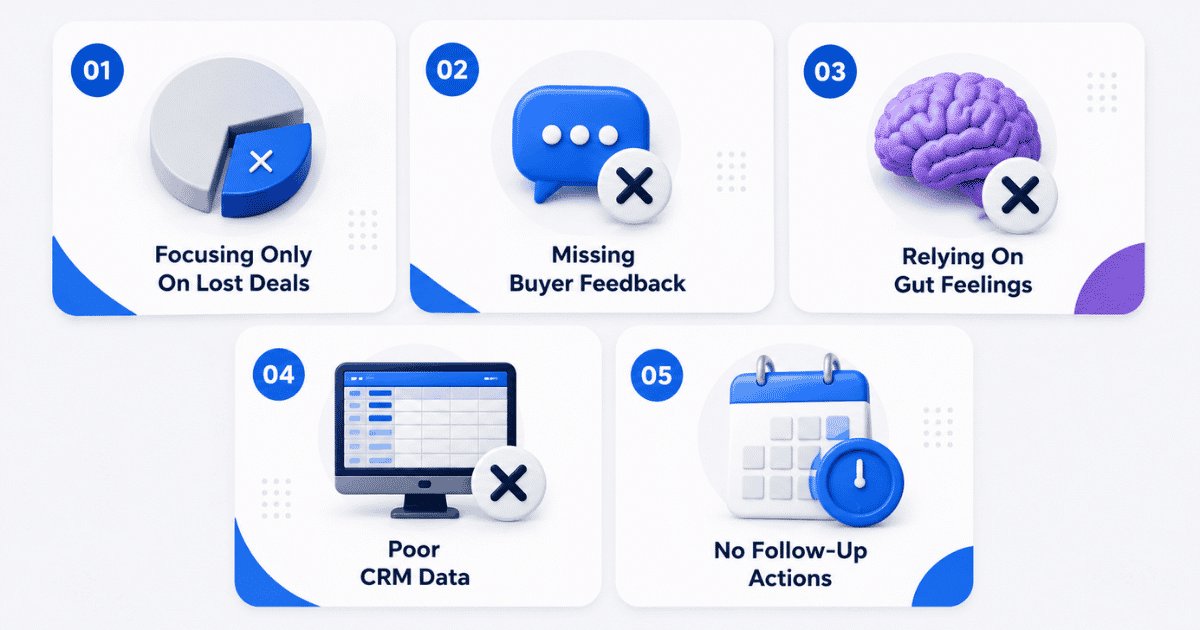
Sales teams often review outcomes without understanding the real reasons behind them. Common mistakes during win loss analysis can limit valuable insights, reduce learning opportunities, and prevent teams from improving sales performance and winning more future deals.
Focusing Only On Lost Deals
Many companies only investigate lost opportunities. Although reviewing losses is important, successful sales deals also contain valuable lessons. Winning customers often reveal strengths that can be repeated across the sales funnel. Examining both wins and losses helps teams identify patterns, understand buying behavior, and improve overall sales performance. Balanced win loss programs provide a clearer picture of what drives revenue growth.
Missing Buyer Feedback
Internal opinions rarely tell the full story. Direct buyer feedback explains why prospects moved forward, selected competitors, or decided not to buy. Without buyer feedback, companies may assume the wrong causes behind outcomes. Sales teams, marketing campaigns, and go to market teams can all benefit from hearing directly from customers. Honest conversations often uncover hidden objections, pricing concerns, and decision factors.
Relying On Gut Feelings
Assumptions can lead teams in the wrong direction. Sales leaders sometimes depend on personal opinions instead of evidence from customers and opportunities. Data-driven decisions help identify patterns that support better planning and stronger sales strategies. Reviewing actual outcomes allows teams to make informed improvements instead of reacting to isolated experiences.
Poor CRM Data
Incomplete or inaccurate CRM data creates major challenges during analysis. Missing fields, outdated records, and inconsistent information make it difficult to understand why sales deals succeed or fail. Reliable CRM data allows organizations to track trends, measure performance, and discover opportunities for improvement. Clean records also support stronger reporting and more accurate decision-making.
No Follow-Up Actions
Analysis alone does not improve results. Many organizations collect information but fail to act on the findings. Win loss programs should produce clear recommendations for sales, marketing campaigns, and customer-facing teams. Taking action on insights creates a competitive advantage and supports long-term growth. When teams apply lessons from previous opportunities, they reduce the risk of losing customers and improve results in future deals.
What You Gain By Reviewing Wins And Losses
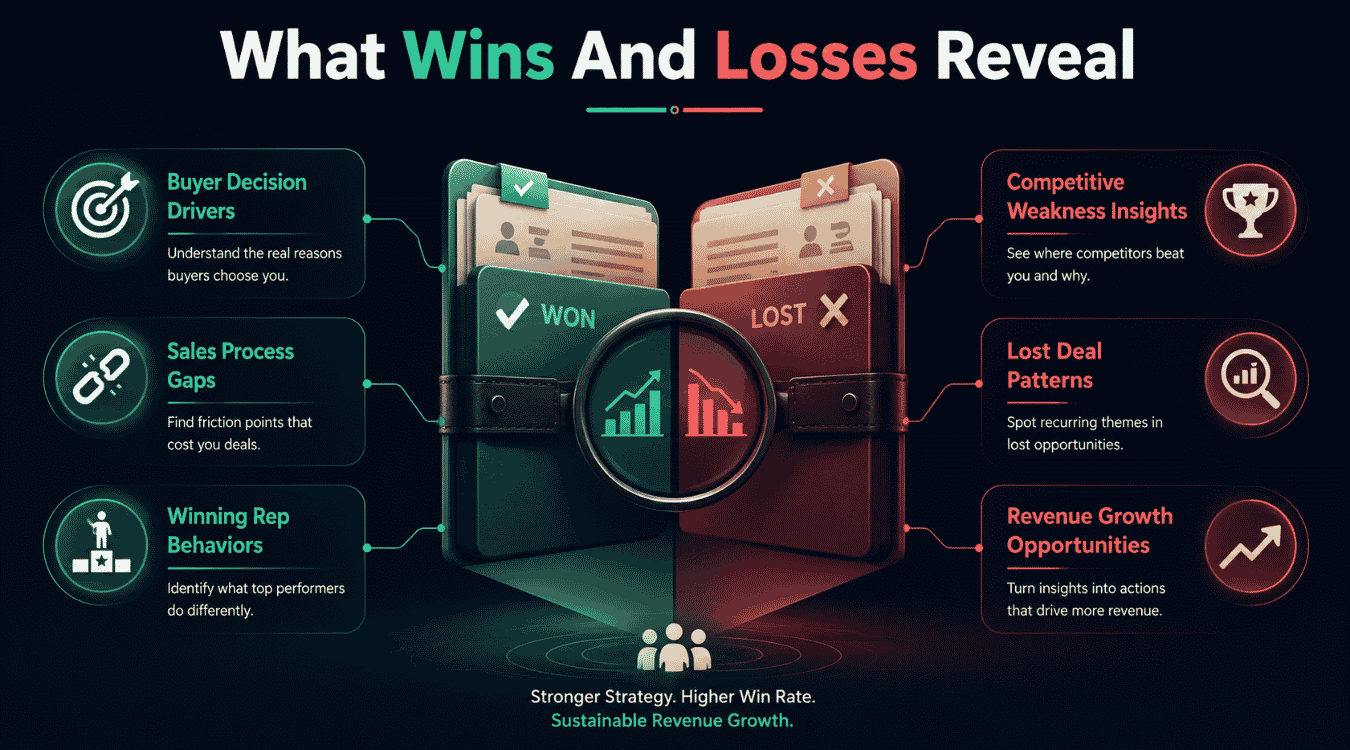
A structured win loss process helps companies understand why deals succeed or fail. Reviewing both wins and lost opportunities provides valuable information that improves decision-making, strengthens team performance, and supports better business outcomes.
Buyer Decision Drivers
Understanding why buyers make decisions is one of the biggest benefits of win loss analysis. One on one conversations and win loss interviews reveal the factors that influence purchasing decisions, including pricing, product fit, service quality, and implementation concerns.
Collecting data directly from customers helps teams understand what buyers value most. Sales teams can then adjust messaging, qualification, and sales strategies to better align with customer expectations. Key stakeholders across the business can also use these insights to support future opportunities.
Competitive Weakness Insights
Win loss findings often uncover weaknesses in competitors. Buyers frequently share why they rejected another vendor, what concerns they had, or which limitations affected their decisions. This information provides valuable insights into competitive performance.
Sales teams can use those findings to improve positioning during future conversations. Marketing teams can highlight differentiators, while product teams can address feature gaps that buyers mention during evaluations. A thorough analysis of competitor weaknesses helps businesses create stronger market positioning.
Sales Process Gaps
Many lost opportunities occur because of problems within the sales process itself. Delayed follow-ups, poor qualification, inconsistent communication, or unclear value propositions can negatively affect closing deals.
Reviewing deal records helps teams identify where prospects drop out of the buying journey. Sales leaders can then improve workflows, coaching, and sales enablement programs. Addressing process issues leads to a better sales experience for prospects and increases overall efficiency.
Lost Deal Patterns
Individual losses may seem unrelated, but broader trends often emerge when reviewing multiple opportunities. Win-loss analysis helps teams identify recurring reasons for lost opportunities, such as pricing concerns, competitive advantages, implementation fears, or missing features.
Collecting data across multiple deals allows organizations to identify patterns that may otherwise remain hidden. Understanding those patterns helps sales leaders reduce future losses and improve qualification efforts. Cross-functional teams can also work together to solve common problems that repeatedly affect opportunities.
Winning Rep Behaviors
Top-performing sales representatives often follow behaviors that contribute to successful outcomes. Reviewing successful deals helps organizations understand how top performers manage conversations, handle objections, and guide prospects through the buying process.
Those findings can improve coaching programs and strengthen team performance across the organization. Sharing successful techniques allows other sales representatives to replicate proven approaches and improve their own results.
Revenue Growth Opportunities
The final benefit of win loss analysis is identifying opportunities for revenue growth. A thorough analysis of wins and losses helps organizations make better decisions across sales, marketing, product, and customer success teams.
Insights from win loss interviews help businesses improve competitive performance, address feature gaps, and refine strategies that support growth. When key stakeholders use those findings collectively, organizations become better at closing deals, improving the customer experience, and increasing long-term revenue.
Setting Up Your CRM For Win Loss Tracking
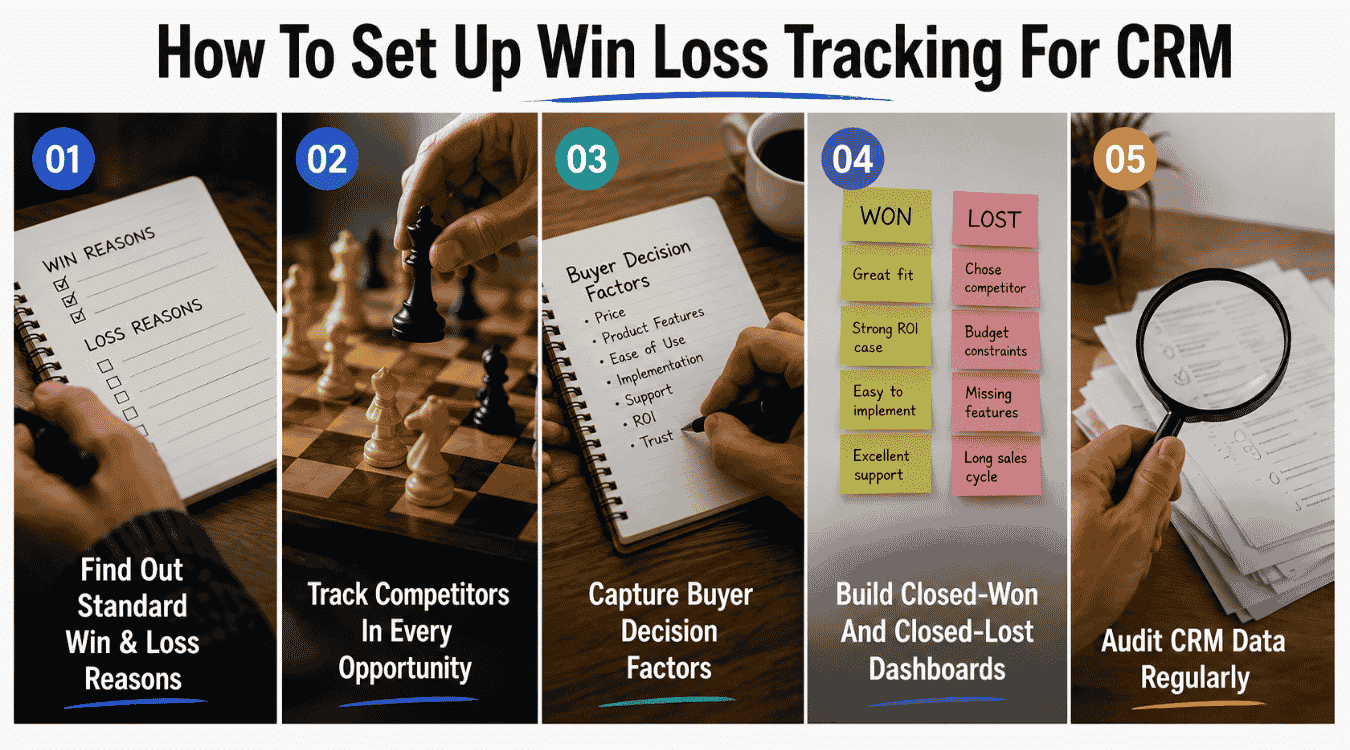
A well-structured CRM helps sales teams analyze wins and losses consistently. CRM software for modern sales teams provides the structure to do this at scale. Proper tracking provides key insights into buyer behavior, deal outcomes, and sales performance. Instead of relying on assumptions, teams can use accurate information to make data driven decisions and improve future results.
Find Out Standard Win And Loss Reasons
Standardized reasons create consistency across every opportunity. Avoiding common CRM implementation mistakes when you set these fields up ensures people actually use them. Sales teams should define categories such as pricing, product features, competitor selection, implementation concerns, budget limitations, or timing issues.
Clear categories help teams analyze wins and identify common causes behind losses. Consistent records also make it easier to compare opportunities, understand decision drivers, and identify trends across different markets and customer segments.
Track Competitors In Every Opportunity
Competitor information should be captured in every sales opportunity as part of disciplined sales deal tracking. Recording which vendors participated in the buying process provides a full picture of market competition and deal dynamics.
Tracking competitors helps organizations understand where they win and where they struggle. Over time, teams can glean insights about competitive strengths, weaknesses, pricing concerns, and positioning strategies. This information becomes especially valuable for large opportunities and enterprise deals where multiple vendors are often involved.
Capture Buyer Decision Factors
CRM records should include the reasons buyers made their final decisions. Strong CRM lead management practices make it easier to keep those insights connected to the right contacts and deals. Sales representatives can document information gathered from buyer interviews, follow-up conversations, and direct customer feedback.
Whenever possible, customer comments should be recorded in their own words rather than interpreted summaries. Capturing actual buyer feedback helps teams understand decision drivers, objections, and expectations. Those details often reveal important factors that may not appear in raw data alone.
Build Closed-Won And Closed-Lost Dashboards
Separate dashboards for won and lost opportunities make reporting more effective and turn raw outcomes into actionable sales KPIs for smarter revenue decisions. Teams can review deal size, sales cycles, competitor involvement, industries, and common reasons behind outcomes.
Dashboards help sales leaders turn insights into action by making important trends easier to identify. Reviewing both successful and unsuccessful opportunities helps organizations understand winning behaviors and recognize areas that require improvement.
Visual reporting also allows teams to monitor performance over time and quickly identify changes in buyer behavior.
Audit CRM Data Regularly
Regular CRM audits maintain data quality and improve reporting accuracy. Using smart CRM features to organize sales better also reduces the amount of cleanup required. Missing fields, outdated information, and inconsistent records can prevent teams from uncovering valuable insights.
Sales leaders should review opportunities regularly to verify competitor information, buyer feedback, decision reasons, and deal details. Clean data allows organizations to make better decisions and understand the true reasons behind outcomes.
When companies combine reliable data, buyer interviews, and structured reporting, they gain a deeper understanding of deal dynamics and can turn insights into actions that improve future sales performance.
How To Run A Win Loss Analysis
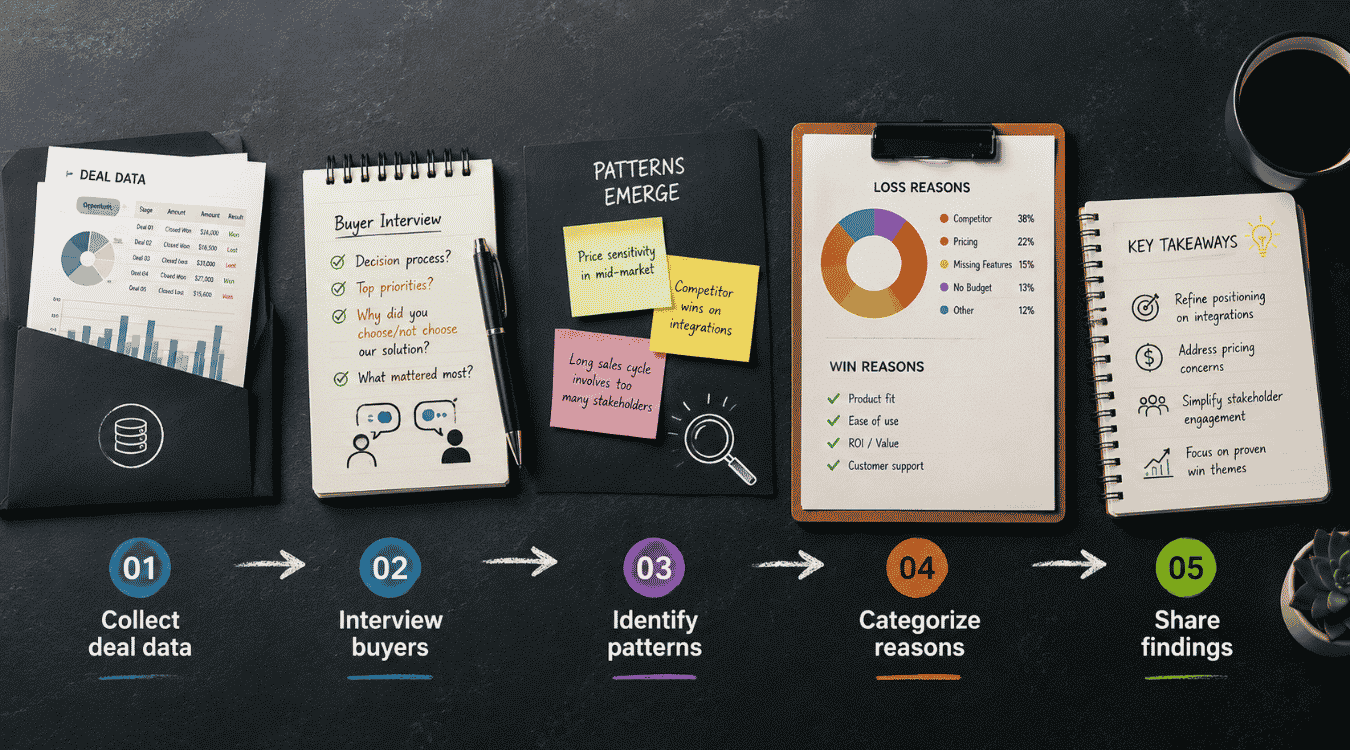
A win-loss analysis helps businesses understand why customers choose their solution or decide to buy from a competitor. Following a structured approach, similar to a complete sales process for tracking deals from lead to close, allows teams to gather meaningful information, improve sales performance, and turn insights into action. The goal is not only to review closed deals but also to create better outcomes for future sales opportunities.
Collect Deal Data
The first step is collecting information from closed deals. Sales activity tracking software makes this easier by automatically logging calls, emails, and meetings. Sales teams should review CRM records, opportunity notes, sales activities, proposal details, and competitor information. Important factors such as deal value, sales cycle length, objections, and outcomes provide useful context.
Accurate data helps teams understand purchasing decisions and creates a foundation for further analysis. Reviewing both won and lost opportunities allows organizations to identify strengths as well as areas that need improvement.
Interview Buyers
Speaking directly with customers provides valuable information that internal records often miss. Combining conversations with email tracking CRM insights can reveal how buyers engaged with your outreach over time. Buyer interviews help organizations understand why purchasing decisions were made and what factors influenced the outcome.
Questions may focus on pricing, product fit, customer experience, competitor comparisons, and the buying process. Honest feedback from customers often reveals concerns that sales teams never identified during the opportunity. Those conversations also help teams adjust messaging and improve future interactions.
Identify Patterns
After gathering information, teams should review the findings to identify common trends. Similar objections, repeated competitor mentions, product concerns, and sales challenges often appear across multiple opportunities and point to where sales productivity improvements will have the most impact.
Looking for patterns helps organizations understand which factors affect success rates. Sales leaders can identify strengths that contribute to wins while also uncovering issues that lead to losses. Product managers, marketing teams, and sales teams can all benefit from those findings.
Categorize Reasons
The next step is organizing the findings into clear categories. Common categories include pricing, product capabilities, service quality, implementation concerns, competitor advantages, and timing, and they should be shared across teams to support effective sales team collaboration.
Categorization makes large amounts of information easier to analyze. Teams can compare opportunities and understand which issues appear most frequently. This process also supports better go-to-market decisions by showing where improvements can have the greatest impact.
Share Findings
The final step is sharing the results across the organization. Strong sales visibility makes it easier for sales, marketing, product managers, and leadership teams to review the findings together and discuss possible improvements.
A win loss analysis only creates value when organizations turn insights into action. Teams can adjust messaging, improve processes, refine products, and strengthen customer experiences based on real feedback. Consistent analysis helps businesses improve future sales opportunities and supports long-term growth across the organization.
Win Loss Analysis By Deal Type
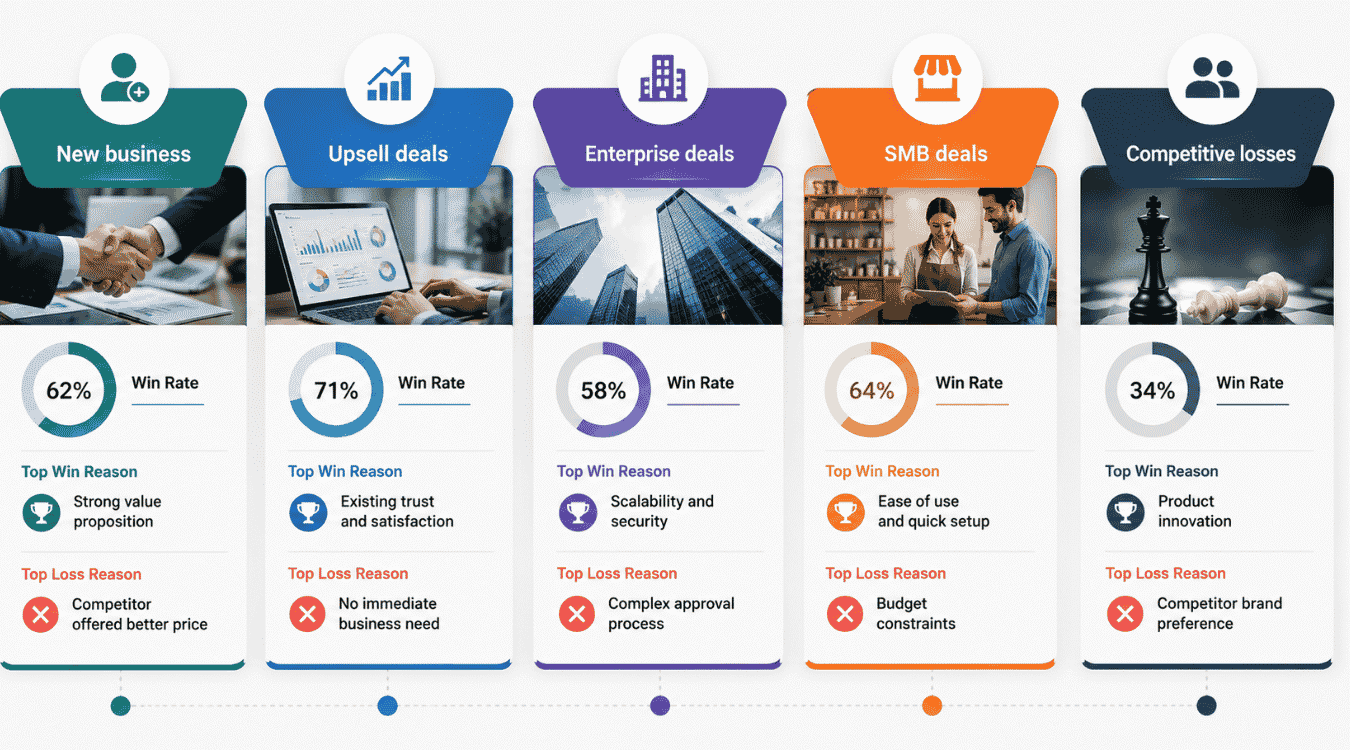
Different deal types often have different buying behaviors, decision criteria, and sales challenges, especially in environments with long sales cycles. Segmenting win loss analysis by deal type helps sales teams understand what drives success and what causes losses. A targeted review provides more accurate insights and supports better sales strategies.
New Business
New business opportunities focus on acquiring first-time customers. Buyers often evaluate several vendors before making a decision. Pricing, product fit, implementation support, and trust usually influence the outcome, and sales conversion rate benchmarks and tactics help you understand how well your process performs against those expectations.
Win loss analysis for new business deals helps teams understand why prospects choose one solution over another. Sales teams can identify common objections, improve messaging, and strengthen positioning during the early stages of the sales process.
Upsell Deals
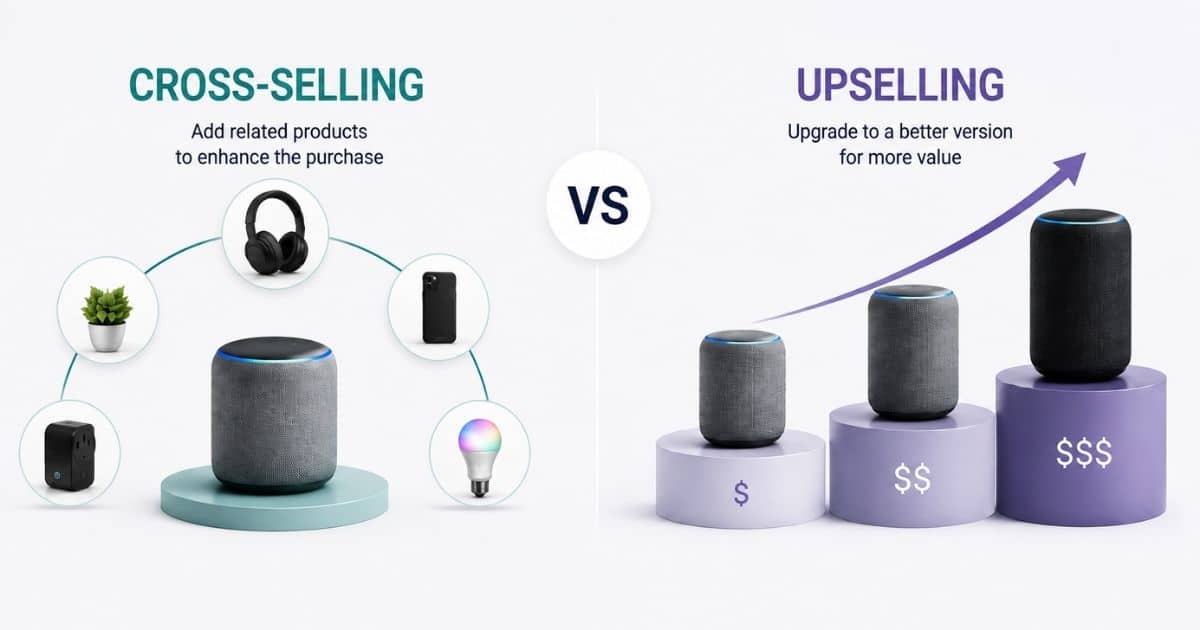
Upsell opportunities involve existing customers who already use the product or service. Upselling strategies to boost customer lifetime value depend heavily on customer satisfaction, product adoption, and business value, which often influence the buying decision.
Analyzing upsell deals helps teams understand which products, services, or features create additional value for customers. Lost upsell opportunities may reveal concerns about pricing, product usage, or unmet expectations. Those insights help customer success and sales teams improve expansion strategies.
Enterprise Deals
Enterprise deals typically involve larger budgets, longer sales cycles, and multiple decision-makers, so maintaining a clear visual sales pipeline becomes critical. Procurement teams, executives, and department leaders often participate in the buying process.
Win loss analysis for enterprise opportunities focuses on factors such as stakeholder alignment, implementation concerns, security requirements, and business impact. Reviewing these deals helps organizations improve account strategies, sales coordination, and executive engagement.
SMB Deals
Small and medium-sized business deals usually move faster than enterprise opportunities. Buyers often prioritize affordability, ease of use, and quick implementation, and a visual sales pipeline that improves deal clarity helps keep those faster-moving deals organized.
Analyzing SMB deals helps teams understand what influences purchasing decisions in smaller organizations. Common factors may include pricing, product simplicity, customer support, and time to value. Sales teams can use those findings to improve qualification and accelerate decision-making.
Competitive Losses
Competitive losses occur when buyers select another vendor. Reviewing these opportunities helps businesses understand competitor strengths, market positioning, and buyer preferences, and often exposes where a poor CRM migration from Excel or messy data has made it hard to compete effectively.
Sales teams can identify recurring reasons behind losses, including pricing concerns, missing features, implementation issues, or stronger competitor messaging. Understanding competitive losses helps organizations improve positioning, refine value propositions, and increase future win rates.
How Often To Run Win Loss Analysis
The ideal frequency for win-loss analysis depends on your sales volume, deal complexity, and the number of closed opportunities. Running reviews on a consistent schedule helps sales teams identify trends, improve decision-making, and respond to changes in buyer behavior.
| Business Situation | Recommended Frequency | Primary Goal |
|---|---|---|
| High-volume sales teams | Monthly | Identify trends and respond quickly to market changes |
| Mid-sized B2B sales teams | Quarterly | Measure win rates and analyze recurring patterns |
| Enterprise sales teams | After major deals | Review complex buying decisions and stakeholder feedback |
| Fast-growing companies | Monthly or Quarterly | Improve sales processes and adjust strategies |
| Annual business reviews | Yearly | Evaluate long-term performance and strategic changes |
Enterprise teams often conduct win-loss analyses after major opportunities because each deal contains valuable insights. Maintaining a consistent review schedule helps sales leaders make informed decisions and continuously improve sales performance.
Final Discussion
Win loss analysis turns everyday sales activities into meaningful business insights. By comparing deals won versus lost, organizations gain a clearer understanding of customer decisions, competitive challenges, and sales effectiveness. Reliable win-loss data helps sales reps identify what works, what causes losses, and where improvements are needed.
Tracking the win loss ratio over time allows sales leaders to measure progress and make informed decisions. Teams that conduct a win-loss review regularly can improve sales execution, refine messaging, and strengthen customer conversations.
The real value comes from acting on the findings. Organizations that use insights from closed opportunities can coach sales reps more effectively and improve future outcomes. Consistent analysis helps teams make better decisions, increase win rates, and build a stronger sales process that supports long-term growth and sustainable revenue performance.
Frequently Asked Questions
Who Should Participate In A Win Loss Analysis?
Sales leaders, sales representatives, marketing teams, customer success teams, and product teams should participate in a win loss analysis. Involving multiple departments helps organizations understand deal outcomes from different perspectives.
What Questions Should You Ask During A Win Loss Interview?
Common questions include why the buyer made their decision, which factors influenced the purchase, what concerns existed during the buying process, and how competitors were evaluated.
Can Small Businesses Benefit From Win Loss Analysis?
Yes. Small businesses can use win loss analysis to understand customer needs, improve sales processes, and identify opportunities to increase win rates without requiring large teams or complex tools.
What Metrics Should You Track In Win Loss Analysis?
Important metrics include win rate, loss reasons, competitor involvement, sales cycle length, deal size, buyer objections, and customer feedback collected during the sales process.
What Tools Can Support Win Loss Analysis?
CRM platforms, customer feedback tools, survey software, reporting dashboards, and interview notes can all support win loss analysis by helping teams collect, organize, and review deal information