Sales Automation Software to Never Miss a Follow-Up helps sales teams stay consistent, organized, and responsive in every stage of the sales process. Follow-ups often slip through the cracks when reps juggle multiple leads, manual tasks, and daily responsibilities.
With automation, reminders, and smart scheduling, businesses can ensure every potential customer receives timely communication. This type of software reduces the risk of lost deals, supports better lead nurturing, and gives teams more time to focus on meaningful conversations.
By automating repetitive tasks and keeping follow-ups on track, sales teams improve efficiency, strengthen customer relationships, and maintain a predictable workflow. It’s a practical solution for companies aiming to increase conversions and eliminate missed opportunities.
What Is Sales Automation?
Sales automation is the use of technology to streamline and simplify parts of the sales process that normally require manual effort. It helps teams manage customer data more effectively, organize sales activities, and maintain consistent customer interactions at every stage of the journey. With modern sales automation technology, businesses can automate tasks such as reminders, follow-ups, and data entry while keeping information updated across automation platforms.
This supports stronger decision-making and ensures every lead receives timely communication. Sales automation also improves visibility into sales cycles, making it easier for teams to track progress and focus on high-value opportunities. Reducing manual work helps sales teams operate more efficiently and stay aligned with their goals.
Why Manual Follow-Ups Kill Deals
Manual follow-ups create delays, inconsistencies, and missed opportunities. When sales teams rely on memory, spreadsheets, or scattered notes, important conversations slip through the cracks. A modern, structured follow-up process is essential for keeping deals alive and maintaining strong relationships.
Follow-Up Emails Become Inconsistent
When follow up emails are handled manually, timing becomes unpredictable. Some prospects receive quick responses, while others wait days. This inconsistency makes prospects feel undervalued and reduces trust early in the relationship. Manual follow-ups also lack personalization when reps rush through them, which weakens overall engagement and slows momentum.
Manual Tasks Slow Down Sales Teams
Sales professionals handle many manual tasks throughout the day, and each one adds friction to their workflow. Tracking who needs a follow-up, checking previous messages, and planning next steps can overwhelm even experienced reps. These tasks drain focus from high-value conversations and contribute to delays that can easily push prospects away.
Time-Consuming Tasks Cause Missed Opportunities
Sales teams often juggle hundreds of leads, making time consuming tasks difficult to manage. Without automated reminders or organized workflows, reps may forget to follow up after a demo, proposal, or meeting. A missed follow-up often means a lost opportunity, especially when prospects are comparing multiple vendors.
Data Entry Creates Errors And Delays
Sales reps spend significant time updating CRM fields, entering call notes, and logging interactions. When data entry becomes rushed or skipped, important details go missing. Manual data entry slows down the process and reduces the accuracy of sales forecasting. Inaccurate data also affects pipeline clarity, causing managers to misjudge deal health.
Manual Data Entry Hurts Sales Calls Preparation
Successful sales calls depend on knowing the prospect’s interests, objections, and previous conversations. When updates rely on manual data entry, teams risk missing crucial context. This leads to unprepared calls and weak messaging, which lowers the chance of moving the deal forward. A lack of reliable data makes every call less effective.
Customer Relationships Suffer Without Consistency
Prospects expect timely, thoughtful communication. When sales communication is inconsistent, prospects feel neglected. Delayed responses or forgotten follow-ups weaken customer relationships, reduce trust, and make competitors look more reliable. Strong follow-up discipline is essential for building long-term confidence.
Manual Workflows Limit Scalability
As the pipeline grows, manual follow-ups become impossible to manage. Each new lead increases the chance of missed steps. Without automation, scaling follow-ups requires more people instead of better systems. This limits growth potential and puts unnecessary pressure on sales teams trying to keep up with rising demand.
Automating Follow-Ups in CRM
Automating follow-ups in CRM helps sales teams stay organized, respond faster, and avoid losing potential deals. Instead of relying on memory or scattered notes, automation creates a structured system that guides every step of follow-up communication in a simple and predictable way.
Automates Follow-Up Sequences With CRM Sales Automation
CRM sales automation creates follow-up sequences that run on their own once a lead takes an action or becomes inactive. This gives every prospect timely communication without requiring the sales team to manually remember each step.
Centralizes Communication Inside CRM Systems
CRM systems store all conversations in one place, making it easy to review past messages, calls, and updates. With everything visible in a single dashboard, sales reps can understand the full context of each lead before reaching out again.
Uses CRM Software To Organize And Prioritize Leads
CRM software helps teams organize leads by urgency, buying stage, and level of engagement. Automated notifications remind sales reps when a follow-up is due, helping them stay focused and avoid missing important moments in the sales journey.
Provides Accurate Insights Through Clean CRM Data
CRM data gives sales teams better insight into what a lead needs. When information updates automatically, it stays accurate and reliable. This allows reps to personalize follow-ups and respond based on real interactions instead of guesswork.
Runs Automated Workflows To Ensure Perfect Timing
Automated workflows manage the timing of each follow-up. When a prospect opens an email, books a call, or shows interest, workflow automation adjusts the next step automatically. This helps the sales process move forward naturally without delays.
Supports Email Automation For Consistent Communication
Email automation allows sales teams to send sequences of messages that are already written and scheduled. These emails can include reminders, check-ins, product details, or next steps. Because they send automatically, no follow-up gets forgotten.
Strengthens Customer Relationship Management Across Teams
Customer relationship management becomes easier when automation handles repetitive tasks. Sales reps gain more time to focus on real conversations, while the system keeps track of updates and activities. This creates a smoother experience for both the team and the prospect.
Task Automation for Sales Teams
Task automation is one of the most powerful ways to help sales teams work faster, stay organized, and focus on what matters most. When small repetitive tasks start piling up, sales reps lose valuable time that should be spent talking to prospects and closing deals. Automation removes that friction and creates a smoother, more predictable workflow.
Why Sales Teams Need Task Automation
Sales teams handle many repetitive tasks every day. Logging calls, updating contact fields, checking lead statuses, reviewing reminders, and preparing next steps may seem small, but together they slow down momentum. Automation steps in to remove this burden and keeps sales tasks running in the background.
What Automation Can Handle Effortlessly
Here are some common tasks that can be automated to save time:
Updating CRM fields after a form submission
Triggering reminders after a meeting or demo
Assigning tasks when a lead becomes active
Moving deals to the next stage after an action
Creating follow-up tasks based on prospect behavior
Sending nurturing messages automatically
These automated tools work quietly behind the scenes, helping sales teams avoid missed opportunities.
Automate Repetitive Tasks With Ease
Modern platforms allow you to automate repetitive tasks without technical skills. For example:
When a lead books a call, the system creates a task for the rep.
When a prospect opens a proposal, an engagement task is generated.
When a lead goes inactive, the system schedules a re-engagement step.
These simple actions help automate repetitive tasks and keep everyone on track.
Reduce Administrative Tasks
Administrative tasks often drain energy from sales reps. Updating fields, adding notes, changing deal stages, or cleaning up records can take hours every week. With automation tools, most administrative tasks can happen automatically based on triggers such as form submissions, page visits, or email responses. This ensures CRM data remains accurate without constant manual work.
Explore Different Automation Tools And Capabilities
There are many different automation tools available, each offering unique automation capabilities. Some platforms focus on email workflows, others on task management, and some offer complete automation across the entire sales journey. Sales teams can mix and match tools depending on their workflow, team size, and sales cycle complexity.
How Task Automation Transforms Sales Teams
When automation takes over routine work, sales reps can finally concentrate on:
Building stronger relationships
Personalizing outreach
Preparing for high-impact meetings
Moving deals forward faster
Providing more value during conversations
Automation does not replace salespeople. It supports them by removing the repetitive, time-consuming parts of the job so they can perform at their best.
Task automation is not just a productivity boost. It is a complete shift in how sales teams operate, helping them work smarter, stay organized, and close more deals with less stress.
How Automation Improves Conversion Rates
Automation helps sales teams work faster, stay consistent, and respond at the right moment, all of which directly increase conversion rates. When the follow-up process becomes predictable and organized, prospects receive timely communication that keeps them moving through the buying journey with confidence and clarity.
Creates Faster Responses That Boost Sales
Speed matters in sales. With automated reminders, follow-ups, and lead nurturing sequences, teams respond quicker and more consistently. This faster communication helps boost sales because prospects stay engaged instead of drifting toward competitors.
Improves Sales Performance With Consistent Workflows
Automation ensures that every lead experiences the same high-quality process. No step is forgotten, and no follow-up is missed. This improves sales performance by creating a structured workflow that supports reps throughout the entire sales cycle.
Enhances Sales Efficiency Through Smart Task Management
By removing manual work, automation increases sales efficiency. Reps spend less time clicking through tools and more time talking to prospects. Automated scheduling, reminders, and next-step prompts help reps move leads forward without losing momentum.
Builds Profitable Customer Journeys
Automation personalizes touchpoints based on lead behavior, helping teams build profitable customer journeys. Prospects receive the right message at the right time, which increases trust and strengthens their connection with the brand.
Helps Improve Customer Retention With Timely Engagement
Consistent communication doesn’t end after the sale. Automation keeps customers engaged with timely updates, check-ins, and educational messages. These moments of care improve customer retention by showing ongoing value and strengthening relationships.
Delivers Actionable Insights For Better Decisions
Automation creates a continuous stream of actionable insights. Sales leaders can see which sequences work, which messages convert better, and where prospects drop off. These insights help teams improve outreach quality and optimize their selling approach.
Ensures Accurate Data For Predictable Conversions
Automation captures and updates information automatically, resulting in accurate data across the sales pipeline. Clean, real-time data helps sales teams forecast better, personalize communication, and avoid mistakes caused by outdated records.
Makes It Easy To Monitor Performance Regularly
Sales leaders can monitor performance without digging through spreadsheets. Dashboards show follow-up completion rates, activity levels, and conversion metrics. This visibility helps teams identify gaps early and refine their strategies for stronger results.
Automation strengthens every step of the sales process, helping teams engage more consistently and convert more leads into customers.
Best Sales Automation Tools
Sales automation tools help teams work faster, stay consistent, and close deals more efficiently. The right platform saves time, removes manual work, and ensures no follow-up is ever missed. Here are the top solutions leading the market in 2026.
1. HubSpot Sales Hub
HubSpot Sales Hub remains one of the best sales automation tools due to its strong workflows, integrated CRM, and flexible automation features. It helps automate outreach, schedule follow-ups, and manage tasks across the pipeline. HubSpot’s automation software creates personalized sequences, tracks engagement, and centralizes every interaction, giving teams a clear view of lead behavior. Its reporting capabilities show conversion patterns, helping sales teams refine messaging and strategies. HubSpot also integrates tightly with marketing automation tools, making it a powerful all-in-one platform for companies wanting to align sales and marketing in a single ecosystem.
2. Gain.io
Gain.io stands out as a modern, intuitive sales automation platform built specifically to help teams never miss a follow-up. It automates repetitive steps across the sales process, ensuring leads progress smoothly from first contact to closing. Users can build automated workflows that trigger based on actions, dates, or inactivity, ensuring prospects receive the right message at the right time. Gain.io also excels in pipeline clarity, helping teams track every deal stage without confusion. With its clean interface, automated reminders, and a strong focus on practical automation features, Gain.io provides one of the best sales automation experiences for teams that want streamlined workflows without complexity.
3. Salesforce Sales Cloud
Salesforce Sales Cloud is widely known for its advanced sales automation capabilities and powerful CRM foundation. It supports sales automation platforms at scale, allowing businesses to build custom workflows, automated task triggers, and intelligent follow-up rules. Salesforce offers robust lead scoring, forecasting, and automated task routing to ensure the right reps engage at the right moment. Email integration, call logging, and activity tracking are fully automated, helping teams maintain accurate records effortlessly. It also connects seamlessly with email marketing software and marketing automation software, making it a versatile option for enterprises with complex processes.
4. Pipedrive
Pipedrive is praised for its ease of use and visual pipeline-focused approach. It helps teams automate sales tasks by creating simple workflow rules that trigger reminders, move deals to the next stage, or create tasks automatically. Its automation software helps reps stay organized while spending less time updating information manually. Pipedrive’s email templates, deal rotting alerts, and automated follow-up notifications help teams maintain consistent communication. The platform integrates with marketing automation tools to streamline lead nurturing and supports teams that want a lightweight, highly practical sales automation solution.
5. Zoho CRM
Zoho CRM provides strong automation capabilities for small and medium-sized businesses. It automates lead scoring, task creation, follow-up scheduling, and deal movement through customized workflows. Zoho CRM also supports automated email sequences, instant alerts, and activity tracking, making it easy for sales reps to stay engaged with prospects. Its sales automation platforms integrate with marketing automation software to keep customer data consistent across the funnel. Zoho’s flexible automation tools help sales teams save time and improve accuracy across daily operations.
How to Choose the Right Sales Automation Software
Choosing the right sales automation software helps your team reduce manual work, stay consistent with follow-ups, and close deals more efficiently. The ideal platform should match your workflow, integrate smoothly with your tools, and support both sales and marketing teams without adding complexity.
Understand What the Right Sales Automation Software Should Solve
Start by defining the core problems your team is facing. Maybe reps forget follow-ups, spend too much time on data entry, or struggle to track pipeline activity. The right sales automation software should directly address these challenges by simplifying communication and automating repetitive actions.
Create a list of tasks you want to eliminate or improve, such as reminders, lead assignment, sequencing, or reporting. This clarity helps you avoid overwhelming feature lists and focus on practical solutions that truly support your daily workflow. When you understand your goals clearly, it becomes easier to identify tools that genuinely fit your processes and help you build a more efficient and predictable sales system.
Begin by Evaluating Sales Automation Software Carefully
Evaluating sales automation software takes more than glancing at marketing pages. You need to deeply explore how the tool handles real activities like follow-ups, pipeline management, task scheduling, and automation triggers. Check if it simplifies your workflow instead of complicating it.
Look at dashboards, user experience, automation builder flexibility, and reporting options. Evaluate how much manual work it actually removes. Request demos, watch walkthroughs, and talk to teams currently using the software if possible. A thoughtful evaluation helps you choose a system that aligns with long-term goals rather than getting stuck with a tool that creates more work instead of eliminating it.
Look for Compatibility With Your Tech Stack
Your sales automation software must integrate smoothly with your existing tech stack. If it doesn’t, you’ll face data syncing issues, duplicate records, and workflow interruptions that slow down the entire sales process. Check compatibility with your CRM, email tools, calling apps, lead capture systems, and marketing platforms.
A tool that connects well with your stack ensures that data flows automatically and stays accurate across every system. This reduces manual entry and creates a cohesive environment where reps always work with reliable, up-to-date information. A well-integrated platform supports faster onboarding, smoother operations, and a more efficient sales cycle.
Ensure It Supports Both Sales and Marketing Teams
Sales and marketing teams work closely together, so your automation platform must support both. Sales teams rely on timely follow-ups and clean data, while marketing teams depend on engagement metrics, lead scores, and nurturing sequences. Choosing a tool that aligns both functions helps you build a more unified workflow.
Shared visibility also prevents miscommunication between departments. When the tool supports coordinated handoffs, lead nurturing becomes smoother and more effective. Marketing can send stronger leads, and sales can respond faster with better context. This alignment ultimately improves lead quality, conversion rates, and overall team performance.
Consider the Needs of Marketing Teams Too
Marketing teams often initiate the customer journey, so automation must help them create personalized paths for prospects before handing them to sales. Look for features that support segmentation, behavior tracking, automated nurturing, and engagement scoring. This ensures marketing can warm up potential customers effectively before they reach sales.
When automation supports both sides, it creates a cleaner workflow and prevents leads from going cold. Marketing teams benefit from better targeting and data, while sales teams receive more qualified prospects. The result is a more efficient funnel where both teams feel fully supported by the software.
Check How Well It Helps You Engage Potential Customers
The right tool must help your team engage potential customers more effectively. Look for features such as automated follow-up sequences, message personalization, behavior-based triggers, and real-time alerts. Engagement tools help reps contact prospects at the perfect time with the right message.
A platform that enhances communication helps move leads through the pipeline faster and reduces the chances of losing them due to slow or inconsistent outreach. When a system simplifies communication and makes engagement effortless, sales teams connect more naturally and create stronger relationships with prospects.
Make Sure It Supports Sales Leaders and Sales Managers
Sales leaders and sales managers need visibility into what’s happening inside the pipeline. Choose software that provides actionable insights, performance metrics, conversion analytics, and clear activity dashboards. These features help managers monitor performance and identify bottlenecks early.
When leaders have real-time visibility, they can coach reps more effectively, improve weak areas, and optimize the sales strategy. Strong reporting and oversight tools are essential for scaling a sales team. A system that supports effective leadership ultimately improves forecasting accuracy, team accountability, and conversion outcomes across the entire funnel.
Gain.io Sales Automation Features
Sales teams need tools that simplify their workflow while keeping follow-ups consistent and organized. The sales automation features inside Gain.io are designed to remove manual effort, support smarter engagement, and help teams manage pipelines with confidence.
Powerful Automation Features Built for Sales Teams
The platform includes automation features that replace repetitive manual work with clear, rule-based actions. Follow-ups, reminders, next-step tasks, and message sequences can run automatically, allowing sales reps to stay focused on conversations rather than administration. These features help maintain steady communication across all stages of the sales journey.
A Flexible Sales Automation Solution
As a complete sales automation solution, Gain.io handles more than simple reminders. Triggers can be tied to deal changes, prospect behavior, time delays, or activity levels. This ensures the right follow-up happens at the right moment, reducing missed opportunities and keeping prospects engaged throughout the funnel.
Designed to Work Smoothly With Automation Platforms
The system connects easily with other automation platforms to create a unified environment for sales activities. Whether syncing contact details, updating engagement data, or aligning follow-up sequences, the integrations help reduce duplication and keep information consistent across all tools teams use.
Support for Connected Marketing Processes
Automation also supports connected marketing processes that overlap with sales. Lead nurturing, handoff timing, and engagement sequences can align with marketing activities so prospects move through both departments smoothly. This alignment strengthens early communication and helps reps pick up conversations without confusion.
Clear and Simple Pipeline Management
Pipeline management becomes easier with workflow automation controlling deal movement. When prospects take specific actions or reach certain stages, deals can advance automatically. This keeps pipelines organized and prevents clutter from stalled or outdated opportunities. Reps get a clearer view of where each lead truly stands.
Easy To Configure and Compatible With Your Tech Stack
The automation software is built to fit naturally into an existing tech stack. Email tools, calendars, and CRM systems can integrate without heavy setup, ensuring all activity flows into one central dashboard. The simple configuration process makes it easy for teams to get started quickly.
Gain.io combines structured automation, strong integrations, and intuitive workflows to help sales teams operate with more consistency, clarity, and efficiency across their entire pipeline.
Implementation Strategy for Smooth Sales Automation Adoption
A smooth automation strategy helps teams transition from manual selling to an efficient, automated workflow. Success depends on proper planning, clear communication, and making sure the system truly supports the daily work of your sales team.
Build an Implementation Plan That Aligns With Sales Operations
Start by mapping out how automation fits into your existing sales operations. Identify areas that slow reps down, workflows that cause missed follow-ups, and communication gaps that affect consistency. A structured plan helps ensure automation supports real needs instead of creating extra steps. Involving team leaders early also creates a more realistic rollout timeline.
Train Sales Professionals With Real Examples
Sales professionals adapt faster when training is practical. Focus on real use cases such as follow-up reminders, task automation, and lead qualification steps. Show how automation removes manual effort and helps reps stay consistent throughout the sales cycle. Hands-on practice sessions help build confidence and reduce resistance to change.
Connect Automation With Marketing Automation
Sales and marketing automation should work together. Aligning your marketing automation efforts with sales workflows helps create smoother handoffs, clearer lead nurturing, and more accurate scoring. Strong alignment prevents dropped leads and ensures both departments work with the same engagement timeline.
Prepare Sales and Marketing and Sales Teams for Collaboration
For automation to work effectively, sales teams and marketing and sales teams must coordinate. Share the new automated workflows with both departments so everyone understands triggers, sequences, and expectations. Collaboration helps ensure messaging stays consistent and leads move through the funnel without confusion or delays.
Strengthen Lead Generation Processes With Automation
Automating lead generation helps capture prospects faster and more reliably. From form submissions to targeted follow-ups, automation supports quicker responses and improves first-touch speed. When early engagement flows automatically, sales teams can focus on meaningful conversations instead of chasing initial outreach.
Maintain Clean, Up-to-Date Data
Accurate and up-to-date data is essential for automation success. Establish routines for cleaning old records, standardizing fields, and keeping contact information current. Clean data ensures workflows trigger correctly and follow-ups reach the right people. It also helps sales leaders evaluate pipeline performance with clearer insights.
Common Sales Automation Mistakes and How to Avoid Them
Sales automation helps teams work faster, communicate consistently, and stay organized. But when it’s implemented without proper structure, it can create confusion instead of efficiency. Understanding common mistakes helps sales leaders build a smoother, more effective automation system that truly supports the team.
Mistake 1: Automating Without Understanding the Sales Funnel
Many companies rush into automation without fully understanding their sales funnel. They set up sequences or reminders without mapping how leads actually move from awareness to conversion. This creates misaligned automation that sends the wrong message at the wrong time. How to avoid it: Start by breaking your funnel into clear stages. Define the buyer’s intention at each point and match automation to their needs. Make sure follow-ups, tasks, and triggers support natural progress instead of overwhelming prospects with irrelevant communication.
Mistake 2: Ignoring the Sales Pipeline Structure
Poorly organized automation can clutter the sales pipeline and make it harder to see which deals require attention. When tasks trigger randomly or deals move automatically without proper logic, reps lose visibility into what truly matters. How to avoid it: Build automation rules that mirror your real sales workflow. Automate deal movement only when specific actions occur, like meeting completion or document requests. Keep pipeline stages meaningful and avoid adding unnecessary steps just to fit automations.
Mistake 3: Not Supporting Reps Who Focus on Closing Deals
Some teams rely on automation too heavily and forget that reps still need support to close deals. If automations take over communication, conversations can feel robotic. Prospects notice the lack of personal touch and lose trust. How to avoid it: Use automation to prepare reps, not replace them. Let automation handle reminders, tasks, and scheduling. Allow reps to focus on personalized messages, tailored offers, and strategic conversations that move deals to the finish line.
Mistake 4: Overloading Teams With Time Consuming or Unnecessary Actions
Automation should reduce time consuming tasks, not create new ones. Some systems generate excessive alerts, too many tasks, or irrelevant follow-ups. This overwhelms sales team members and causes them to ignore automation altogether. How to avoid it: Review your automation every quarter. Remove redundant triggers and simplify workflows. Make sure automations only fire when necessary and genuinely help reps stay organized. Streamlining improves adoption and keeps the sales process efficient.
Mistake 5: Forgetting to Manage Customer Data
Automation becomes unreliable if customer records are outdated or disorganized. Incorrect contact details, incomplete fields, or inconsistent formats cause workflows to break or send messages to the wrong people. How to avoid it: Create a routine for maintaining accurate customer records. Use validation rules, standardized fields, and automated cleanup workflows. Clean data ensures that automations trigger correctly and that messages reach the right prospects at the right time.
Mistake 6: Ignoring the Role of Automation in Customer Retention
Many businesses use automation only for lead generation or early sales stages and forget to support post-purchase communication. Without automated check-ins, onboarding guidance, or renewal reminders, customer retention suffers. How to avoid it: Build automation that continues after the deal closes. Schedule onboarding sequences, milestone check-ins, satisfaction surveys, and renewal reminders. Staying engaged after the sale strengthens relationships and increases long-term revenue.
FAQs
What Is Sales Automation Software?
Sales automation software is a tool that helps teams automate tasks like follow-ups, reminders, lead assignment, activity tracking, and workflow scheduling. It reduces manual work and helps sales teams stay consistent while managing a growing number of prospects.
How Do Automation Tools Support Sales Teams?
Automation tools simplify daily tasks such as updating records, sending scheduled messages, and setting reminders. They help sales reps stay organized and ensure important activities never get overlooked. This gives teams more time to focus on conversations that actually move deals forward.
Do Sales Reps Still Need to Personalize Their Outreach?
Yes, automating repetitive actions does not replace the personal touch. Sales reps still need to customize messages, ask meaningful questions, and guide prospects through the buying process. Automation simply supports them by keeping the workflow clean and manageable.
How Does Email Marketing Connect With Sales Automation?
Email marketing helps deliver consistent communication through automated sequences. These emails can nurture leads, provide valuable information, and maintain engagement over time. When combined with automation, messaging becomes more timely, relevant, and aligned with the prospect’s journey.
What Role Do Sales Operations Play in Automation?
Sales operations ensure that automation runs smoothly across the team. They organize workflows, monitor system performance, and help improve the structure of follow-ups. Their work ensures automations support real sales processes rather than creating more complexity.
How Does Automation Improve Customer Data Insights?
Automation keeps records updated in real time, making customer data insights far more accurate. This helps sales teams understand behavior patterns, measure engagement, and identify the best next steps. Clean, consistent data leads to better decision-making and stronger communication.
Does Automation Replace Human Interaction?
No. Automation supports efficiency, but human interaction is still essential for building trust, handling objections, and closing deals. The goal is to automate the routine parts so sales reps can focus more on meaningful conversations and long-term relationships with customers.
Sales teams often struggle with unclear deal status, scattered customer data, and unreliable forecasts, especially as deal volume and sales complexity increase. When information lives across spreadsheets, emails, and disconnected tools, sales reps lose visibility into deal stages, next actions, and buyer intent. This lack of clarity slows the sales cycle, weakens sales performance, and creates uncertainty around future revenue.
A visual sales pipeline addresses these challenges by transforming complex sales information into a clear, easy-to-understand visual representation. When deals, pipeline stages, and sales activities remain visible at all times, sales teams gain confidence and control across the entire sales process. Clear pipeline visibility helps sales managers monitor pipeline health, identify bottlenecks early, and guide teams with accurate data rather than assumptions.
This article explains how visual sales pipelines improve deal clarity, strengthen sales pipeline management, and support predictable revenue growth. It also explores best practices, key pipeline metrics, and the role of modern pipeline tools in helping sales teams close more deals and forecast revenue accurately.
What Is Visual Sales Pipeline
A visual sales pipeline presents the sales process as a structured, visual flow of opportunities across defined pipeline stages. Each deal moves from one sales stage to the next, reflecting progress through the buyer’s journey. Sales reps and sales managers can immediately see deal values, deal stage, and pipeline value without digging through reports.
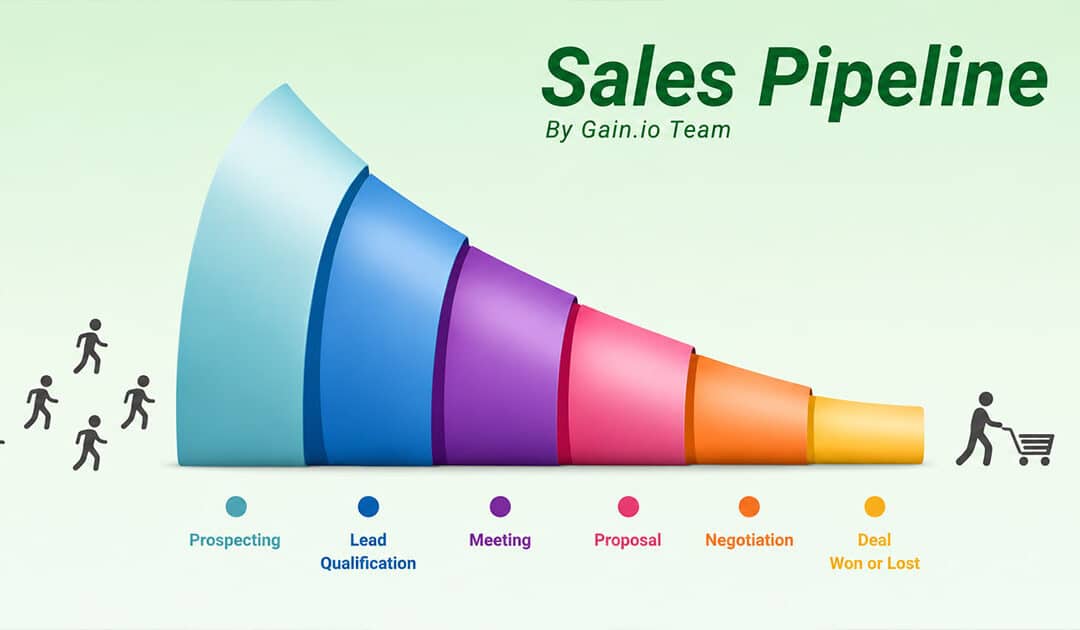
A visual sales pipeline differs from a sales funnel in both purpose and usage. A sales funnel focuses on lead volume and conversion rates at a high level, while a sales pipeline tracks active sales opportunities and deal flow in real time. The pipeline view supports daily execution, not just analysis.
Visual representation helps map the full sales process from lead generation to paying customers. Each stage of the pipeline aligns with buyer intent, ensuring that qualified leads, potential customers, and high-value opportunities receive appropriate attention. Visual pipelines matter even more in complex sales cycles, where multiple stakeholders, longer deal velocity, and higher average deal size increase the need for clarity.
How Deal Clarity Affects Sales Results
Clear deals form the backbone of a reliable visual sales pipeline. When sales teams share a common understanding of deal status, next actions, and buyer intent, the sales process becomes more predictable, efficient, and aligned with revenue goals.
Clear Deal Status
Clear deal status helps sales reps focus sales efforts on the right opportunities. When each deal stage reflects real buyer behavior, reps understand which sales activities deserve attention and which deals require follow-up. This clarity keeps the sales cycle moving with fewer delays.
A visual sales pipeline shows how many deals exist at each sales stage, reducing confusion and guesswork. Sales teams track progress confidently, maintain deal flow, and protect pipeline health across changing priorities.
Strong Manager Visibility
Sales managers depend on sales pipeline visibility to guide teams effectively. A clear visual representation highlights pipeline stages, deal values, and pipeline value in one view. This visibility supports informed coaching and faster intervention when deals slow down.
Without clarity, pipeline management becomes reactive. With it, managers assess pipeline performance, review pipeline metrics, and improve outcomes through structured feedback based on real customer data.
Higher Conversion Rates
Clear pipelines improve lead qualification and strengthen conversion rates. When each stage of the pipeline stays well-defined, sales reps move deals forward with confidence rather than revisiting unclear steps. This structure reduces friction and keeps buyers engaged.
Deal clarity also improves deal velocity. Teams spot stalled opportunities early, adjust sales strategies, and shorten the average sales cycle length without compromising deal quality.
Reliable Revenue Forecasts
Sales forecasting depends on an accurate pipeline structure. When pipeline stages reflect actual progress, forecasts align with reality. A visual sales pipeline supports accurate sales forecasting by connecting deal flow with real-time pipeline metrics.
Sales leaders use this clarity to accurately forecast revenue and predict future revenue. Visibility into average deal size, sales velocity, and pipeline health reduces surprises and strengthens revenue planning.
Smarter Resource Allocation
Deal transparency supports better resource allocation across sales operations. Teams identify high-value opportunities quickly and avoid wasting time on low-quality potential leads. Sales leaders allocate effort based on pipeline performance, not assumptions.
Clear visibility also improves coordination between sales and marketing teams. Shared insights improve lead generation quality and ensure alignment across the sales pipeline.
Long-Term Revenue Growth
A clear sales pipeline supports consistency across the sales process. Teams rely less on manual data entry and more on structured pipeline management. This approach strengthens customer relationships and reduces friction throughout the buyer’s journey. Also, it increases customer retention.
Over time, deal clarity builds a strong sales pipeline that scales with growth. Sales teams gain valuable insights, improve sales performance, and maintain confidence in decisions that support sustainable revenue growth.
How Visual Sales Pipelines Help Teams Manage Deals
Visual sales pipelines turn complex sales data into an intuitive structure that supports faster decisions and consistent execution. By presenting every deal within clearly defined pipeline stages, sales teams gain visibility, control, and confidence across the entire sales process.
Real-Time Deal Transparency
A visual sales pipeline provides real-time clarity into where each deal sits within the sales pipeline. Sales reps instantly understand the current deal stage, expected next steps, and buyer intent. This transparency removes uncertainty and supports more focused sales activities throughout the sales cycle.
Sales managers benefit from a complete view of pipeline stages and deal values. The visual representation shows how many deals remain active, which opportunities progress steadily, and where attention becomes necessary. Clear transparency improves pipeline health and reinforces disciplined sales pipeline management.
Early Pipeline Friction Signals
Clear pipeline visibility helps teams recognize friction points early in the sales process. When deals slow down at a specific sales stage, the visual sales pipeline exposes the issue without manual analysis. Sales managers identify delays that affect deal flow and future revenue.
These early signals support timely intervention. Teams review pipeline metrics to understand whether lead qualification, pricing discussions, or internal approvals cause delays. Faster response prevents lost opportunities and keeps the sales pipeline strong.
Low-Effort Deal Maintenance
Drag and drop functionality simplifies how sales reps manage pipeline stages. As conversations advance, reps update deal positions quickly without complex workflows or heavy data entry. This approach keeps customer data accurate and current.
Low-effort maintenance improves adoption of sales pipeline tools. Clean data strengthens pipeline management, supports sales forecasting, and reduces dependency on manual data entry. Sales operations teams gain confidence in pipeline metrics and reporting accuracy.
Smarter Opportunity Focus
A visual sales pipeline helps sales teams prioritize leads based on deal values, buyer readiness, and pipeline value. Clear visibility into each stage of the pipeline allows reps to focus on high-value opportunities instead of spreading sales efforts across low-impact potential sales leads.
This focus improves deal velocity and resource allocation. Sales reps invest time where conversion likelihood remains highest, which shortens the average sales cycle length and increases average deal size. Strong prioritization supports a healthier sales pipeline.
Shared Revenue Alignment
Shared pipeline visibility improves coordination between sales and marketing teams. Marketing teams see how leads perform beyond the lead qualification stage, while sales teams gain confidence in lead quality and intent.
This alignment strengthens sales and marketing collaboration around pipeline health and revenue growth. Clear insights into customer data and deal stage outcomes improve lead generation strategy and messaging consistency across the buyer’s journey.
Consistent Scale Readiness
Visual sales pipelines support consistency as sales teams grow. Standardized pipeline stages and clear deal tracking help sales managers maintain oversight even as deal volume increases. Teams rely on shared structure rather than individual judgment.
This consistency improves sales performance and forecasting accuracy. Visibility into sales velocity, pipeline performance, and pipeline value helps teams accurately forecast revenue and predict future revenue. Visual pipelines become essential for scalable, long-term growth.
How Sales Pipeline Software And CRM Improve Pipeline Visibility
Sales pipeline management software and CRM systems provide the structure sales teams need to maintain clarity at scale. By centralizing data, standardizing pipeline stages, and supporting automation, these tools turn a visual sales pipeline into a reliable system for execution, forecasting, and performance management.
Limits Of Manual Tracking
Manual tracking creates blind spots across the sales pipeline. Spreadsheets and disconnected tools fragment customer data, delay updates, and distort pipeline metrics. Sales reps spend time on data entry instead of sales activities, which reduces adoption and accuracy.
Errors compound as deal flow increases. Inconsistent updates weaken pipeline health, disrupt sales forecasting, and hide bottlenecks. Without a single source of truth, sales managers struggle to assess pipeline performance, leading to missed sales targets and unreliable future revenue projections.
Centralized Pipeline Control
Sales pipeline management software centralizes pipeline stages, deal values, and sales activities in one system. This structure gives sales teams a clear visual representation of the entire sales process, from lead qualification to closing deals.
Centralization improves pipeline visibility and supports consistent pipeline management. Sales managers review pipeline value and deal stage status in real time, while sales reps maintain focus on qualified leads. Central control strengthens a healthy sales pipeline and improves decision quality across sales operations.
CRM As The Data Foundation
CRM software serves as the foundation for accurate pipeline management. Customer data, customer relationships, and customer interaction history remain connected to each deal, ensuring that pipeline stages reflect real buyer behavior.
This connection improves lead qualification and clarifies the buyer’s journey. Sales teams understand context at every sales stage, which improves conversion rates and supports a successful sale. Reliable CRM data also strengthens pipeline metrics and supports data-driven decisions.
Stronger Rep Productivity
Pipeline management tools improve organization for sales reps. Clear views of the stage of the pipeline help reps prioritize leads based on deal values and readiness. Less time goes to manual data entry, while more time goes to selling.
Improved productivity increases deal velocity and supports closing more deals. Sales reps manage follow-ups efficiently, reduce missed actions, and maintain momentum throughout the sales cycle. Higher efficiency supports stronger sales performance without increasing workload.
Better Manager Oversight
Sales managers rely on pipeline management tools for visibility and control. Clear dashboards show how many deals exist at each sales stage, average deal size, and pipeline performance trends. This oversight supports coaching and timely intervention.
Accurate views into pipeline health improve resource allocation. Managers shift focus toward high-value opportunities and address stalled deals early. Better oversight improves sales forecasting accuracy and helps teams accurately forecast revenue.
Automation And Forecast Accuracy
Automation strengthens pipeline reliability. Sales pipeline tools automate tasks such as reminders, reporting, and stage updates, which keep pipeline data current. Consistent updates improve trust in pipeline metrics and reduce operational friction.
Reliable data supports accurate sales forecasting. Sales leaders use insights from pipeline performance, sales velocity, and average sales cycle length to predict future revenue. Automation ensures that forecasts reflect reality, not outdated assumptions, supporting sustainable revenue growth.
Best Practices For Managing A Healthy Visual Sales Pipeline
A healthy visual sales pipeline depends on structure, consistency, and disciplined execution. When teams combine clear pipeline stages, reliable data, and regular review habits, the sales pipeline stays predictable, supports accurate forecasting, and drives sustainable revenue growth across the entire sales process.
Clear Pipeline Stages
A healthy sales pipeline starts with clearly defined pipeline stages that reflect real steps in the buyer’s journey. Each sales stage should signal a meaningful shift in buyer intent, not internal activity. This structure helps sales reps understand expectations at every deal stage.
Clear stages also improve lead qualification. Sales teams distinguish qualified leads from early potential leads with confidence. Consistent stage definitions strengthen pipeline health, reduce confusion, and improve conversion rates across the sales cycle.
Consistent Deal Updates
Accurate pipelines rely on timely deal updates. Sales reps must update deal stages as conversations evolve to maintain reliable pipeline visibility. A visual sales pipeline supported by drag-and-drop updates encourages consistency without heavy manual data entry.
Consistent updates improve pipeline management and protect pipeline metrics from distortion. Sales managers trust the data they see, while sales operations teams rely on clean customer data for reporting, forecasting, and performance analysis.
Focus On Quality Leads
A strong sales pipeline prioritizes quality over volume. Sales teams perform better when they focus on qualified leads with clear buying intent instead of chasing every potential customer. Visual pipelines help prioritize leads based on deal values and readiness.
This focus improves deal velocity and average deal size. Sales reps invest time where success remains likely, which shortens the average sales cycle length and increases closing deals without increasing sales pressure.
Regular Pipeline Reviews
Routine reviews keep the sales pipeline healthy. Sales leaders should conduct regular pipeline reviews to assess deal flow, stalled opportunities, and stage progression. These reviews rely on pipeline metrics instead of assumptions.
Review sessions reveal risks early and support timely corrective action. Sales managers adjust sales strategies, realign sales efforts, and maintain pipeline performance. Regular reviews protect future revenue and strengthen forecasting accuracy.
Metric-Driven Decisions
Pipeline metrics guide effective sales management. Metrics such as pipeline value, conversion rates, sales velocity, and average sales cycle length provide insight into pipeline health and sales performance.
Sales leaders use these insights for data-driven decisions. Clear metrics support realistic sales targets, better resource allocation, and improved sales forecasting. Reliable data also helps teams accurately forecast revenue and predict future revenue trends.
Ongoing Pipeline Refinement
Healthy pipelines evolve as markets and buyer behavior change. Sales teams should refine pipeline stages, update qualification criteria, and adjust sales strategies based on performance insights. Visual representation makes these refinements easier to evaluate.
Ongoing refinement strengthens customer relationships and improves alignment between sales and marketing teams. Over time, consistent optimization builds a strong sales pipeline that supports long-term revenue growth and scalable sales operations.
How Gain.io Supports Visual Sales Pipeline Clarity
Gain.io helps businesses simplify pipeline management by providing centralized deal visibility across sales and marketing. Teams gain a clear view of deal stages, pipeline stages, and deal flow without excessive data entry or manual tracking, which improves adoption across sales teams and sales reps.
Simplified pipeline views allow faster deal assessment and better prioritization of potential leads based on deal values and buyer intent. Clear tracking ensures that every stage of the pipeline reflects real progress, improving sales pipeline visibility, pipeline health, and pipeline performance across the sales cycle.
Collaboration features strengthen sales and marketing alignment, while practical insights support data-driven decisions for sales managers and sales leaders. With stronger sales pipeline management, teams accurately forecast revenue, predict future revenue, improve sales velocity, and close more deals that convert into paying customers, supporting long-term revenue growth.
FAQs
What Makes A Visual Sales Pipeline Important For Sales Teams?
A visual sales pipeline provides immediate clarity into sales activities, deal stage, and pipeline value. Visual clarity improves day-to-day execution and supports sales pipeline important decisions without delays or confusion.
How Does A Visual Sales Pipeline Improve Sales Forecasting?
Pipeline visibility connects real data with sales forecasting. Teams can accurately forecast revenue by tracking pipeline metrics, deal velocity, and conversion rates instead of relying on assumptions.
What Sales Metrics Benefit Most From Visual Pipelines?
Deal velocity, pipeline health, conversion rates, average sales cycle length, and average deal size benefit significantly. These metrics support better sales strategies and data-driven decisions.
Can Visual Sales Pipelines Improve Lead Qualification?
Visual pipelines improve lead qualification by showing where potential customers stand in the buyer’s journey. Clear differentiation between qualified leads and early-stage prospects prevents wasted sales efforts.
Are Visual Sales Pipelines Suitable For Growing Sales Teams?
Visual sales pipelines scale effectively as sales teams expand. Clear pipeline management supports higher deal volume, stronger sales performance, and sustained revenue growth without added complexity.
How Do Visual Sales Pipelines Help Identify Bottlenecks?
A visual sales pipeline makes it easy to identify bottlenecks by showing where deals slow down across pipeline stages. Clear pipeline visibility highlights stalled sales activities, delayed approvals, and gaps in lead qualification.
Do Visual Sales Pipelines Improve Collaboration Between Sales And Marketing?
Visual sales pipelines improve collaboration by giving sales and marketing teams shared visibility into deal stages and pipeline performance. Marketing teams understand which leads convert into paying customers, while sales teams gain confidence in lead quality.
Small inefficiencies cost sales teams countless valuable hours. Smart sales leaders know they can double their results without hiring more people by eliminating these productivity drains. Your sales reps might waste ten minutes searching for the right file before each call. The lost selling time adds up to several hours daily when multiplied across your team.
Success in sales productivity requires working smarter, not harder. The best organizations have shifted 50% of non-selling tasks away from their teams. They aggressively automate their sales processes, which creates 20% more capacity. Real results come from this sales optimization strategy. Companies that clearly define excellence for their sales roles see 8% higher revenue attainment and 17% better win rates. Leading businesses have achieved something even more remarkable - their revenue per sales representative has jumped 3-15% through advanced technology investment and focused engagement with high-value accounts.
In this article, we will show you proven strategies to streamline your sales process and remove productivity roadblocks. You'll learn how to double your sales success without adding new team members. The competitive digital world demands smarter solutions than just adding headcount. Your current sales force's untapped potential often yields better results at a fraction of the cost.
How Businesses Double Sales Without Hiring More People
High-leverage sales teams achieve growth through focus and structure, not by adding more salespeople. Instead of expanding the sales force, they refine the sales process, clarify each sales role, and remove friction that slows sales reps. This strategy helps sales organizations grow revenue, close deals faster, and meet client needs without increasing headcount or extending the hiring process.
Automation That Frees Sales Time
Top-performing sales teams reduce low-value work that distracts sales reps from selling. Manual CRM updates, follow-ups, scheduling, and document handling consume hours every week. Sales automation shifts this burden away from sales professionals and protects focus.
With more time for prospects and customers, sales pipelines stay active, and deals move forward faster. Salespeople build stronger relationships, understand client needs more clearly, and improve close rates. This creates sales success without hiring more salespeople or increasing costs.
Structured And Repeatable Sales Process
Successful sales organizations rely on a clear, documented sales process that every sales rep follows. From lead qualification to closing deals, each step includes defined actions and exit criteria. This removes guesswork and supports consistent performance across the team.
Repeatable processes help management spot issues early through data, not guesswork. Founder-led sales transitions into scalable execution, new reps ramp faster, and the sales force operates with shared direction instead of individual habits.
Continuous Training And Skill Development
High-performing teams view training as an ongoing investment, not a one-time job. Regular coaching improves selling skills, confidence, and adaptability across the sales team.
This approach keeps top performers engaged while raising overall ability. Sales professionals communicate value more effectively, handle objections with clarity, and build trust with clients. Continuous development delivers better results than constant hiring and reduces long-term costs.
Focus On The Right Prospects
Efficient sales or engineering teams protect time by targeting the right prospects. Clear qualification rules prevent sales person from chasing low-fit opportunities. Strong alignment between marketing and sales ensures potential customers match the company's solution.
This discipline improves pipeline quality and close rates. Sales people focus on deals with real revenue potential, not guesses. Healthy competition grows because effort connects directly to success, money earned, and measurable growth.
Strong Leadership And Data Discipline
Effective sales leaders rely on accurate data to guide strategy. Dashboards track pipeline health, deal progress, and rep performance across the sales organization.
Clear sales visibility helps management coach effectively and set realistic goals. Sales reps understand expectations, priorities stay clear, and obstacles get removed quickly. This environment supports sustainable growth and helps businesses double sales without hiring more people or stretching existing resources.
When A CEO Must Shift From Founder Led Sales To Scalable Systems
Founder led sales works well in the early stage of a SaaS company, but clear signs appear when it starts to limit growth. Deals depend too heavily on the CEO, pipeline visibility stays weak, and sales reps wait for approvals instead of closing deals independently. This creates risk for revenue, investors, and the future of the business.
The correct move comes when the sales process needs consistency, not heroics. A CEO should step back from daily selling once sales reps can follow documented steps, handle objections confidently, and meet client needs without constant guidance. At this point, systems, data, and management replace intuition. This shift allows the sales organization to scale, build trust with customers, and double sales without hiring more people.
Why Sales Efficiency Is More Important Than Headcount
Sales growth rarely depends on team size alone. Strong sales organizations prioritize efficiency, clarity, and focus across the sales process. When sales reps spend more time with prospects and customers, revenue rises without pressure to hire more sales people or expand the sales force.
Hidden Time Loss Inside Sales Teams
Sales reps lose a large share of their workday to tasks unrelated to selling. CRM updates, internal reporting, document preparation, and approval workflows consume valuable hours. These activities feel necessary, yet they generate no direct revenue for the company.
When sales professionals stay busy but disconnected from prospects, pipelines slow down. Sales leaders often misread this as a capacity problem and rush into the hiring process. In reality, better time control inside the sales role unlocks immediate revenue growth without adding headcount.
Administrative Work That Blocks Revenue
Administrative overload quietly limits sales success. Sales reps handle contracts, proposals, data cleanup, and internal follow-ups that drain energy and focus. These responsibilities reduce time for conversations that build trust and uncover client needs.
High-performing sales teams remove these obstacles through smarter systems. Automation and shared resources shift admin work away from sales people. This change improves focus, strengthens relationships, and increases deal flow across the entire sales organization.
Context Switching And Lost Focus
Frequent task switching damages productivity more than most leaders expect. Sales professionals jump between emails, meetings, CRM tools, and messaging apps throughout the week. Each switch forces the brain to reset priorities and rules.
This mental disruption weakens selling performance. Sales reps struggle to stay present during calls, miss buying signals, and lose momentum on deals. Reduced focus leads to slower pipelines and weaker close rates, even when effort levels remain high.
Revenue Per Rep As A Core Metric
Revenue per rep shows how efficiently a sales force converts effort into money. Strong efficiency improves this metric faster than adding more sales people. A small gain in productive selling time often equals the output of an additional hire.
Sales leaders who track this metric gain clearer insight into performance gaps. Better data supports correct decisions around process improvement, training, and investments. The result shows up as steady revenue growth without higher payroll costs.
Automation That Expands Sales Capacity
Automation tools handle repetitive tasks across the sales process. Lead scoring, follow-ups, scheduling, and data entry shift away from manual effort. Sales reps regain time for conversations that move deals forward.
This change supports faster deal cycles and healthier pipelines. Sales professionals focus on prospects with real intent instead of chasing every lead. Automation acts as a force multiplier, not a replacement for skill or relationships.
Efficiency As A Scalable Growth Strategy
Efficient sales teams scale through structure, not stress. Clear roles, consistent processes, and strong data discipline support long-term success. The founder led sales transitions smoothly into team-led execution without chaos.
This strategy protects morale and strengthens performance. Sales people feel supported, leadership gains visibility, and customers receive better experiences. Companies that prioritize efficiency double sales without hiring more people and build a stronger future for the business.
Top Performers Vs System-Driven Teams
Top performers often carry a sales organization in the early stages. They close deals fast, rely on instinct, and build strong relationships. However, their success rarely scales. When revenue depends on a few sales people, growth becomes fragile and unpredictable.
System-driven teams spread success across the entire sales force. Clear sales processes, defined sales roles, and shared data allow average reps to perform closer to top performers. This reduces dependency on individual talent and protects revenue when people leave, change roles, or burn out.
Relying on hero salespeople limits growth. Building systems lifts the entire team. Sales reps follow proven steps, managers coach with clarity, and leadership gains predictable pipeline control. This shift creates steady revenue growth without hiring more sales people or increasing risk.
Hidden Sales Bottlenecks That Limit Revenue Growth
Many sales teams miss revenue targets due to bottlenecks buried inside daily workflows. These issues hide across tools, training, and communication. Removing them helps sales organizations grow revenue, close deals faster, and double sales without hiring more people.
Unclear Sales Stages And Handoffs
Undefined sales stages create confusion across the sales process. Sales reps interpret progress differently, which leads to stalled deals and missed follow-ups. Without clear rules, prospects receive mixed messages and lose confidence in the company.
Poor handoffs between marketing, sales, and finance worsen the issue. Duplicate outreach, repeated data entry, and misaligned expectations frustrate potential customers. A structured sales process with clear ownership at each stage restores momentum and supports consistent sales success.
Tool Overload And Data Fragmentation
Sales professionals rely on multiple platforms to manage prospects, deals, and documents. Each additional tool increases friction and drains focus. Switching between systems wastes time and increases errors across the sales organization.
Disconnected tools also create unreliable data. Leads appear qualified in one system and invalid in another. This inconsistency breaks trust in reports and slows decision-making. Unified platforms reduce confusion and give sales reps reliable information to move deals forward. At some point, you might need a coach to show you how to do it properly
Slow Sales Onboarding
New sales reps often take months to reach full productivity. Weak onboarding programs leave skill gaps and unclear expectations. This delay impacts revenue and increases pressure on existing sales people.
Effective onboarding focuses on real sales scenarios, not generic training sessions. Clear documentation, accessible resources, and guided practice shorten ramp time. Faster readiness helps sales teams grow revenue without adding more sales people or extending the hiring process.
Lack Of Continuous Coaching
Sales reps repeat mistakes when feedback arrives too late. Annual reviews fail to support skill improvement in fast-moving sales environments. Without regular guidance, small issues turn into lost deals.
Ongoing coaching connects feedback to live opportunities. Managers identify patterns, correct messaging, and reinforce good habits. This approach builds confidence, improves selling skills, and strengthens relationships with customers over time.
Weak Alignment With Customer Needs
Sales teams struggle when they prioritize scripts over real client needs. Rigid messaging fails to adapt to different industries, deal sizes, and decision cycles. Prospects sense this mismatch quickly.
High-performing sales professionals listen first and tailor responses based on context. Clear qualification criteria help reps focus on the right prospects. Strong alignment builds trust and increases close rates across the pipeline.
Limited Visibility Into Sales Data
Sales leaders make poor decisions without accurate, real-time data. Outdated reports hide pipeline risks and delay corrective action. This lack of visibility affects forecasting and resource allocation.
Reliable dashboards reveal deal health, rep performance, and bottlenecks early. Data-driven leadership supports better strategy, stronger management, and sustainable growth. Teams that fix visibility issues unlock higher revenue without expanding the sales force.
How Automation Multiplies Sales Output Across Teams
Automation helps companies double sales without hiring more people by restoring focus inside the sales team. When systems handle repetitive work, sales reps spend more time selling, understanding client needs, and closing deals. This shift drives growing revenue across the sales organization without expanding the hiring process.
AI Lead Scoring For Better Focus
AI-powered lead scoring helps sales professionals prioritize prospects with the highest chance to convert. Instead of guesswork, data from marketing activity, website behavior, and past deals guide the sales role. Sales reps focus energy where money and revenue potential exist.
This clarity supports sales success across SaaS companies and competitive industries. Salespeople engage potential customers at the right moment, improve pipeline quality, and build trust faster. Better focus allows top performers to succeed without adding more salespeople.
Automated Follow-Ups That Close Deals
Missed follow-ups remain a major reason deals fail. Automation ensures no prospect slips through the pipeline. Sales reps receive reminders or automated messages based on behavior and stage in the sales process.
This consistency strengthens relationships with customers and clients. Sales professionals stay responsive without juggling two jobs or manual tracking. Automated follow-ups support correct timing, better conversations, and higher close rates across the sales force.
Scheduling Systems That Save Time
Scheduling delays slow down selling and frustrate prospects. Automated scheduling tools remove back-and-forth emails and allow potential customers to book meetings instantly. Lead routing balances workloads across reps.
This structure supports healthy competition inside the team. Sales reps protect focus, reduce admin work, and spend more time talking with prospects. Faster scheduling improves deal velocity and sales success without additional resources.
CRM Automation That Protects Selling Time
Manual CRM updates waste valuable selling hours each week. Automation captures calls, emails, meetings, and documents without extra effort from the salesperson.
Accurate data supports management decisions and forecasting. Sales leaders gain visibility into pipeline health, deals, and rep performance. Less admin work means more time for building trust, improving skills, and driving revenue growth.
Task Automation Across The Sales Process
Task automation keeps deals moving forward. Systems create tasks, update stages, and flag stalled opportunities automatically. Sales reps always know the next correct step.
This consistency strengthens the sales process and reduces guesswork. Salespeople focus on prospects instead of process maintenance. Clear structure helps teams succeed without pressure to hire or expand headcount.
Revenue Growth Without Extra Hires
Automation multiplies output by reclaiming lost hours across the sales organization. A team of two sales reps can perform like a larger sales force when systems support them.
Companies that invest in automation make a good move for the future. Strong processes, reliable data, and focused selling help businesses double sales without hiring more people or increasing management overhead.
How To Build Systems That Scale Without Extra Staff
Scalable sales systems help companies grow revenue without adding pressure on hiring or resources. Clear processes, strong enablement, and smart automation allow sales teams to perform consistently. When systems support people, sales organizations expand output without expanding headcount.
Clear Sales Playbooks Across Teams
A strong sales playbook removes uncertainty from daily selling. Sales reps follow documented steps instead of guessing what works. Clear guidance supports sales professionals across roles and experience levels. Messaging stays consistent, and prospects receive a unified experience.
Effective playbooks include scripts, objection handling, qualification rules, and deal progression criteria. This structure creates alignment across the sales organization. Salespeople gain confidence, managers coach with clarity, and customers receive accurate responses. Standardization turns individual success into repeatable sales success.
Repeatable Sales Motions That Convert
Repeatable sales motions replace founder-led sales with scalable execution. Each sales rep follows the same proven actions that move prospects through the pipeline. This approach reduces dependency on top performers alone.
Well-designed sales motions focus on customer needs and remove wasted effort. Administrative work drops, while selling time increases. Sales teams close deals faster and improve revenue per rep. Consistency supports growth without more salespeople or added management strain.
Role Clarity Inside The Sales Team
Clear sales roles prevent overlap and confusion. Each salesperson understands responsibility within the sales process. Handoffs between marketing, sales, and customer success become smoother.
This clarity protects focus and improves collaboration. Sales reps avoid duplicate work and prioritize high-value prospects. Managers track performance more accurately. Defined roles help sales teams grow revenue while keeping the team lean and effective.
Enablement Content That Supports Selling
Strong enablement content equips sales professionals to succeed in real conversations. Case studies, product demos, pricing guides, and battlecards support confidence and credibility.
Content mapped to buyer stages helps salespeople address objections and build trust. Prospects receive the right information at the right time. This approach improves close rates and shortens sales cycles. Effective enablement reduces training gaps without extra hiring.
Automation That Protects Sales Focus
Automation removes repetitive tasks from the sales role. Follow-ups, task creation, data updates, and reminders happen automatically. Sales reps spend more time talking with prospects and clients.
This shift increases selling capacity across the team. Pipelines move faster, forecasts improve, and managers gain better visibility. Automation supports scale while preserving focus and energy for revenue-driving work.
Data Discipline Across The Sales Process
Accurate data supports correct decisions. Sales leaders rely on pipeline health, deal velocity, and conversion metrics to guide strategy. Clear dashboards reveal gaps before revenue drops.
Data-driven sales organizations adjust quickly and invest wisely. Sales reps understand priorities, managers coach effectively, and leadership plans for future growth. Strong systems, not more staff, create sustainable success.
Culture That Rewards Process And Skill
A scalable system thrives within the right culture. Sales teams value skill, discipline, and continuous improvement. Healthy competition motivates without burnout.
This environment supports long-term growth. Salespeople succeed through structure, not stress. Companies that align culture with systems double sales without hiring more people and protect future momentum.
How Gain.io Enables Sales Growth Without Increasing Headcount
By the time sales teams reach scale, tool overload, missed follow-ups, and unclear pipeline ownership begin to slow revenue growth. Gain.io addresses these issues by unifying the entire sales process into one system that protects focus and removes manual work.
Sales reps spend more time selling because follow-ups, task creation, and pipeline updates happen automatically. Managers gain real-time visibility into deal health and rep activity, which supports faster coaching and better decisions. Instead of juggling disconnected tools, sales organizations operate with shared data, clear accountability, and consistent execution. For SaaS companies that want to double sales without hiring more people, Gain.io turns existing teams into a more effective sales force. They have some amazing features in their CRM
FAQs
Can A Small Sales Team Really Double Revenue Without New Hires?
Yes. When a sales team removes admin work, sharpens the sales process, and focuses on the right prospects, revenue per sales rep increases. This approach often outperforms adding more sales people.
What Signals Show A Sales Team Is Ready To Scale Without Hiring?
Clear signs include a full pipeline, missed follow-ups, heavy admin load, and sales reps stretched across two jobs. These indicate efficiency gaps, not headcount shortages.
How Does Sales Automation Affect Relationships With Customers?
Used correctly, automation protects relationships by improving timing and consistency. Sales professionals gain more time for talking, understanding client needs, and building trust with customers.
Is This Strategy Suitable For Non-SaaS Businesses?
Yes. Any business with a repeatable sales role and defined sales process can apply this strategy. SaaS companies benefit most, but the principles work across industries.
How Long Does It Take To See Results From Sales Efficiency Improvements?
Many teams notice early gains within a few weeks. Strong improvements in pipeline health, focus, and close deals usually appear within one to three months.
Does This Reduce The Need To Hire Sales People In The Future?
No. It delays hiring until the move becomes correct. Strong systems ensure new hires add revenue instead of increasing management burden and costs.
What Metrics Best Measure Sales Success After These Changes?
Revenue per rep, pipeline conversion rates, deal velocity, and time spent selling provide the clearest signals. These metrics show whether the strategy works in reality.
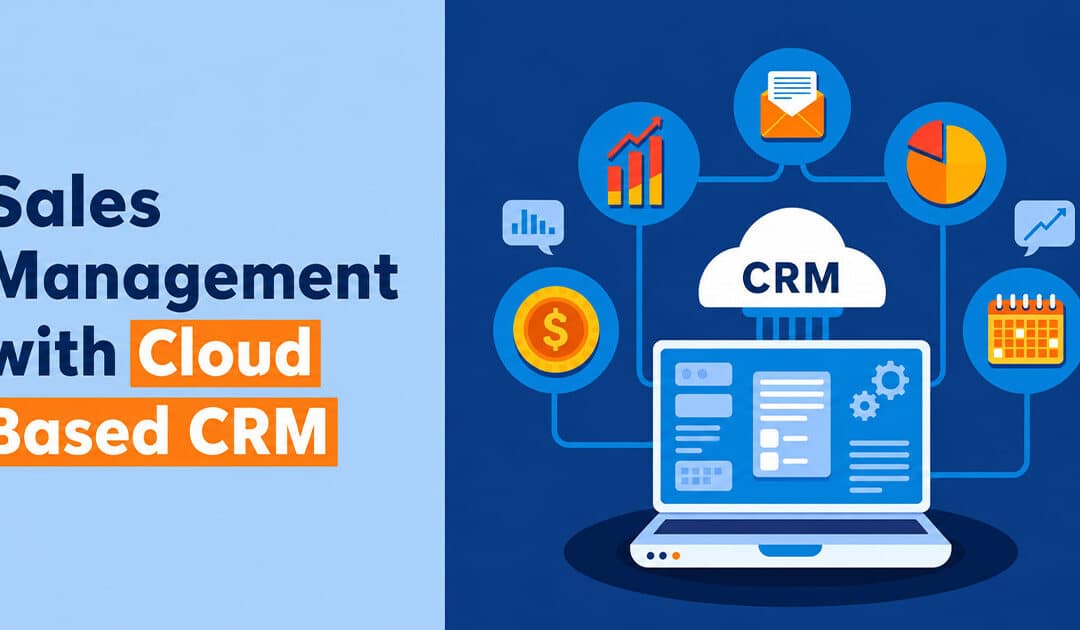
Sales teams now prefer cloud-based CRM, with 87% of businesses choosing these solutions over device-limited software. Companies clearly want tools their teams can use anywhere, anytime.
Cloud-based CRM systems provide remarkable advantages for sales management, regardless of business size. Teams see boosted productivity, higher profits, and better customer service with this software. On top of that, these solutions run on the provider's servers instead of yours. Your team stays organized without complex IT setups.
Remote work has pushed many organizations toward cloud-based CRM solutions. These systems offer more flexibility than traditional on-premise installations. Sales teams can manage customer relationships, track performance with up-to-the-minute data, and work together smoothly - they just need an internet connection.
This article covers everything about sales management with cloud-based CRM for 2026. You'll learn about key features, security measures, implementation strategies, and ways these systems help sales teams close more deals while creating tailored customer experiences.
What Is Sales Management With Cloud-Based CRM
Sales Management with Cloud-Based CRM connects sales teams, customer data, and sales processes inside one secure cloud crm platform. A cloud based crm works as a modern crm solution that helps businesses manage customer relationships, track customer interactions, and organize sensitive customer information without complex software installations. Sales reps access customer information, contact management, sales data, and the full history of accounts through mobile access and any internet connection, improving customer engagement and customer satisfaction.
Unlike traditional crm, modern cloud CRMS update automatically, integrate with existing software, accounting software, and other business tools, and apply robust security measures such as strict access controls, regular backups, and data security against emerging threats. This crm system supports sales automation, sales forecasting, reporting tools, and artificial intelligence, helping teams gain valuable insights, improve sales performance, streamline collaboration, and close deals faster. For small business and enterprise teams, this is just the beginning of cloud-based sales success.
Core Challenges In Traditional Sales Management
Traditional sales management often struggles to keep pace with modern buyer behavior, complex sales cycles, and data-driven expectations. Legacy systems, manual workflows, and disconnected teams reduce visibility, slow decisions, and limit sales performance across the entire sales pipeline.
No Real-Time Sales Data
Sales teams that rely on traditional CRM systems work with delayed sales data. Customer interactions, deal updates, and pipeline changes appear after hours or days. This gap prevents sales reps and managers from responding to opportunities at the right moment. Sales strategies depend on outdated customer information instead of real-time insights.
Without live access to customer data, sales forecasting becomes unreliable. Managers track performance based on past activity rather than current momentum. Market shifts, competitor actions, and buyer intent remain invisible, which directly affects close rates and revenue growth.
Manual Data Entry Overload
Traditional sales management depends heavily on manual data entry. Sales reps update spreadsheets, emails, and disconnected crm tools after calls and meetings. This process consumes valuable selling time and increases frustration across the team.
Manual workflows also introduce errors in customer records, contact management, and sales reports. Inaccurate data weakens sales forecasting and reporting tools. Instead of focusing on customer engagement and personalized interactions, sales teams spend hours maintaining systems that should support them.
Disconnected Customer Information
Customer information often lives across multiple systems in traditional crm environments. Emails, call notes, proposals, and support history remain scattered. Sales reps lack a full history of customer relationships, which limits personalized customer journeys.
This fragmentation causes inconsistent communication and poor customer satisfaction. One team may not know what another team promised. Sensitive customer data spreads across unsecured files, increasing data security risks and reducing trust in the crm system.
Slow And Inaccurate Forecasting
Sales forecasting in traditional sales management relies on manual reports and assumptions. Managers collect updates through meetings and spreadsheets, then consolidate numbers by hand. This approach delays decisions and weakens confidence in forecasts.
Inaccurate forecasting impacts resource planning, revenue targets, and leadership decisions. Without real-time sales data and automated reporting tools, teams react late to pipeline risks. Missed targets become common, even when demand exists.
Weak Team Collaboration
Traditional crm tools fail to streamline collaboration between sales, marketing, and customer success teams. Each department uses different software, metrics, and workflows. Sales reps switch between systems, which slows productivity and reduces focus.
This lack of alignment hurts customer engagement. Prospects receive mixed messages, and internal handoffs feel disjointed. Poor collaboration limits valuable insights that could improve sales performance and customer relationships.
Limited Mobility For Sales Reps
Many traditional crm systems lack proper mobile access. Sales reps in the field struggle to update customer data or review deal details without returning to the office. This delay causes missed follow-ups and weaker customer interactions.
Without cloud-based sales tools, teams lose flexibility. Modern sales require instant access through any internet connection. Traditional systems restrict responsiveness, which directly affects close deals and overall sales performance.
High IT And Maintenance Burden
Traditional crm platforms require constant support from the IT team. Software installations, updates, backups, and security measures demand time and budget. This overhead slows innovation and limits scalability for small businesses and enterprise teams.
As emerging threats increase, outdated systems struggle to protect sensitive customer information. Without robust security measures, strict access controls, and regular backups, businesses face higher risk and lower confidence in their crm experience.
Role Of Cloud-Based CRM In Modern Sales Teams
Sales teams today need the right tools that connect people, processes, and information. Cloud-based CRM plays a central role in this transformation and offers capabilities that traditional systems can't match. Let's look at how these powerful platforms reshape sales operations in organizations of all sizes.
Centralizing Customer Data
Cloud CRM solutions work as a central hub for all customer information and create what experts call a "single source of truth." This unified approach helps everyone in your organization access similar, current customer profiles.
This central approach offers several key benefits:
Complete customer visibility - Cloud CRM platforms collect data from both internal sources and external applications. This removes information silos that used to keep valuable insights hidden
Immediate updates - The system refreshes automatically as team members talk to customers. This ensures everyone works with current information
Complete view - All touchpoints appear in order from first contact through ongoing service. This gives sales teams valuable context for every interaction
These changes deeply affect sales management. Teams no longer waste time searching through scattered systems or spreadsheets. Cloud-based CRM combines everything from contact details to purchase history in one available location. Sales professionals can focus on building relationships instead of doing administrative work.
Enabling Remote Sales Operations
Knowing how to work from anywhere has become essential rather than optional. Cloud-based CRM solutions excel here by providing what experts call "around-the-clock accessibility".
Sales teams gain these vital benefits from remote access:
Location flexibility - Sales representatives can view prospect details, update records, or send proposals from any location - office, home, or client meetings
Device independence - Team members access similar information through web browsers or dedicated mobile apps on laptops, smartphones, or tablets
Offline capabilities - Advanced cloud CRMs work offline and sync automatically when the connection returns. This prevents service disruptions even with poor internet
Field representatives benefit most from this flexibility. They can create opportunities, update contacts, and track activities despite unreliable networks or while traveling. The cloud infrastructure handles software updates and security patches without IT help.
Improving Cross-Department Visibility
Cloud-based CRM breaks down traditional barriers between departments. This cross-functional transparency creates what many call "governed collaboration".
The practical benefits include:
Continuous information flow - Data moves freely between teams. Marketing insights shape sales approaches, and customer service experiences guide future marketing
Simplified processes - Cloud CRM blends with communication tools like Slack and productivity suites to create unified work environments
Immediate coordination - The platform updates instantly. Sales teams see leads as soon as marketing qualifies them
This visibility boosts sales performance directly. Marketing campaign leads appear instantly in the sales pipeline with full interaction history and engagement scores. Sales representatives get complete intelligence before making contact. This leads to individual-specific conversations and higher conversion rates.
Organizations that connect teams through cloud-based CRM eliminate gaps that used to hurt customer experiences and slow down sales cycles. Everyone works toward common goals with shared insights, creating a unified approach.
Key Features Of Cloud-Based CRM For Sales Management
Cloud-based CRM platforms equip sales teams with powerful tools to manage customer relationships, streamline sales processes, and improve sales performance. These essential features combine automation, real-time insights, and secure access to help modern businesses stay organized and competitive.
Contact And Lead Control
A cloud based crm centralizes customer information, allowing businesses to manage relationships from one crm platform. Sales reps access full customer history, previous customer interactions, and contact management details without switching systems. This unified view supports personalized interactions and stronger customer engagement.
Lead management features help sales teams track prospects across every stage of the sales pipeline. Automated lead assignment, follow-up alerts, and engagement tracking remove guesswork. Sales strategies improve because teams focus on qualified leads that show real intent.
Sales Pipeline Visibility
Clear sales pipeline visibility remains a core benefit of modern cloud crms. Each deal moves through defined stages, making sales processes easy to track and analyze. Sales managers review sales data by rep, region, or product with real-time insights.
This transparency allows teams to identify stalled deals early and adjust sales strategies quickly. Accurate pipeline views also improve sales forecasting and resource planning, which supports more sales and predictable growth.
Sales Automation Tools
Sales automation reduces manual work across daily tasks. Cloud crm software automates follow-ups, task reminders, and deal updates. Sales reps spend less time on data entry and more time on customer conversations. That's why sales task automation is important.
Automated workflows improve consistency across the team. Every lead receives timely responses, and no opportunity slips through the gaps. These crm tools directly support improved collaboration and higher sales performance.
AI-Driven Sales Insights
Artificial intelligence enhances the crm experience by analyzing sales data and customer behavior patterns. Cloud based crm systems highlight deals that need attention and recommend next steps for sales reps.
AI-powered insights also support personalized customer journeys. Suggested actions, message timing, and engagement cues help teams close deals faster while maintaining strong customer relationships.
Mobile Access And Dashboards
Mobile access allows sales teams to manage customer relationships from anywhere with an internet connection. Sales reps update customer information, review notes, and track performance during meetings or travel.
Custom dashboards display valuable insights at a glance. Reporting tools show progress, sales forecasting data, and pipeline health in real time, helping teams stay aligned and focused.
Secure Data Management
Data security remains critical for any good cloud crm. Modern platforms protect sensitive customer data with robust security measures such as strict access controls, encryption, and regular backups.
These security measures reduce risk from emerging threats and support compliance standards. Businesses trust cloud-based sales systems to protect sensitive customer information without burdening the IT team.
Business Tool Integration
Cloud crm platforms connect seamlessly with existing software, accounting software, knowledge base systems, and other business tools. This integration creates a single source of truth for customer data.
Teams avoid duplicate entries and disconnected workflows. Unified systems streamline collaboration, deliver valuable insights, and allow businesses to scale faster while staying ahead in competitive markets.
Benefits Of Sales Management With Cloud-Based CRM
Cloud-based CRM systems bring quick wins and lasting benefits to sales teams of any size. Let's get into the four most meaningful benefits that make these solutions a must-have for growth-focused businesses.
Lower IT And Infrastructure Costs
Cloud CRM solutions cut down technology costs significantly. You won't need to buy hardware, host servers, handle security protocols, or maintain the system in-house. These changes lead to lower upfront costs and reduced running expenses.
Small businesses see the financial gains even more clearly since they couldn't afford good sales management tools before. Your budget goes further when you don't have to maintain complex tech systems. Cloud-based CRM runs on a simple subscription model, which makes costs easier to manage as you grow.
Your IT team wins too. They can focus on strategy instead of constant system upkeep. The software updates itself through your provider, which means less downtime and better efficiency.
Faster Decision-Making With Live Data
Live access to customer information changes the game for sales teams. Cloud CRM updates your data instantly across the platform. Teams can make quick, smart decisions based on current facts rather than old reports.
This quick access creates several advantages:
Sales reps can see their performance metrics live and adjust their approach right away
Managers don't wait for period-end reports to check team progress
Field teams pull up full customer histories during meetings on their phones
Everyone works with the same up-to-date information, which ends data conflicts
What's the result? Your team spots chances faster and fixes issues early. This quick response keeps your sales pipeline moving smoothly.
Improved Customer Retention
A striking 88% of customers now rate company experience as important as products or services. Cloud-based CRM lifts this experience by giving your team a clear view of each customer relationship.
Your team can build loyalty by tracking customer priorities, what they buy, and past conversations. Sales reps can reach out to customers with relevant offers and updates that show they understand specific needs.
Smart use of customer data helps catch early signs that customers might leave. Your team can step in before customers think about switching. These features help keep customers longer and increase their lifetime value. It helps you to grow the number of customer retention.
Increased Team Efficiency
Cloud CRM solutions change how teams work together completely. A single platform where everyone sees the same information removes communication gaps that usually slow down sales.
Teams using shared CRM tools work better together - they see 47% more efficiency and save up to 97 minutes each week. By connecting with workplace tools like Slack, your sales team stays in touch no matter where they work.
Clear information flow breaks down walls between departments. Sales, marketing, and customer service work better together. Everyone adds to and uses the shared knowledge, creating a united approach to customer relationships that drives better results.
How Cloud-Based CRM Improves Sales Pipeline Visibility
Sales management success depends on clear pipeline visibility. Cloud-based CRM systems excel at showing the complete picture. A reliable cloud CRM shows the exact status of deals and gives teams vital information to close more sales.
Visualizing Each Stage Of The Pipeline
Cloud CRM solutions show your entire sales funnel through clear visual representations. Most platforms come with kanban-style dashboards that turn complex sales data into simple visual elements. These visual pipelines work like roadmaps and plot each milestone as buyers move from their first interest toward final purchase.
The true power lies in bringing your sales process alive. Teams can adjust their views based on unique sales processes, and deals move smoothly through different stages. This visual method helps sales teams keep their momentum and stay alert to promising chances.
Tracking Lead Progress In Real Time
Traditional sales reports are history now. Cloud-based CRM systems show sales activity instantly, which helps teams follow up at the right time to win deals.
These systems blend deal stages with activities and tasks to speed up lead conversion. Your team sees the complete communication history with every lead, which leads to better conversations that target specific pain points.
This up-to-the-minute tracking catches every sales opportunity. A marketing agency switched to cloud CRM with lead tracking features. Their visual sales pipeline helped them focus on the right deals, while behavior patterns led to customized pitches that boosted conversions.
Identifying Bottlenecks Early
Cloud-based pipeline visibility helps spot issues before they hurt your revenue. Built-in reports and dashboards give quick insights into your sales cycle and show exactly where deals get stuck.
A review of cloud CRM data reveals whether sales reps report too much or too little in their pipeline. Managers can use this clear view to:
Review individual and team progress
Spot areas that need quick attention
Make evidence-based decisions faster
Use resources more wisely
Deals often freeze within organizations without proper visibility. A pricing approval waits in finance, legal takes too long, or executive approval misses deadlines. Cloud-based CRM finds these internal roadblocks that older systems miss, which keeps forecasts accurate and deals moving smoothly.
How Cloud CRM Makes Sales Teams More Productive
Sales teams consider time their most valuable asset. Cloud CRM systems have become reliable allies that help sales professionals focus on what matters most, building relationships and closing deals.
Reducing Time Spent On Admin Tasks
Sales representatives spend up to 2 hours and 15 minutes per day on data entry and administrative tasks. This valuable time gets lost to paperwork instead of building customer relationships. Cloud CRM significantly reduces this administrative load through:
The system automatically captures emails, events, and customer interactions
A central data storage eliminates the need to search across multiple platforms
Optimized data entry reduces manual processes
The numbers tell a compelling story, companies using cloud-based CRM solutions see an 80% reduction in errors and a 77% boost in efficiency. Small businesses save 15-20 hours weekly on administrative tasks after implementing cloud CRM. This adds up to nearly 1,000 hours annually that teams can spend serving customers instead of managing spreadsheets.
Automating Follow-Ups And Reminders
Most sales need at least five follow-ups to close, but representatives often give up after one or two attempts. This is where automation makes a difference. Cloud CRM systems create:
Automatic reminders and seasonal greetings based on timing
Triggers that activate when leads hit important milestones
Individual-specific follow-up sequences that feel personal
The automated systems ensure every lead gets attention. Teams using automated follow-ups see 10-25% higher email reply rates. AI-powered systems can also identify the most promising leads based on customer profiles that generate the most revenue.
Enabling Smarter Workflows
Cloud-based CRM turns routine sales processes into intelligent workflows that adapt to team needs. These systems offer:
Easy-to-customize sales processes with drag-and-drop features
Automated workflows that connect sales, inventory, and finance systems
AI-assisted lead scoring that identifies potential risks in deal closures
The data shows 82% of sales professionals now use AI to boost their productivity. The system reviews workflow performance through detailed reports and helps teams improve processes based on conversion rates and completion metrics. This analytical approach lets sales representatives make quick, informed decisions while managing their time better.
Data Security And Scalability In Cloud-Based CRM
Businesses often worry about security at the time they think over moving to cloud-based CRM systems. Modern cloud CRM solutions provide stronger protection than what many companies could implement themselves.
Built-In Encryption And Compliance
Every CRM system handling sensitive customer data needs security. Cloud CRM protects your information with advanced data encryption in datacenters and during transmission between devices. This two-layer protection will give a secure environment for your customer information, even if unauthorized parties intercept it.
Trusted cloud CRM providers use resilient security measures with 256-bit encryption, the same level used by financial institutions. These systems help you comply with major frameworks like GDPR, HIPAA, and CCPA through automated audits and policy enforcement features.
Automatic Backups And Recovery
Cloud-based CRM's greatest advantage lies in its worry-free data protection through automatic backups. The system backs up data regularly up to four times each day without manual work.
We backed up data to protect against service outages, ransomware attacks, and user errors. Cloud CRM lets you restore specific records instead of entire databases if disaster strikes. Your sales team can get back to work fast with this targeted approach that reduces downtime.
Scaling Users And Features As You Grow
Cloud CRM grows with your business, unlike traditional systems with fixed capacity. Your team can add or remove users without buying new hardware as it changes size. You only pay for what you need with this flexibility.
Cloud-based CRM lets you add new features as your needs change, beyond just adding users. Small businesses experiencing rapid growth find this adaptability valuable. They need sales management tools that keep up without large new investments.
Best Practices To Implement Cloud-Based CRM For Sales Success
A cloud-based CRM needs more than just the right software. You need a strategy that your team will embrace and that delivers results. Companies that succeed with CRM follow specific practices to get the most from their investment.
Define Clear Sales Goals And Metrics
Your CRM journey should start with a clear purpose. Write down your CRM vision in one or two sentences. This will guide your entire project. Set goals that work across different departments:
Executives need to spot valuable accounts and boost new sales opportunities
Managers want to understand lost deals and improve win rates
Team members look to cut down admin time and make data entry easier
These goals will guide your team and help you track progress.
Train Teams On CRM Usage
Good CRM training makes a huge difference in how well teams adopt the system. Many companies fail because they dump too much information on their teams at once without enough practice time. Sales teams already spend 64% of their time on tasks that don't generate revenue.
Here's how to make training work better:
Create custom training for what each team actually needs
Give teams a safe space to practice and learn from mistakes
Break down instructions into simple steps with visual guides
Integrate With Existing Tools
Most businesses have connected only 28% of their apps. This creates information gaps that slow down digital progress. Your cloud CRM will work better when it connects to your email, accounting, and marketing tools.
Always back up your data before connecting systems and check if they work together. Plan what information needs to move between systems and how often updates should happen.
Monitor And Optimize Regularly
A cloud CRM needs constant attention to stay useful. Check how well it's meeting your 6-month-old goals. Set clear usage guidelines and show teams how the CRM makes their work easier.
Make CRM part of your regular team coaching. Look at important numbers like how many leads become customers. Use this data to make your processes better. This ongoing care helps your CRM grow with your business.
How Gain.io Supports Sales Management With Cloud-Based CRM
Gain.io delivers a modern cloud based crm built for sales management clarity and speed. The crm platform centralizes customer data, contact management, and sales pipeline activity, allowing businesses to manage customer relationships with confidence. Sales teams access real-time insights, full customer history, and customer interactions from any internet connection, which improves customer engagement and sales performance.
Gain.io combines sales automation, reporting tools, and sales forecasting inside one crm system. Automated follow-ups, visual pipelines, and mobile access help sales reps stay organized and close deals faster. Robust security measures, strict access controls, and regular backups protect sensitive customer information while updates automatically reduce the IT team's workload. This cloud-based sales solution helps small businesses and enterprise teams gain valuable insights, streamline collaboration, and stay ahead with personalized customer journeys.
FAQs
What Types Of Businesses Benefit Most From Sales Management With Cloud-Based CRM?
Sales management with cloud based crm works well for small businesses, mid-market, and enterprise teams. Any business that manages customer relationships, sales data, and customer interactions across teams gains value from a cloud crm solution.
How Long Does It Take To Start Using A Cloud-Based CRM Effectively?
Most cloud based crm platforms allow setup within days. Sales teams see value quickly because crm software updates automatically, offers mobile access, and integrates with existing software without complex software installations.
Can Cloud CRM Handle Sensitive Customer Information Securely?
Yes, a good cloud crm applies robust security measures such as strict access controls, encryption, and regular backups. These features protect sensitive customer data and reduce risk from emerging threats.
How Does Cloud-Based CRM Support Sales Forecasting Accuracy?
Cloud based crm systems use real-time insights and sales automation to improve sales forecasting. Updated sales data and reporting tools help managers track performance and make informed decisions.
Does Cloud CRM Work With Other Business Tools?
Modern cloud CRMS integrates smoothly with accounting software, knowledge base platforms, and other business tools. This integration helps streamline collaboration and keeps customer information consistent across systems.
What Makes Cloud-Based CRM Better Than Traditional CRM For Remote Teams?
Cloud-based sales platforms allow sales reps to manage relationships from any internet connection. Mobile access and centralized crm tools support remote work without dependence on the IT team.
How Does Cloud CRM Help Increase Customer Satisfaction?
A cloud crm provides a full history of customer interactions and personalized customer journeys. Sales teams gain valuable insights that improve customer engagement, build trust, and help close deals faster.
Sales teams are expected to move faster, close smarter, and forecast more accurately than ever before. Yet many teams still operate with limited visibility into their pipeline, deals, and performance. When data is scattered or outdated, decisions are based on assumptions instead of facts. This lack of clarity leads to missed opportunities, poor forecasting, and misaligned teams. Sales visibility brings everything into focus by showing what is happening in real time, where deals stand, and what needs attention. In today’s competitive market, visibility is no longer a nice-to-have. It is essential for growth, accountability, and consistent performance. This article explores why sales visibility matters more than ever and how it helps modern teams stay aligned and confident in their decisions.
What Sales Visibility Really Means Today
Sales visibility today goes beyond basic reports and end of month numbers. It means having a clear, real time view of the entire sales process, from first contact to closed deals. Modern sales visibility shows where each deal stands, what actions are pending, and which opportunities need attention. It also helps teams understand performance at both individual and team levels. With accurate and up to date information, sales leaders can spot risks early, forecast more reliably, and support reps at the right moment. For sales teams, true visibility removes guesswork and replaces it with clarity. It allows everyone to work from the same information, stay aligned on priorities, and make decisions based on what is actually happening, not assumptions.
Why Sales Visibility Matters More Than Ever
Sales teams operate in faster, more competitive environments than before. Without clear visibility into deals, performance, and pipeline health, teams struggle to make confident decisions and miss opportunities that could have been avoided.
Buying cycles are more complex and less predictable
Modern buying journeys involve more stakeholders, longer decision cycles, and frequent changes. Deals no longer move in a straight line. Sales visibility helps teams understand where each opportunity truly stands and what steps are still required. With clear insight, reps can adapt their approach instead of guessing. Leaders can identify stalled deals early and step in before momentum is lost. Visibility reduces uncertainty in an increasingly complex sales process.
Real-time data replaces guesswork in decisions
Decisions based on outdated reports often lead to missed targets. Sales visibility provides real-time insight into pipeline movement, deal activity, and performance trends. This allows leaders to make adjustments quickly, whether that means reallocating resources or changing priorities. When decisions are driven by current data, teams respond faster and with more confidence.
Better forecasting supports smarter planning
Accurate forecasting depends on knowing what is happening in the pipeline right now. Sales visibility improves forecast accuracy by showing deal stages, risks, and expected close timelines. This clarity helps revenue leaders plan hiring, marketing spend, and growth initiatives more effectively. Reliable forecasts reduce surprises and build confidence across the organization.
Transparency improves team accountability
When sales data is visible, accountability naturally increases. Reps can see their progress, understand expectations, and track performance against goals. Managers can have more productive conversations based on facts rather than assumptions. This transparency encourages ownership and consistent effort across the team. Clear visibility helps everyone stay aligned and responsible for outcomes.
Faster course correction reduces lost deals
Sales visibility allows teams to spot issues before deals are lost. Missed follow-ups, stalled negotiations, or declining engagement become visible early. Managers can coach reps at the right moment, and reps can adjust their strategy before it is too late. Early intervention increases close rates and reduces last-minute surprises.
Alignment between sales and leadership improves
When leadership has clear visibility into sales activity, communication improves. Expectations are aligned, priorities are clearer, and strategic decisions are grounded in reality. Sales teams feel supported instead of pressured because discussions are based on shared data. This alignment creates a healthier sales culture and more consistent results.
Visibility builds confidence across the organization
Clear sales visibility builds confidence not only within the sales team but across the entire business. Finance, marketing, and operations rely on sales data to plan effectively. When everyone trusts the numbers, collaboration improves. Visibility turns sales from a black box into a transparent and reliable growth engine.
How Sales Visibility Improves Forecasting And Planning
Forecasting and planning often break down when sales teams lack a clear view of what is actually happening in the pipeline. Sales visibility brings clarity to day to day activity and long term planning, helping teams make confident decisions based on facts rather than assumptions.
Clear pipeline stages create realistic forecasts
Clearly defined and visible pipeline stages make forecasts more accurate. Sales teams can understand where each deal truly stands and what steps remain before closing. Overly optimistic projections become less common, and end of quarter surprises are reduced. Leaders gain a better sense of deal quality, not just deal volume, which leads to forecasts grounded in real progress instead of hopeful estimates.
Early insight helps teams plan ahead
Sales visibility allows patterns and risks to surface early. Stalled deals, slow follow ups, or declining engagement are easier to spot before they impact revenue. Managers can step in with coaching or support while there is still time to influence outcomes. Planning becomes more proactive, allowing teams to prepare for gaps or opportunities rather than reacting under pressure.
Real time data supports flexible planning
Access to real time sales data helps teams stay adaptable. Deal movement, activity levels, and performance trends can be monitored as they happen. Leaders are able to adjust priorities, revise targets, or shift focus based on current conditions. Flexible planning keeps teams aligned with reality and avoids sticking to plans that no longer fit changing circumstances.
Smarter resource allocation improves outcomes
Clear visibility into the pipeline helps teams decide where to invest time and effort. High value opportunities that need attention become easier to identify, while low probability deals can be deprioritized. Coaching, leadership involvement, and marketing support can be directed where they have the greatest impact. Better focus leads to stronger performance and more efficient use of resources.
Shared visibility aligns planning across teams
Forecasting and planning involve more than the sales team alone. Finance, marketing, and leadership rely on accurate sales data to make informed decisions. Shared visibility ensures everyone works from the same information and expectations. Alignment improves coordination, reduces friction, and builds trust across teams. When plans are based on transparent data, execution becomes smoother and results are more predictable.
The Impact Of Sales Visibility On Team Performance
Sales visibility plays a major role in how sales teams perform day to day. Clear insight into deals, activity, and progress helps teams stay focused, accountable, and motivated while reducing confusion and misalignment.
Clear expectations improve focus and execution
Strong sales visibility makes expectations clear for everyone on the team. Reps can see their targets, deal stages, and required next steps without needing constant check-ins. Clear goals and visible progress help reps prioritize the right activities instead of guessing what matters most. Focus improves when everyone understands where to spend time and effort, leading to more consistent execution across the team.
Transparency increases accountability and ownership
When performance data is visible, accountability becomes natural. Reps can track their own progress and understand how their actions affect results. Managers can have more meaningful conversations based on real data rather than assumptions. Ownership grows because results are visible and measurable. Teams perform better when responsibility is clear and shared openly.
Faster feedback supports continuous improvement
Sales visibility allows managers to provide timely and relevant feedback. Activity levels, deal movement, and engagement patterns are easy to review. Coaching becomes more specific and helpful because feedback is tied to real behavior. Reps receive guidance when it can still influence outcomes, not after deals are lost. Continuous feedback helps individuals improve faster and strengthens overall team performance.
Reduced friction improves collaboration
Poor visibility often leads to confusion and repeated questions. Clear sales data reduces friction between reps, managers, and leadership. Everyone works from the same information, which improves collaboration and trust. Teams spend less time explaining numbers and more time solving problems. Better collaboration creates a healthier team environment and stronger performance.
Motivation grows with visible progress
Seeing progress can be a powerful motivator. Sales visibility allows reps to track wins, milestones, and momentum. Small achievements become visible, reinforcing positive behavior. Healthy competition can also emerge when performance is transparent. Motivation improves when effort is recognized and progress is clear, helping teams maintain energy and consistency over time.
Common Problems Caused By Poor Sales Visibility
Poor sales visibility creates confusion across teams and makes it difficult to understand what is really happening in the pipeline. When data is unclear or fragmented, problems appear quickly and grow over time.
Missed deals and lost revenue opportunities
Without clear visibility, deals often slip through the cracks. Follow ups are missed, decision makers are overlooked, and important signals go unnoticed. Sales reps may assume someone else is handling an account, while managers remain unaware of stalled opportunities. Over time, these missed moments translate directly into lost revenue that could have been recovered with better insight.
Inaccurate forecasting and unreliable planning
Poor visibility leads to forecasts based on guesses rather than facts. Deal stages may not reflect reality, and progress updates can be inconsistent. As a result, leadership makes plans using numbers they cannot fully trust. Hiring, budgeting, and growth decisions become risky when forecasts change at the last minute or fail to match actual results.
Misaligned priorities across the sales team
When visibility is low, reps focus on different things without a shared understanding of priorities. Some chase low value deals while others overlook high potential opportunities. Managers struggle to guide the team because they lack a clear picture of what needs attention. This misalignment wastes time and reduces overall effectiveness.
Delayed coaching and poor performance improvement
Sales managers rely on visibility to coach effectively. Without insight into activity levels, deal progress, and engagement patterns, feedback arrives too late. Problems are addressed only after deals are lost. Reps miss opportunities to improve, and performance issues repeat. Timely coaching becomes impossible when data is incomplete or outdated.
Friction between sales and leadership
Poor sales visibility often creates tension between sales teams and leadership. Leaders question numbers, while reps feel pressured to explain or defend performance. Meetings focus on clarifying data instead of solving problems. Trust erodes when everyone works from different versions of the truth. Clear visibility helps avoid these conflicts.
Low morale and reduced motivation
When progress is not visible, effort feels unnoticed. Reps may work hard without seeing how their actions contribute to results. Wins go unrecognized, and momentum is lost. Over time, this lack of feedback lowers motivation and engagement. Transparent visibility helps teams stay energized by making progress and success visible.
Slower decision-making across the organization
Poor visibility slows decisions at every level. Leaders hesitate to act without reliable data. Sales teams wait for clarification before moving forward. Other departments struggle to align plans with sales activity. Delayed decisions create missed opportunities and reduce competitiveness. Clear visibility supports faster, more confident action across the business.
Sales Visibility Vs Traditional Reporting
Sales visibility and traditional reporting serve different purposes, but the gap between them has become more obvious as sales teams move faster. Traditional reporting usually looks backward. Reports are generated weekly or monthly and focus on totals, averages, and closed results. By the time the data is reviewed, it often reflects what has already happened, not what is happening right now.
Sales visibility focuses on the present. It provides real-time insight into pipeline activity, deal progress, and rep performance. Instead of static reports, teams see live data that shows where attention is needed. This allows managers to act before problems grow and opportunities are lost.
Traditional reports often require manual updates and interpretation. Numbers may vary depending on who prepares them, which creates confusion and mistrust. Sales visibility relies on consistent data pulled directly from ongoing activity, reducing guesswork and misalignment.
Another key difference is action. Traditional reporting explains outcomes after the fact. Sales visibility supports daily decisions and coaching. Teams can adjust priorities, follow up faster, and allocate resources more effectively. In modern sales environments, visibility replaces delayed insight with clarity that drives better performance and stronger results.
How Gain.io Improves Sales Visibility For Modern Teams
Modern sales teams need more than basic reports to stay aligned and competitive. Gain.io improves sales visibility by bringing clarity to deals, activity, and performance, helping teams act with confidence instead of assumptions.
A clear view of deal progress at every stage
Gain.io helps teams understand exactly where each deal stands. Sales leaders and reps can see deal stages, movement, and risk signals without digging through disconnected tools. This clarity makes it easier to identify stalled opportunities, focus on high-impact deals, and take action before momentum is lost. When deal progress is visible, teams spend less time guessing and more time closing.
Real-time insights that support faster decisions
Sales visibility in Gain.io is built around real-time data. Activity updates, deal changes, and performance signals are available as they happen. This allows managers to respond quickly to changes instead of waiting for end of week reports. Faster insight leads to faster decisions, whether that means reallocating effort, stepping into a deal, or adjusting priorities to match current conditions.
Alignment between reps and leadership
Gain.io creates shared visibility across the entire sales organization. Reps and leaders work from the same data, which reduces confusion and miscommunication. Performance conversations become more productive because everyone is looking at the same information. This alignment builds trust and keeps teams focused on the right goals without unnecessary pressure or second-guessing.
Easier forecasting with better context
Forecasting improves when visibility goes beyond numbers. Gain.io provides context around deals, including activity levels and progression trends. This helps leaders build forecasts based on real signals instead of optimism alone. Better context leads to more reliable forecasts, stronger planning, and fewer surprises at the end of the cycle.
Focused execution that drives consistent performance
By making priorities visible, Gain.io helps teams execute more effectively. Reps know which deals need attention and which actions matter most. Managers can support the team with timely guidance instead of reactive corrections. This focus improves consistency across the sales process and helps teams perform at a higher level over time.
FAQs
What is sales visibility in simple terms?
Sales visibility means having a clear and up to date view of what is happening across the sales pipeline. It shows where deals stand, which activities are happening, and what needs attention next. Instead of relying on memory or delayed reports, teams can see real progress and risks in real time. This clarity helps everyone stay aligned and focused.
Why is sales visibility important for growing teams?
As teams grow, deals increase and processes become more complex. Without visibility, important details get missed. Sales visibility helps growing teams stay organized, avoid confusion, and manage more opportunities without losing control. It supports better coordination and smoother growth.
Can sales visibility really improve close rates?
Yes, sales visibility helps improve close rates by highlighting stalled deals, missed follow ups, and weak engagement early. When teams know where deals are slowing down, they can act sooner. This timely action increases the chances of moving deals forward and closing successfully.
How does sales visibility support sales managers
Sales managers rely on visibility to understand team performance and deal health. Clear insight allows managers to coach reps effectively, provide guidance at the right time, and address issues before they impact results. Conversations become more productive because they are based on real data.
Is sales visibility only useful for leadership?
Sales visibility benefits everyone, not just leaders. Sales reps use visibility to prioritize tasks, track progress, and manage their workload better. Clear insight helps reps focus on the right deals and understand how their daily actions contribute to results.
How does sales visibility differ from basic CRM reporting?
Basic CRM reporting often shows static data and past performance. Sales visibility focuses on real time insight and context. It highlights what is happening now and what needs action, making it more useful for daily decision making and execution.
What happens when teams lack sales visibility?
Without sales visibility, teams face missed opportunities, poor forecasting, and misalignment. Decisions take longer, trust in data drops, and performance suffers. Clear visibility helps prevent these issues by keeping everyone informed and aligned.
A sales pipeline is more than a set of stages in a CRM. It’s a clear, visual way to understand how deals move from first contact to closed revenue. When built correctly, a pipeline helps sales teams stay focused, forecast accurately, and spot problems before deals stall. When it’s poorly designed, it creates confusion, missed follow-ups, and unreliable projections.
For growing teams, having a structured sales pipeline is essential. It brings consistency to how leads are handled, aligns sales and marketing efforts, and gives leaders real visibility into what’s happening across the funnel. In this guide, we’ll break down what a sales pipeline really is, why it matters, and how to build one that supports predictable growth rather than slowing down your team.
What Is a Sales Pipeline?
A sales pipeline is a live, visual overview of every deal your team is currently working on. Think of it as a real-time map showing exactly where each opportunity sits on the path from initial contact to signed contract.
Picture a board or dashboard where each column represents a stage in your sales process. Each card on that board is a real opportunity with a deal value, a target close date, and a clear next step. Your sales reps can see briefly which deals need attention today and which are progressing smoothly toward the finish line.
Here’s a simple example. An account executive at a B2B SaaS company in 2025 opens their CRM and sees 40 open deals spread across discovery, demo, proposal, and negotiation stages. Within seconds, they know exactly which conversations to prioritize and how many deals are likely to close this quarter.
Compare that to the old spreadsheet approach. Rows and columns get messy fast. Close dates slip without anyone noticing. Deals fall through the cracks. A dynamic visual representation of your pipeline makes it easier to manage opportunities, coach your team, and track progress without hunting through endless tabs.
Sales Pipeline vs. Sales Funnel
These two terms get used interchangeably, but they answer different questions. Your sales pipeline answers “What are we actively working on right now?” Your sales funnel answers “How many people are moving through our buying journey?”
The sales funnel shows the full purchasing process from first awareness to final purchase. It tracks conversion rates at each step and helps marketing understand where potential buyers drop off. The sales pipeline, on the other hand, focuses on active deals and the specific actions your sales reps take to move them forward.
Here’s a concrete example. Your marketing team might track 10,000 website visitors who become 1,000 leads, then 100 marketing qualified leads, and finally 35 sales qualified leads. That’s your funnel. Your sales team then takes those 35 SQLs and works them as pipeline deals, tracking each through discovery, demo, proposal, and close. That’s your pipeline.
In most modern go-to-market organizations, sales and RevOps own the pipeline view while marketing leans more heavily on funnel metrics. But here’s what high-performing teams understand: these views work best together. When sales leaders and marketing align on both perspectives, they can set realistic sales targets and build campaigns that fill the pipeline with qualified leads.
The sales funnel shows the volume and flow. The sales pipeline shows the execution. Both matter for hitting revenue goals.
Why a Sales Pipeline Matters for Revenue Teams
Imagine you’re a VP of Sales planning 2026 revenue targets. Without clear pipeline visibility, you’re guessing. With it, you can see exactly how many deals you need at each stage to hit your number next quarter.
A healthy sales pipeline supports accurate sales forecasting for the next month, quarter, and full year. When you know your average sales cycle length and typical conversion rates, you can work backward from your revenue targets. Need $500K in Q3 2025? If your average deal size is $25K and your win rate is 25%, you need at least $2M in pipeline to feel confident.
Sales managers use the pipeline to identify bottlenecks before they kill the quarter. Maybe deals keep stalling in proposal for 30+ days. That’s a signal. Perhaps reps need better proposal templates, faster legal review, or coaching on handling objections during negotiation.
For sales reps, pipeline visibility means better prioritization. Instead of treating every opportunity the same, they can focus on high-probability deals moving forward while keeping lighter touch on earlier-stage conversations. Fewer forgotten leads. Less wasted time on potential customers who were never going to buy.
The impact extends beyond sales. Finance trusts forecasts more when real pipeline data back them. Marketing can see which channels create opportunities that progress through the sales stages. Everyone makes better decisions.
Core Stages of a Sales Pipeline
Most B2B sales pipelines in 2024-2025 share similar DNA, even if the labels differ by company or industry. You’ll typically see six to eight sales pipeline stages that reflect the natural progression from stranger to customer.
The typical flow looks like this: prospecting, lead qualification, discovery or demo, proposal, negotiation and commitment, closing, and post-purchase relationship building. Some teams split these further. Others combine steps. The key is that your stages of a sales pipeline match how your buyers buy.
Let’s walk through each stage with real-world examples that sales professionals can apply immediately.
Prospecting
Prospecting is the daily work of finding potential customers who might benefit from your product or service. It’s outbound emails, cold calls, LinkedIn outreach, event networking, and asking for referrals.
In 2025, an SDR team might use LinkedIn Sales Navigator combined with intent data to build a list of 200 target accounts per month. They’re looking for companies that fit the ideal customer profile and show buying signals like recent funding, new hires, or technology changes.
The focus at this stage is pipeline volume and fit. You’re not running deep discovery calls yet. You’re identifying potential deals and getting enough of them into the pipeline so you don’t hit a dry month three months from now.
Good prospecting prevents revenue shortfalls later. It’s the fuel for everything that follows.
Lead Qualification
Lead qualification is the filter that decides which leads become real opportunities worth pursuing. Not every conversation should become a deal in your pipeline.
Most sales teams use frameworks like BANT (Budget, Authority, Need, Timeline) or MEDDIC to standardize qualification. The goal is simple: confirm this lead has a real problem you can solve, the budget to pay for it, and a timeline that makes sense.
Here’s what a qualification looks like in practice. A rep gets on a 15-minute intro call and confirms the prospect has budget in the $20K-$40K range, wants to decide before Q4 2025, and that the person on the call can bring in the final decision maker. Those answers move the lead to the next stage.
Strong qualification improves win rates and makes your sales forecasting more believable. It also saves reps from wasting weeks on opportunities that were never going to close.
Discovery Call or Demo
This stage turns a qualified guess into a clear understanding of the prospect’s problems and priorities. It’s where real sales conversations happen.
In 2024-2025, most B2B discovery calls run 30-45 minutes over Zoom. Reps ask thoughtful questions about current challenges, desired outcomes, and decision-making processes. They share a tailored demo that addresses the specific pain points they’ve uncovered. Before the call ends, they agree on concrete next steps.
Deals only move to the next stage once the prospect confirms genuine interest in a specific solution. A polite “this looks interesting” isn’t enough. You need commitment to a follow-up meeting, a proposal review, or bringing in additional stakeholders.
This is where deals are won or lost. The reps who excel here log key insights in their CRM immediately and use that customer data to personalize every future interaction.
Proposal
The proposal stage is when pricing, scope, and implementation details get documented and shared. It’s your official sales offer in writing.
A SaaS vendor might send a tailored proposal outlining license costs for 50 users, a two-week onboarding timeline, and a 12-month contract value of $36,000. The proposal addresses the specific needs uncovered during discovery and shows exactly how implementation would work.
Fast follow-up matters here. Many deals fall apart in the proposal simply because the prospect went quiet and the rep didn’t stay engaged. Send the proposal, then follow up within 24-48 hours to answer questions and confirm next steps. Clear summaries prevent the dreaded silence.
Negotiation and Commitment
Negotiation covers the details that need resolution before a deal can close. Price, contract length, payment terms, legal clauses, implementation support, and any special requests.
This stage shows the human side of sales. You’re handling objections, involving legal and procurement teams, and staying responsive while multiple stakeholders review the agreement. Some B2B negotiations wrap up in a week. Others take several weeks as contracts pass between legal teams.
Commitment might look like a verbal yes on a call, an email confirmation from the economic buyer, or internal approval before signatures happen. Your job is to keep deals moving forward by removing friction and addressing concerns quickly.
Closing and Post-Purchase
Closing is the moment contracts get signed, often via e-signature tools like DocuSign, and the opportunity moves to “closed-won” in your pipeline. Payment terms kick in. You hit your sales quota.
But a strong sales pipeline doesn’t end at close. Post-purchase stages like onboarding, adoption, and renewals are where long-term value gets proven. Many teams hand off to customer success within 24-48 hours of signing to ensure new customers get the attentive service they expect.
Your existing customers are your best source of referrals, expansions, and case studies. A pipeline that ignores post-sale stages leaves money on the table and risks churn.
How to Build Your First Sales Pipeline
You don’t need complex software to sketch version one of your pipelines. A whiteboard, a shared doc, or a simple spreadsheet works fine for small teams just getting started.
The sequence is straightforward: map your real sales process, name your stages, define entry and exit criteria for each, then load in your current deals. A small B2B team or agency could work through this in an afternoon workshop.
Let’s break it down.
Map Your Real Sales Process
Start by looking at deals you closed in 2023-2024. Write down the steps each deal went through, in order. What happened after the first meeting? When did you send a proposal? What triggered the final signature?
The goal is to capture reality, not an idealized version from a training slide. Your actual sales process stages might include steps like “waited for procurement approval” or “sent ROI calculator” that don’t appear in textbook examples.
Involve your sales reps, SDRs, and marketing team in this exercise. Each perspective reveals something different about how deals really move through your organization.
Define Clear Stages and Exit Criteria
Turn those real-world steps into six to eight pipeline stages with simple, action-based names. Avoid vague labels. “Contacted” tells you nothing. “Discovery Completed” tells you that a specific milestone happened.
Exit criteria make everything work. For example: “Qualification completed once the budget range and decision maker are confirmed in the CRM.” Or “Demo completed when prospect agrees to receive a proposal.” These criteria create consistency across your team and make coaching conversations much easier.
When one stage ends, the next stage begins. No ambiguity.
Estimate Deal Values and Close Dates
Every opportunity in your pipeline needs a realistic value and a target close date. These estimates drive your sales forecasting and capacity planning.
Look at your recent wins to calibrate. If most deals close in 60-90 days for mid-market SaaS, use that as your baseline. If the average deal size is $30K, don’t put $100K on an opportunity without a clear reason.
Early estimates will be imperfect. That’s fine. The point is having something to track and refine over time. As you close more deals, your estimates get sharper.
Choose a Tool to Track the Pipeline
Spreadsheets work for very small teams with fewer than 20 active deals. Beyond that, a proper customer relationship management platform makes life easier for everyone.
The right CRM gives you visual sales pipeline stages, easy updating after every meeting or email, and clear visibility for managers. Look for tools that integrate with your email and calendar, so updates happen automatically instead of requiring manual data entry.
Whatever you choose, the tool should support quick edits and clear visual stages. If updating the pipeline feels like a chore, reps won’t do it. And a pipeline that isn’t current is worthless for forecasting or coaching.
Key Metrics to Evaluate Pipeline Health
Healthy pipelines are measurable. Sales leaders who track the right numbers spot risk early and adjust before the quarter ends. Those who fly blind scramble in the final weeks.
Let’s look at the key pipeline metrics that matter, without turning this into a statistics textbook.
Core Pipeline Metrics
The number of deals in your pipeline reveals whether you have enough volume to hit targets over the next 90 days. If you need to close 10 deals per quarter and you only have 15 qualified opportunities, you’re cutting it close.
Conversion rates by stage show where deals get stuck. If 80% of demos turn into proposals but only 10% of proposals turn into negotiations, you’ve found a bottleneck. Maybe your pricing is off. Maybe competitors are winning at this stage. The data points you toward the problem.
Average deal size affects how you plan territories and set sales goals. If the typical contract value is trending up, you might need fewer deals to hit the target. If it’s dropping, you need more volume.
Sales cycle length measures days from the first meeting to the close-won. For many B2B teams, 60-90 days is typical. Tracking this helps you forecast when the current pipeline will convert to revenue.
Pipeline coverage is the total pipeline value divided by your sales target. Most sales leaders aim for 3-4x coverage. If you need $300K next quarter, you want $900K-$1.2M in the pipeline to feel confident about hitting the number.
Signals of a Stalled or Unhealthy Pipeline
Watch for warning signs. Deals stuck in one stage for more than 30 days often signal problems. Either the opportunity isn’t real, the prospect has gone dark, or something in your process is broken.
The phantom pipeline is another red flag. These are deals where close dates keep slipping quarter after quarter, but nobody moves them to closed-lost. They inflate your sales data and make forecasts unreliable.
To keep your pipeline healthy, conduct regular pipeline reviews. Weekly check-ins at the rep level. Bi-weekly or monthly team reviews focused on deal age, stage progression, and realistic close dates. Clean out opportunities that aren’t progressing. Your sales pipeline report should reflect reality, not wishful thinking.
Practical Tips for Day-to-Day Sales Pipeline Management
Effective sales pipeline management isn’t a quarterly clean-up exercise. It’s a daily habit that compounds over time.
Here are practical behaviors your team can apply every week.
Keep Deals Moving With Consistent Follow-Up
Most B2B deals require multiple follow-ups across channels before prospects make decisions. The number of deals you lose simply because someone didn’t follow up is probably higher than you’d like to admit.
Before ending any call, schedule the next meeting. Set reminders so no opportunity goes quiet for more than seven days without outreach. Consistent, helpful follow-up keeps deals moving forward instead of quietly expiring in your pipeline.
The goal isn’t to annoy prospects. It’s to stay relevant and helpful throughout their purchasing process. Share useful content. Answer questions quickly. Make it easy for them to move to the next stage.
Review and Clean Your Pipeline Regularly
Weekly rep reviews should cover every active deal. What’s the next step? When is it happening? Is the close date still realistic?
Monthly or bi-weekly team reviews should focus on deal age, stage progression, and pipeline accuracy. Be honest about which opportunities are real and which are zombie deals eating up attention.
When an opportunity is truly dead, mark it closed-lost. Keeping it in limbo hurts your sales data and makes everyone less confident in the numbers. A clean pipeline improves forecast accuracy and builds trust between sales, leadership, and finance.
Stay Focused on Buyer Needs at Each Stage
Every stage in your pipeline should map to a milestone in the buyer’s journey. Qualification matches their need to confirm you’re worth evaluating. Proposal matches their need to see pricing before seeking budget approval. Negotiation matches their need to finalize terms before signing.
Think about what your potential buyers need at each step to move forward. During negotiation, an ROI calculator might tip the decision. At the proposal, a detailed implementation plan might ease concerns about onboarding.
When your sales efforts align with what buyers need, deals close faster, and customers start the relationship with confidence.
How Gain.io Helps You Build and Maintain a High-Performing Pipeline
Building a sales pipeline is one thing. Keeping it clean, current, and forecast-ready is another challenge entirely.
Gain.io centralizes your pipeline data so your entire sales team works from one source of truth. Every deal, every stage, every next step lives in a visual pipeline that updates as you work. No more hunting through spreadsheets or wondering if the numbers are fresh.
The platform reduces manual admin by syncing emails, meetings, and notes directly into opportunities. When you send a follow-up email or complete a demo, your pipeline reflects that activity automatically. This means less time on data entry and more time on the sales conversations that close deals.
For sales managers, Gain.io makes pipeline reviews more productive. You see clear metrics, deal risk signals, and suggested next steps without digging through reports. Coaching conversations become specific and actionable because everyone is looking at the same accurate data.
The result? More accurate forecasts, fewer stalled deals, and a consistent path to hitting revenue goals in 2025 and beyond. If you’re ready to build a sales pipeline that works as hard as your team does, Gain.io gives you the visibility and simplicity to make it happen.
FAQ
What is the first step if our company has no formal sales pipeline yet?
Start by reviewing your last 10-20 closed deals and list the actual steps each one went through. Look for patterns in how prospects moved from first contact to signed contract. Those patterns become your initial pipeline stages. You can refine them later, but getting the basics in place based on real sales history is the fastest way to build a sales pipeline that reflects how you sell.
How often should we update our sales pipeline?
Sales reps should make quick updates daily or immediately after key interactions like calls, meetings, or sending proposals. Automate tasks where possible by using a CRM that syncs email and calendar data. Managers typically run structured reviews weekly to check deal progress, with deeper pipeline clean-ups happening monthly to remove stale or unrealistic opportunities.
Can small teams or solo founders benefit from a sales pipeline?
Absolutely. Even a solo consultant or early-stage founder can use a simple five-stage pipeline to track active conversations, schedule follow-ups, and estimate likely sales revenue for the coming months. The visual representation helps you stay organized without relying on memory, and it forces discipline around which opportunities deserve your limited time.
How many stages should a typical B2B pipeline have?
Most effective B2B pipelines use five to eight stages. Fewer than five usually means you’re missing meaningful milestones. More than eight often creates unnecessary admin work and confusion about what each stage means. The right number depends on your sales cycle length and buying process complexity, but simplicity wins when you’re starting out.
What is the difference between pipeline value and forecasted revenue?
Pipeline value is the total dollar amount of all open opportunities in your pipeline right now. Forecasted revenue adjusts that total based on stage probability and realistic close dates. For example, a $100K deal in early discovery might only count as $10K in the forecast, while the same deal in final negotiation might count as $80K. Forecast gives you a more realistic view of what you’ll close.
Contains information related to marketing campaigns of the user. These are shared with Google AdWords / Google Ads when the Google Ads and Google Analytics accounts are linked together.
90 days
__utma
ID used to identify users and sessions
2 years after last activity
__utmt
Used to monitor number of Google Analytics server requests
10 minutes
__utmb
Used to distinguish new sessions and visits. This cookie is set when the GA.js javascript library is loaded and there is no existing __utmb cookie. The cookie is updated every time data is sent to the Google Analytics server.
30 minutes after last activity
__utmc
Used only with old Urchin versions of Google Analytics and not with GA.js. Was used to distinguish between new sessions and visits at the end of a session.
End of session (browser)
__utmz
Contains information about the traffic source or campaign that directed user to the website. The cookie is set when the GA.js javascript is loaded and updated when data is sent to the Google Anaytics server
6 months after last activity
__utmv
Contains custom information set by the web developer via the _setCustomVar method in Google Analytics. This cookie is updated every time new data is sent to the Google Analytics server.
2 years after last activity
__utmx
Used to determine whether a user is included in an A / B or Multivariate test.
18 months
_ga
ID used to identify users
2 years
_gali
Used by Google Analytics to determine which links on a page are being clicked
30 seconds
_ga_
ID used to identify users
2 years
_gid
ID used to identify users for 24 hours after last activity
24 hours
_gat
Used to monitor number of Google Analytics server requests when using Google Tag Manager
1 minute
PostHog is used to collect anonymous usage statistics and product interaction data to help improve website performance and user experience.