A strong sales process does not happen by luck. Without a clear system, leads get lost, deals slow down, and revenue becomes harder to predict. Many sales teams struggle with poor visibility, weak follow-ups, and inaccurate forecasts because their pipeline lacks structure.
For enterprise deals specifically, pipeline stages often map closely to a longer, more structured buying process — see our breakdown of enterprise sales cycle stages.
Sales pipeline management helps teams track every deal from the first contact to the final close. It gives better control over pipeline stages, sales activity, and team performance. With the right strategy, businesses can spot risks early, improve sales win rate, and shorten a long sales cycle.
This guide covers everything you need to know about sales pipeline management, including forecasting, pipeline health metrics, and deal risk management strategies that support steady business growth.
What Is Sales Pipeline Management
Sales pipeline management is the process of tracking and organizing every step in the sales process. It helps sales teams move qualified leads from initial contact to a closed deal. A sales pipeline gives a visual representation of the entire sales process, from lead generation to customer success. Sales reps and sales managers use pipeline management to track sales activities, active deals, and sales stages more effectively.
An effective sales pipeline helps businesses improve sales performance and hit revenue targets. It also supports sales forecasting, lead tracking, and customer relationship management. With effective pipeline management, sales leaders can monitor key metrics like win rate, sales velocity, average deal size, and conversion rates between stages.
Modern sales pipeline management software help manage sales pipelines with better sales data, lead scoring, and marketing automation. Strong pipeline management practices create a steady flow of potential customers and support long-term sales goals.
Sales Pipeline Vs Sales Funnel
These two terms get used interchangeably, but they answer different questions. A sales funnel tracks the full purchasing process from first awareness to final purchase, showing conversion rates at each step, useful for understanding where potential buyers drop off. A sales pipeline focuses only on active deals and the specific actions reps take to move them forward. Picture 10,000 website visitors becoming 1,000 leads, then 100 marketing qualified leads, then 35 sales qualified leads. That's the funnel. The sales team then works those 35 SQLs as pipeline deals, tracking each one through discovery, demo, proposal, and close. Funnel metrics tell marketing whether the top of the machine is healthy. Pipeline metrics tell sales whether today's active deals are actually moving.
Why Sales Pipeline Management Is Important For Revenue Growth
A clear sales pipeline gives businesses more control over deals, forecasts, and sales performance. Without structure, sales teams lose visibility into opportunities and miss revenue targets. Strong sales pipeline management helps teams close more deals, improve conversion rates, and maintain a steady flow of qualified leads.
Better Visibility Into Deals
Sales teams need clear visibility into every pipeline stage. A structured sales pipeline helps sales reps track active deals, follow-ups, and buyer activity without confusion. Sales managers can quickly spot stalled opportunities and take action before deals go cold.
Research from Harvard Business Review shows companies with strong pipeline management see up to 28% higher revenue growth. Clear pipeline visibility also improves sales forecasting and helps teams focus on high-value opportunities.
Higher Conversion Rates
An effective sales pipeline helps sales teams move potential customers through the sales funnel more efficiently. Each stage of the sales cycle becomes easier to manage with proper lead qualification and sales tracking. Sales reps can focus on deals with stronger close potential.
Businesses that use CRM and pipeline management tools report major gains in conversion rates and sales productivity. Recent CRM studies show companies improve sales revenue by 29% after adopting better pipeline systems.
More Accurate Revenue Forecasts
Revenue forecasting becomes difficult when pipeline data is outdated or incomplete. Effective pipeline management gives sales leaders real-time insights into deal flow, sales velocity, and average deal size. Better sales data leads to smarter business decisions.
Modern sales pipeline management software also uses AI to improve forecast accuracy. Guides on AI sales automation for modern sales teams show how intelligent lead scoring, predictive insights, and automated workflows can significantly improve forecasting accuracy and day-to-day execution. Accurate forecasts help businesses plan budgets, hiring, and sales goals with less risk.
Shorter Sales Cycles
Long sales cycles slow revenue growth and create pressure on sales teams. A structured sales process helps sales reps identify delays earlier and move deals faster across sales pipeline stages. Teams can remove bottlenecks before they affect revenue targets.
Pipeline metrics also reveal where prospects lose interest during the buyer's journey. Sales leaders can improve sales calls, follow-ups, and lead scoring based on real data. Better pipeline management practices often lead to faster deal closures and higher win rates.
Stronger Team Performance
Sales pipeline management creates accountability across the entire sales process. With stronger sales visibility into deals and activities, sales managers can track sales activities, monitor sales quota progress, and identify winning behaviors from top performers. Every sales team member gains a clearer understanding of priorities.
CRM and customer relationship management platforms also improve collaboration between sales operations and marketing teams. When teams follow best practices for choosing CRM tools that fit their workflow, better alignment creates stronger lead generation and more qualified leads entering the pipeline. Teams work toward the same revenue goals with fewer gaps in communication.
Common Sales Pipeline Stages Every Team Should Define
Every sales pipeline needs clear stages to track deals from first contact to final purchase. Without structure, sales teams struggle with follow-ups, forecasting, and lead tracking. Defined sales pipeline stages for B2B teams help businesses improve conversion rates, sales velocity, and overall pipeline management.
Lead Generation Stage
Lead generation is the starting point of the sales process. Sales and marketing teams attract potential customers through email campaigns, social media, paid ads, referrals, and website traffic. The goal is to create a steady flow of qualified leads for the pipeline.
Recent HubSpot data shows companies that prioritize lead generation produce 50% more sales-ready leads at lower costs. Strong lead generation also improves pipeline health and supports long-term revenue growth. Better targeting helps sales reps focus on prospects with real buying intent.
Lead Qualification Stage
Not every lead fits your ideal customer profile. Lead qualification helps sales reps identify prospects with budget, interest, authority, and real business needs. This stage reduces wasted sales efforts and improves sales win rate.
Sales teams often use AI lead scoring and customer relationship management tools during qualification. Gartner reports that businesses with structured lead qualification improve conversion rates by over 20%. Qualified leads also move through the sales funnel faster and create more accurate sales forecasting.
Sales Presentation Stage
This pipeline stage focuses on showing value to potential customers. Sales reps present solutions through demos, meetings, proposals, or sales calls. A strong sales strategy helps teams connect product benefits to customer pain points.
Clear communication matters during this stage. Salesforce reports that 79% of buyers expect personalized interactions before making a purchase decision. Sales managers often monitor deal stage activity here because weak presentations can slow the sales cycle and reduce conversion rates between stages.
Negotiation Stage
The negotiation stage starts when buyers show serious interest. Pricing, contract terms, timelines, and service expectations usually become the main focus. Sales leaders often watch this stage closely because delays can affect sales velocity and future revenue.
Pipeline management tools help teams track active deals and identify deal risks during negotiations. Research from RAIN Group shows successful sales reps are more likely to focus on buyer needs instead of discounts alone. Better negotiation practices often lead to larger average deal size and stronger customer relationships.
Closed Deal Stage
The final pipeline stage ends with a closed deal or lost opportunity. Sales teams review outcomes, update sales data, and analyze pipeline metrics after the decision. Closed deals help businesses measure sales performance and identify winning behaviors.
Customer success teams also become important after the sale. Strong onboarding and support improve retention and future upsell opportunities, especially when supported by disciplined sales deal tracking across the pipeline. Studies show returning customers spend nearly 67% more than new buyers over time. A smooth close process strengthens customer trust and supports long-term business growth.
Where Deals Actually Get Stuck
Bottlenecks tend to show up at the same five points in a pipeline. Low-quality leads clog the top of the funnel when qualification criteria are too loose. Deals drop off between qualification and demo when there's a gap in follow-up timing or the demo doesn't map to what was actually qualified. Mid-funnel deals slow down when there's no clear next step defined after each call. Negotiation-stage deals stall when pricing or contract terms surface objections nobody prepared for. And deals quietly die between stages when there's no defined exit criteria forcing a decision, one way or the other, before a deal drifts. Naming which of these five is actually happening is the fastest way to fix a pipeline that looks fine on paper but isn't converting.
Pipeline Health Metrics Every Sales Team Should Track
Pipeline health metrics help sales teams understand how well the sales pipeline performs at every stage. Without accurate data, businesses struggle with forecasting, conversion tracking, and revenue planning. Strong pipeline visibility helps sales managers improve sales performance and spot problems before they affect growth.
Conversion Rate Between Stages
Conversion rates show how many deals move from one pipeline stage to the next. Low conversion rates often signal weak lead qualification, poor follow-ups, or gaps in the sales process. Sales leaders use this metric to identify where prospects drop out of the sales funnel.
Recent Salesforce research shows high-performing sales teams achieve conversion rates nearly 2.7 times higher than underperforming teams. Better stage conversions improve sales velocity and support more accurate revenue forecasting. Strong sales pipeline management also helps sales reps focus on qualified leads with higher close potential.
Sales Velocity
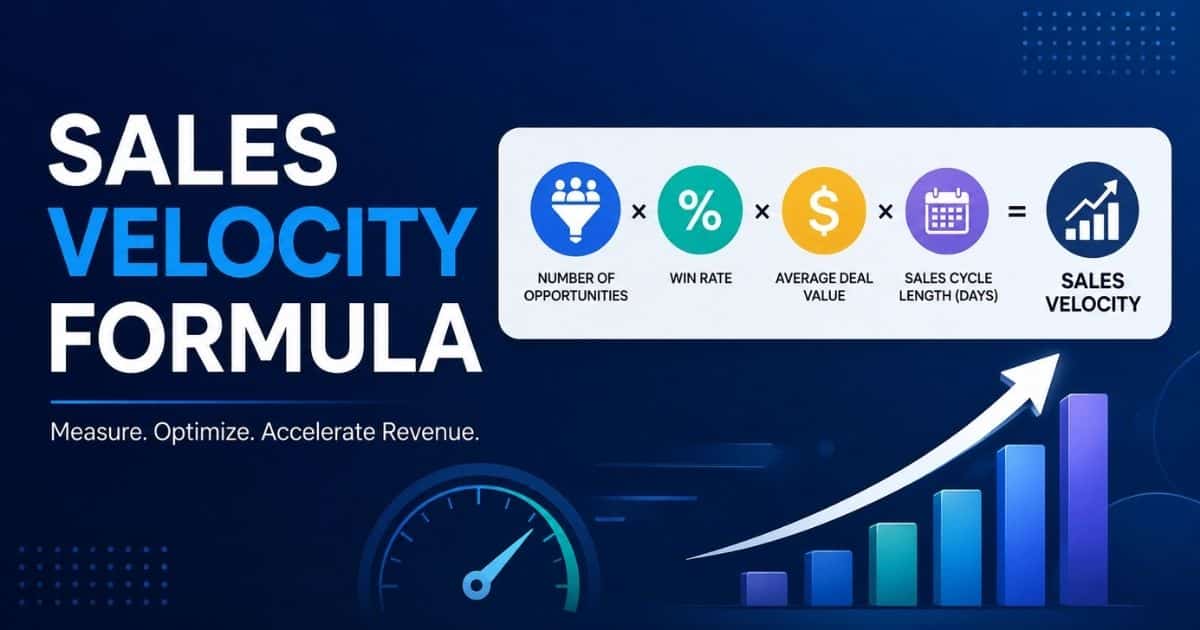
Sales velocity measures how quickly deals move through the sales pipeline. It combines average deal size, win rate, sales cycle length, and number of active deals. Faster sales velocity usually means healthier pipeline management and stronger sales operations.
HubSpot reports that companies with shorter sales cycles often generate higher revenue growth and better pipeline efficiency. Sales managers track this metric to identify delays in deal flow and pipeline stage movement. Faster deal progression also improves sales quota achievement and future revenue planning.
Pipeline Coverage Ratio
Pipeline coverage ratio compares the value of active deals against revenue targets. Most sales teams aim for at least 3x pipeline coverage to maintain predictable sales forecasting. Weak coverage can signal low lead generation or poor pipeline management practices.
Sales pipeline management software helps teams monitor deal flow and customer data in real time. Guides on CRM for startups and small sales teams show how even lean organizations can use coverage data to stay ahead of targets. Businesses with healthy pipeline coverage usually have stronger sales performance and better forecast accuracy. Sales leaders also use this metric to plan hiring, marketing campaigns, and sales strategy adjustments.
Win Rate
Win rate measures how many deals become closed deals compared to total opportunities. A low win rate often points to weak lead qualification, poor sales calls, or mismatched customer targeting. This metric directly affects sales goals and revenue growth.
Recent industry data shows the average B2B sales win rate sits around 21%. Top sales teams often exceed 30% through better customer relationship management and pipeline management practices. Sales reps can improve win rate by focusing on buyer needs, personalized outreach, and stronger follow-up strategies.
Average Sales Cycle Length
Sales cycle length tracks how long it takes to close a deal after initial contact. Long sales cycles can slow cash flow and reduce pipeline efficiency. Sales managers use this metric to identify delays in the buyer's journey and improve sales stages.
Gartner research shows complex B2B deals now involve more stakeholders than ever before, which increases sales cycle length. Applying structured long sales cycle strategies and metrics alongside better lead scoring, sales automation, and customer relationship management tools helps reduce unnecessary delays. Shorter cycles often lead to stronger pipeline health and higher conversion rates.
Deal Risk Management Strategies For Better Deal Visibility
Deal risks can slow revenue growth and weaken sales forecasting. Without proper visibility, sales teams may focus on deals that never close. Strong deal risk management helps businesses identify warning signs early, improve pipeline health, and protect future revenue from unexpected losses.
Early Risk Detection
Early risk detection helps sales teams avoid wasted time and lost revenue. Delayed replies, missed meetings, and low buyer engagement often signal trouble inside the sales pipeline. Sales reps need clear visibility into deal activity before problems grow.
Modern sales pipeline management software tracks sales activities, email engagement, and pipeline stage movement in real time. Gartner reports that companies using predictive sales analytics improve forecast accuracy by up to 20%. Early alerts also help sales managers focus on active deals with stronger close potential.
Clear Lead Qualification
Weak lead qualification creates unnecessary deal risks. Prospects without budget, urgency, or decision-making authority often stay too long in the sales funnel. This affects sales velocity, conversion rates, and pipeline forecasting accuracy.
Sales teams use lead scoring and customer relationship management tools to qualify prospects more effectively. Implementing a structured lead scoring model for high-conversion funnels improves deal flow and supports stronger sales performance. HubSpot data shows businesses with structured lead qualification generate nearly 50% more sales-ready leads compared to teams without a defined process.
Consistent Pipeline Reviews
Regular pipeline reviews improve deal visibility across the entire sales process. Sales managers can quickly identify stalled opportunities, inactive prospects, and weak sales activities. This helps teams protect pipeline health and maintain realistic sales forecasting.
Many sales leaders now rely on weekly pipeline reviews to improve accountability. Salesforce research shows that high-performing sales teams are more likely to track pipeline metrics consistently. Clear reviews also help sales reps adjust follow-ups, sales strategy, and outreach before deals become inactive.
Stronger Buyer Engagement
Low buyer engagement is one of the biggest signs of deal risk. Prospects who avoid meetings, delay feedback, or stop communication rarely become closed deals. Sales teams need consistent communication throughout the buyer's journey.
Personalized sales calls, targeted follow-ups, and relevant content improve customer relationship building. Research from LinkedIn shows buyers respond better to sales reps who provide value instead of generic pitches. Strong engagement also improves sales win rate and conversion rates between stages.
Data Driven Forecasting
Accurate sales forecasting depends on clean pipeline data and reliable deal tracking. Sales leaders need visibility into active deals, average deal size, and sales cycle length to reduce forecasting errors. Poor data often leads to missed revenue targets.
Sales pipeline management tools now use AI and automation to analyze deal stage movement and pipeline metrics. As part of this, many teams adopt structured sales forecasting methods for accurate revenue planning and invest in CRM adoption to transform modern sales teams. Recent studies show businesses using AI-based forecasting improve revenue prediction accuracy by more than 30%. Better forecasting helps sales operations make smarter decisions and reduce pipeline uncertainty.
Pipeline Forecasting Methods For Accurate Revenue Planning
Revenue planning becomes difficult without accurate pipeline forecasting. Sales teams need reliable data to predict future revenue, manage sales targets, and improve decision-making. Strong forecasting methods help businesses reduce uncertainty, improve pipeline health, and maintain better control over sales performance.
Historical Sales Analysis
Historical sales analysis uses past sales data to predict future revenue trends. Sales leaders review closed deals, average deal size, sales cycle length, and conversion rates to estimate future pipeline performance. This method works well for businesses with stable sales patterns.
Many sales pipeline management tools now automate historical forecasting with AI support. According to Salesforce, companies that use data-driven forecasting improve forecast accuracy by nearly 42%. Historical analysis also helps sales managers identify seasonal trends and improve long-term sales strategy planning.
Stage-Based Forecasting
Stage-based forecasting estimates revenue based on deal position inside the sales pipeline. Each pipeline stage receives a probability score based on past conversion rates. Deals closer to the final stage usually receive higher forecast values.
This method improves visibility across the entire sales process and supports better pipeline management. Sales teams can quickly identify weak spots in deal flow and sales funnel stages. HubSpot research shows businesses with structured pipeline stages achieve more predictable revenue forecasting and stronger sales operations performance.
Sales Velocity Forecasting
Sales velocity forecasting focuses on how quickly deals move through the sales cycle. This method combines active deals, win rate, average deal size, and sales cycle length to predict future revenue. Faster sales velocity often signals healthier pipeline performance.
Sales managers use this forecasting model to monitor pipeline efficiency and identify delays in deal progression. Teams that pair sales velocity monitoring with CRM tools that improve sales productivity often outperform slower competitors in revenue growth. Better sales velocity also supports faster decision-making and more accurate sales forecasting.
AI-Based Forecasting
AI-based forecasting uses machine learning and predictive analytics to improve revenue predictions. Modern sales pipeline management software analyzes customer data, buyer behavior, and sales activities in real time. This helps sales leaders identify deal risks earlier and improve forecast accuracy.
Gartner reports that AI-driven sales forecasting can reduce prediction errors by more than 30%. AI tools also help sales reps prioritize qualified leads and active deals more effectively. Better automation improves pipeline visibility and supports stronger revenue planning across sales operations.
Pipeline Coverage Forecasting
Pipeline coverage forecasting compares total pipeline value against revenue targets. Sales teams often aim for pipeline coverage between three to five times their sales quota. Low coverage usually signals weak lead generation or poor pipeline health.
Customer relationship management platforms help sales managers monitor coverage ratios in real time. Strong coverage improves confidence in sales forecasting and future revenue planning. Businesses with healthy pipeline coverage often maintain steadier deal flow, stronger sales performance, and more consistent revenue growth.
How To Improve Sales Win Rate Across Every Pipeline Stage
Sales win rate has a direct impact on revenue growth and pipeline performance. A low win rate often points to weak lead qualification, poor follow-ups, or gaps in the sales process. Applying targeted sales win rate strategies for B2B growth alongside strong sales pipeline management helps teams close more deals at every pipeline stage.
Focus On Qualified Leads
Qualified leads give sales reps a better chance of closing deals. Weak lead qualification fills the sales pipeline with prospects who lack budget, urgency, or decision-making authority. This lowers conversion rates and wastes valuable sales efforts.
Sales teams that use lead scoring and customer relationship management tools often improve deal quality. Dedicated guides on how CRM helps sales teams manage leads show how centralized data and automation support better qualification. HubSpot reports that companies with strong lead qualification generate 50% more sales-ready leads. Better targeting also improves sales velocity and helps sales managers maintain healthier pipeline metrics.
Improve Sales Follow-Ups
Fast and consistent follow-ups increase buyer engagement across the sales funnel. Prospects often lose interest when sales reps delay responses or fail to maintain communication after initial contact. Strong follow-ups keep active deals moving through the sales pipeline stages.
Research from InsideSales shows responding to leads within five minutes can improve conversion chances by nearly 100 times compared to delayed responses. Sales pipeline management software also helps automate reminders, email tracking, and follow-up schedules for better sales performance.
Personalize Sales Conversations
Generic sales pitches rarely improve sales win rate. Buyers now expect personalized communication based on their goals, challenges, and industry needs. Sales reps who understand the buyer's journey often create stronger customer relationships and higher close rates.
LinkedIn research shows 76% of buyers prefer personalized sales interactions. Sales managers can improve sales strategy by using customer data, sales activities, and pipeline insights to guide conversations. Better personalization also increases trust during critical sales stages and negotiations.
Track Pipeline Metrics Closely
Pipeline metrics help sales leaders identify where deals fail inside the sales process. Metrics like sales velocity, conversion rates between stages, and sales cycle length reveal weaknesses that affect win rate. Clear visibility helps teams adjust faster.
Sales pipeline management tools now provide real-time reporting for active deals and sales forecasting. Businesses that regularly monitor pipeline health often improve revenue planning and sales quota performance. Better data also helps identify winning behaviors from top-performing sales reps.
Strengthen Team Coaching
Sales coaching plays a major role in pipeline management and sales success. Sales managers who review calls, deal stage activity, and sales performance regularly help teams improve faster. Strong coaching builds confidence and sharper sales skills.
According to Salesforce, high-performing sales teams are nearly twice as likely to provide ongoing coaching and feedback. Coaching also improves pipeline management practices and helps sales reps handle objections more effectively. Better guidance often leads to stronger win rates and more closed deals.
Long Sales Cycle Challenges And How To Reduce Delays
A long sales cycle can slow revenue growth and create pressure across the entire sales pipeline. Delayed decisions often reduce sales velocity, weaken forecasting accuracy, and affect pipeline health. Strong sales pipeline management helps teams remove bottlenecks and close deals faster.
Weak Lead Qualification
Poor lead qualification is one of the biggest reasons behind a long sales cycle. Sales reps often spend too much time on prospects who lack budget, urgency, or buying authority. This slows deal flow and reduces overall sales performance.
Sales teams that use lead scoring and customer relationship management tools usually identify qualified leads faster, especially when they rely on a simpler sales workflow inside their CRM. HubSpot research shows businesses with strong lead qualification generate higher conversion rates and shorter sales cycles. Better qualification also improves sales forecasting and pipeline management practices across the sales process.
Slow Buyer Decisions
Modern buying decisions often involve multiple stakeholders. B2B buyers now take longer to approve purchases because teams review budgets, risks, and vendor options carefully. This delay affects active deals and future revenue planning.
Gartner reports that most B2B buying groups now include six to ten decision makers. Sales reps need clear communication and personalized sales strategy to maintain momentum during the buyer's journey. Faster responses, clearer proposals, and stronger follow-ups help reduce delays across sales pipeline stages.
Poor Follow-Up Processes
Missed follow-ups can quickly slow the sales funnel. Prospects often lose interest when sales teams fail to maintain regular communication after sales calls or demos. Weak follow-up systems create inactive deals and lower sales win rate.
Sales pipeline management software helps automate reminders, email tracking, and sales activities. Dedicated tools that automate sales tasks to stay organized ensure these workflows run consistently. According to InsideSales, nearly half of buyers choose the vendor that responds first. Better follow-up timing improves customer relationship building and keeps deals moving through each pipeline stage more efficiently.
Complex Approval Processes
Large deals often require approvals from finance teams, legal departments, and senior executives. Complex approval structures increase sales cycle length and create uncertainty inside the sales pipeline. Sales managers must track these delays closely.
Clear deal stage visibility helps sales leaders identify stalled approvals earlier. Sales operations teams also use pipeline metrics and sales data to monitor bottlenecks. Better collaboration between departments improves sales velocity and reduces unnecessary delays before a closed deal.
Limited Pipeline Visibility
Poor pipeline visibility makes it difficult to identify where deals slow down. Without accurate sales data, sales managers struggle to monitor active deals, pipeline health, and conversion rates between stages. This often leads to forecasting errors and missed sales targets.
Modern sales pipeline management tools provide real-time reporting and deal tracking. Salesforce research shows high-performing sales teams are more likely to rely on data-driven pipeline management. Better visibility helps sales leaders improve sales strategy, identify winning behaviors, and shorten long sales cycles.
Best CRM Features For Sales Pipeline Management
A CRM system plays a major role in modern sales pipeline management. Without the right features, sales teams struggle with lead tracking, forecasting, and deal visibility. A dedicated CRM software platform for modern sales teams helps businesses improve pipeline health, sales performance, and revenue growth.
Pipeline Visualization
A visual sales pipeline helps sales teams track active deals across every pipeline stage. Sales reps can quickly see deal progress, stalled opportunities, and upcoming sales activities without searching through spreadsheets or scattered customer data.
Modern CRM platforms use drag-and-drop dashboards to simplify pipeline management, often through visual sales pipeline software to manage deals. Dedicated CRM tools that keep retail sales teams organized show how this visual approach improves day-to-day execution. Salesforce research shows sales teams using visual pipeline tools improve productivity and forecast accuracy significantly. Better pipeline visibility also helps sales managers monitor conversion rates, sales velocity, and overall sales performance more effectively.
Lead Tracking And Scoring
Lead tracking helps sales reps monitor prospect behavior throughout the buyer's journey. A dedicated B2B sales CRM for revenue teams with strong CRM email integration to streamline communication collects customer data from emails, website visits, sales calls, and marketing campaigns. This improves lead qualification and helps teams focus on qualified leads.
Lead scoring features rank prospects based on buying intent and engagement levels, and a sales automation CRM can operationalize this at scale. HubSpot reports businesses that use lead scoring generate better conversion rates and stronger deal flow. Accurate lead tracking also improves sales forecasting and pipeline management practices across the sales process.
Sales Automation Tools
Sales automation reduces repetitive tasks inside the sales pipeline. Dedicated sales automation software and broader sales task automation tools to boost productivity automate follow-ups, meeting reminders, email sequences, and task assignments. This helps sales teams spend more time on customer relationships and less time on manual work.
Research from McKinsey shows sales automation can improve productivity by up to 15%. Applying structured sales workflow automation strategies also improves pipeline health by reducing delays between sales stages. Faster responses help sales reps maintain stronger buyer engagement and improve sales win rate across active deals.
Forecasting And Reporting
Strong forecasting tools help sales leaders predict future revenue with better accuracy. CRM reporting features track key metrics like sales cycle length, average deal size, pipeline coverage, and conversion rates between stages. Real-time sales data improves decision making.
Modern sales pipeline management software also uses AI to analyze sales trends and deal risks. Gartner reports AI-based forecasting tools can reduce forecast errors by over 30%. Better reporting helps sales managers identify bottlenecks and improve sales strategy planning.
Team Collaboration Features
Sales pipeline management works better when teams share information easily. Sales collaboration CRM features allow sales reps, sales managers, and marketing teams to access the same customer relationship data in real time. This improves communication across the entire sales process.
Shared notes, activity timelines, and internal updates help sales operations move faster. Businesses with stronger team collaboration often close more deals and improve customer success outcomes. Better alignment also supports smoother lead generation, stronger follow-ups, and healthier pipeline management overall.
Sales Pipeline Management Mistakes That Hurt Conversions
Many sales teams lose deals because of poor pipeline management habits. Small mistakes inside the sales process often lead to weak conversion rates, inaccurate forecasting, and lower sales performance. Strong sales pipeline management helps businesses avoid these problems and maintain steady revenue growth.
Poor Lead Qualification
Weak lead qualification fills the sales pipeline with low-value prospects. Sales reps waste time on leads that lack budget, urgency, or decision-making authority. This slows sales velocity and reduces overall sales win rate.
HubSpot research shows poor lead qualification remains one of the biggest causes of lost revenue opportunities. Sales teams that use lead scoring and customer relationship management tools usually improve conversion rates faster. Better qualification also helps sales managers maintain healthier pipeline metrics and stronger deal flow.
Inconsistent Follow Ups
Delayed follow-ups hurt customer engagement across the sales funnel. Potential customers often lose interest when sales reps fail to respond quickly after initial contact or sales calls. Weak communication creates inactive deals and longer sales cycle length.
InsideSales reports that fast follow-ups significantly improve the chance of converting leads into closed deals. Sales pipeline management software helps automate reminders and sales activities to maintain consistent outreach. Better follow-up timing also improves customer relationship building and pipeline health.
Outdated Pipeline Data
Outdated sales data creates major problems for sales forecasting and revenue planning. Sales leaders cannot make accurate decisions when deal stage updates are missing or incomplete. Poor visibility also affects conversion rates between stages and sales targets.
Modern CRM systems help sales teams track active deals and customer data in real time. Businesses that maintain clean pipeline data often improve sales performance and forecast accuracy. Accurate reporting also helps identify winning behaviors and improve pipeline management practices across the entire sales process.
Undefined Sales Stages
Unclear sales pipeline stages create confusion for sales reps and sales managers. Team members may follow different sales strategies or move deals without proper qualification. Implementing custom sales stages tailored to each team reduces this confusion, strengthens pipeline visibility, and improves forecasting accuracy.
Defined sales stages help teams manage sales pipelines more effectively. Salesforce research shows high performing sales teams are more likely to follow structured pipeline processes. Clear stages also improve sales velocity, lead tracking, and customer relationship management across the buyer's journey.
Lack Of Pipeline Reviews
Sales pipelines need regular reviews to stay healthy. Without pipeline reviews, sales managers may miss stalled opportunities, weak sales activities, and deal risks. Problems often grow larger before teams notice them.
Weekly pipeline reviews improve accountability and strengthen sales operations. Many teams pair these reviews with dedicated sales pipeline software so sales leaders can track key metrics like conversion rates, active deals, average deal size, and sales quota progress more accurately. Strong review habits also help teams improve future revenue forecasting and close more deals consistently.
Automation Tactics That Improve Pipeline Efficiency
Automation helps sales teams reduce manual work and improve pipeline management across every sales stage. Without automation, sales reps spend too much time on repetitive tasks instead of closing deals. A well-implemented sales automation CRM, supported by focused guides on automating sales tasks to stay organized, and strong automation tactics improve sales velocity, pipeline health, and overall sales performance.
Automated Lead Assignment
Fast lead assignment improves response time and pipeline efficiency. CRM systems can automatically route qualified leads to the right sales reps based on location, industry, or deal size. This removes delays after initial contact and improves customer engagement.
HubSpot reports that businesses responding to leads faster often achieve higher conversion rates. Automated lead assignment also helps sales managers balance workloads across the sales team. Better distribution improves sales activities and keeps active deals moving smoothly through the sales pipeline.
Automated Follow Ups
Consistent follow-ups play a major role in sales pipeline management. Automation tools can send reminder emails, meeting notifications, and follow-up tasks without manual effort. This helps sales reps maintain regular communication with potential customers throughout the buyer's journey.
Research from InsideSales shows most sales happen after multiple follow-ups, yet many sales reps stop too early. Automated follow-up systems reduce missed opportunities and improve sales win rate. Better communication also supports stronger customer relationship management and healthier pipeline metrics.
AI-Based Lead Scoring
Lead scoring automation helps sales teams prioritize high-value prospects faster. AI tools analyze customer data, website activity, email engagement, and sales behavior to rank leads based on buying intent. This improves lead qualification and deal visibility.
Gartner reports that AI-powered sales tools continue to improve forecasting accuracy and sales efficiency across modern businesses. Better lead scoring reduces wasted sales efforts and shortens sales cycle length. Sales leaders can also improve revenue planning with more accurate pipeline forecasting and cleaner sales data.
Automated Pipeline Updates
Manual pipeline updates often create outdated sales data and forecasting errors. Automation tools update pipeline stages, deal status, and customer activities in real time. This improves pipeline visibility and supports stronger sales operations.
Sales pipeline management software also helps sales managers track conversion rates, sales velocity, and active deals more accurately. Businesses with automated reporting systems often improve sales forecasting and pipeline health. Real-time updates help sales leaders make faster and more informed business decisions.
Workflow Automation
Workflow automation connects sales pipeline management with marketing automation, customer success, and internal approvals. Sales teams can automate repetitive processes like contract requests, proposal generation, and task assignments, especially when guided by a sales admin tasks automation framework and supported by an AI sales assistant for pipeline efficiency. This reduces delays across the entire sales process.
McKinsey research shows workflow automation improves productivity and operational efficiency across sales organizations. Better workflows also improve collaboration between sales managers, marketing teams, and sales operations departments. Strong automation systems help businesses close more deals while maintaining steady pipeline growth.
How Gain.io Supports Modern Sales Pipeline Management
Gain.io offers smart CRM tools for sales teams to help sales teams manage the entire sales pipeline from one central platform. As an all-in-one CRM to grow your sales and team, sales reps can track deals, organize customer data, automate follow-ups, and monitor pipeline stages without switching between multiple tools. The platform also gives sales managers better visibility into deal flow, pipeline health, and sales activities.
The visual sales pipeline makes it easier to manage active deals and improve sales forecasting. Teams can track sales velocity, monitor conversion rates, and identify deal risks earlier. Gain.io also supports lead tracking, task management, email integration, and workflow automation for stronger pipeline management practices, and real-world results like a sales acceleration case study on closing deals faster illustrate the impact of these features.
Automation and real-time reporting help sales leaders improve sales performance and future revenue planning. Choosing the right CRM matters here, and some teams compare options like Gain.io vs Salesforce CRM to find the best fit. Better pipeline visibility, supported by a clear understanding of what a sales pipeline is and how to build one, helps businesses close more deals, reduce delays, and maintain stronger customer relationships across the entire sales process.
FAQs
What Is The Difference Between A Sales Pipeline And A Sales Funnel?
A sales pipeline focuses on the sales team’s view of active deals and pipeline stages. A sales funnel focuses on the buyer's journey and conversion rates from lead generation to a closed deal. Both support better sales pipeline management and forecasting.
Can Small Businesses Benefit From Sales Pipeline Management?
Yes, small businesses can improve sales performance, lead tracking, and customer relationship management with a structured sales pipeline. Clear pipeline management also helps small sales teams monitor sales goals, active deals, and future revenue more accurately.
How Often Should Sales Teams Review Pipeline Metrics?
Sales managers should review pipeline metrics weekly to monitor sales velocity, conversion rates, pipeline health, and deal flow. Regular reviews help sales leaders identify deal risks earlier and improve sales forecasting accuracy.
Does AI Improve Sales Pipeline Management?
Yes, AI helps sales teams automate lead scoring, forecasting, and sales activities across the entire sales process. Modern CRM platforms use AI to improve pipeline visibility, identify winning behaviors, and reduce forecasting errors.
Which Metrics Matter Most In Sales Pipeline Management?
Critical pipeline metrics include win rate, sales cycle length, average deal size, sales velocity, and conversion rates between stages. Strong sales pipeline management depends on accurate sales data and consistent pipeline health tracking to hit revenue targets.